
Unlocking Private Climate Finance to Deliver Tangible Benefits for Indigenous Communities
Carbon Neutral
DateJune 2025
As expectations around climate change continue to rise, Australia’s carbon offset market is quietly emerging as one of the most effective mechanisms for financing environmental and social restoration. For businesses navigating today’s ESG landscape, supporting carbon projects that deliver meaningful outcomes for Indigenous communities is not just evidence of doing the right thing —it’s quickly becoming part of what investors expect from credible climate action.
Carbon Neutral is a Perth-based environmental project developer leading the change in how nature-based solutions are delivered. Their latest initiative—the Sunnyside Permanent Planting Forest Project—demonstrates how nature-based solutions, when done right, can deliver lasting environmental outcomes and genuine benefits for Traditional Owners while contributing to national emissions reduction goals.
Climate Solutions Grounded in Country
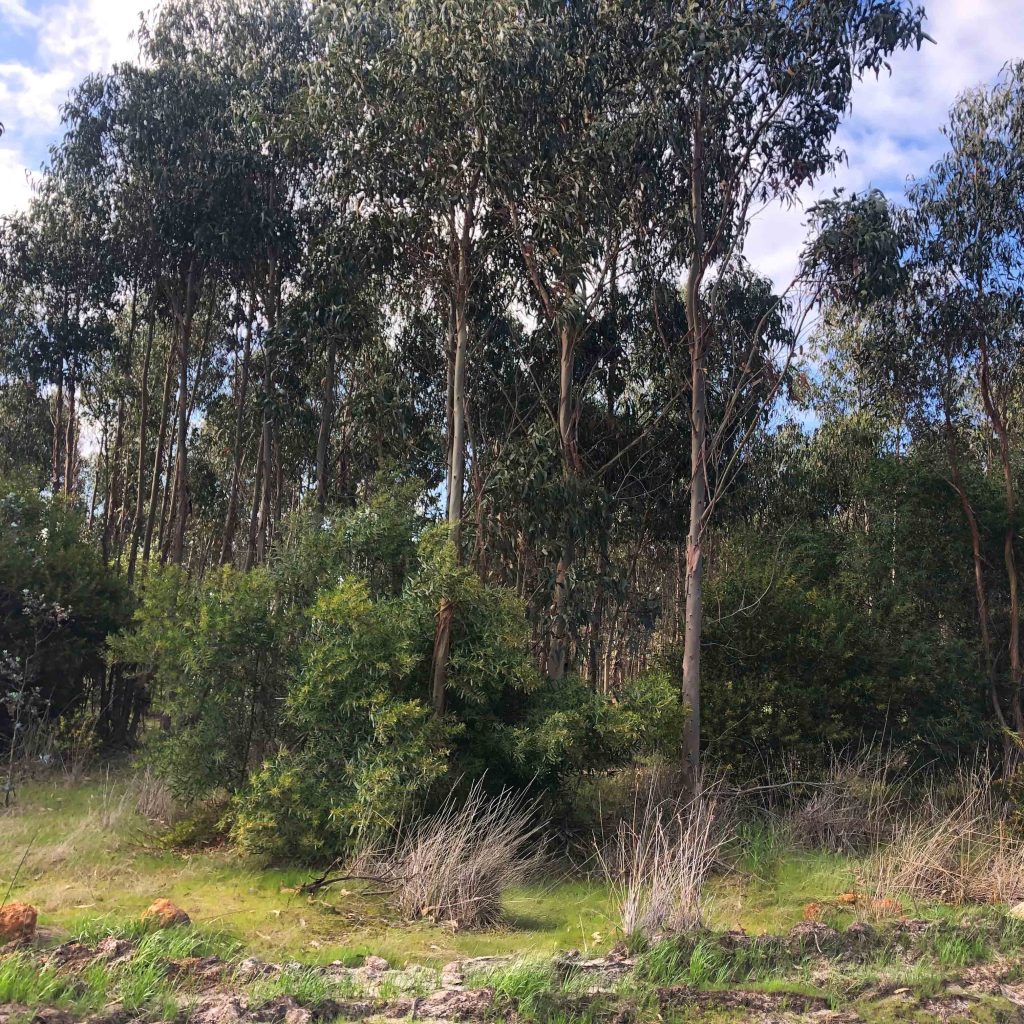
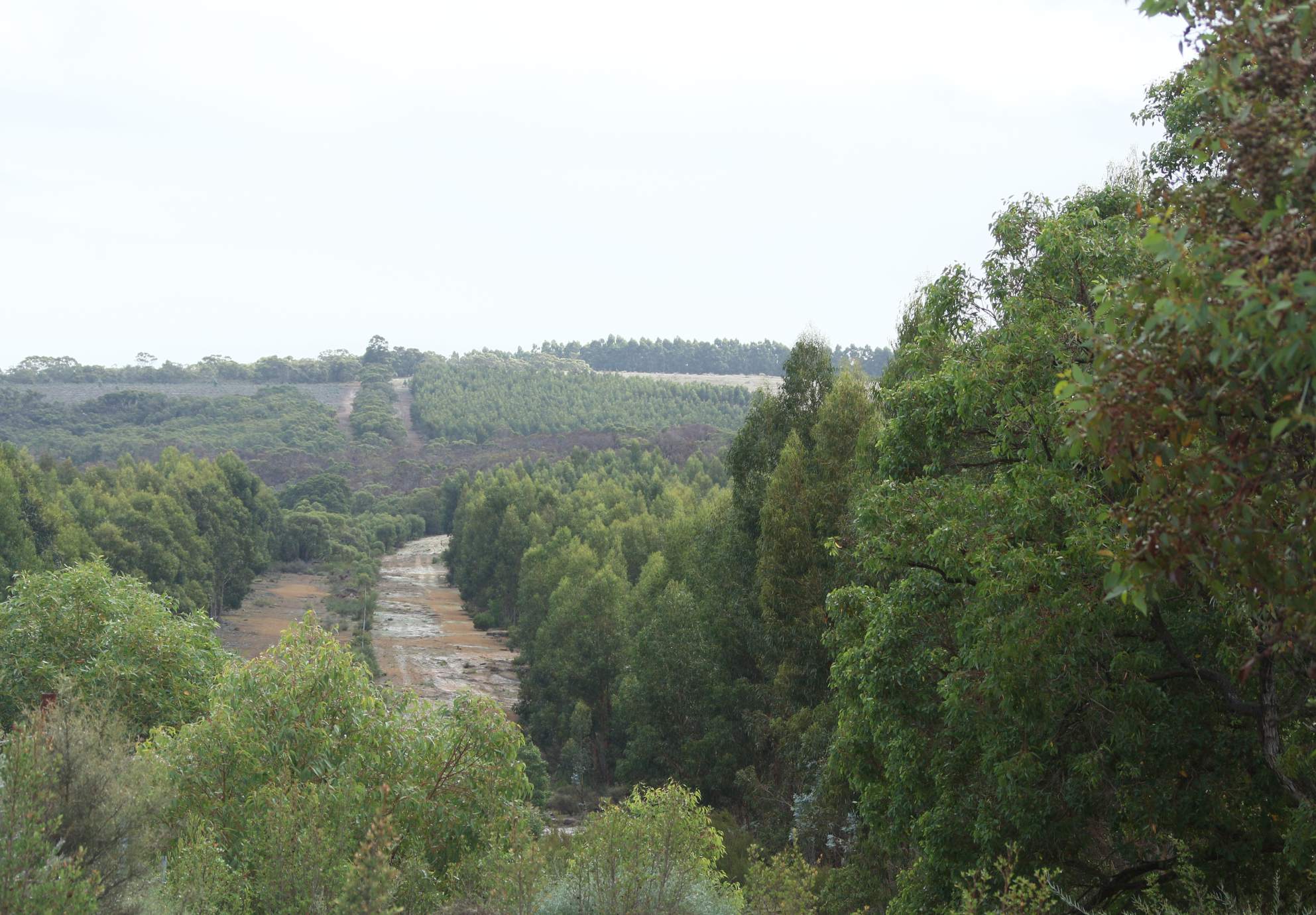
Sunnyside sits within the Southwest Australia Ecoregion—one of 36 recognised global biodiversity hotspots. On the 1550 hectare property, the carbon site is an established Eucalyptus plantation of 560 hectares that was previously destined to be cleared. Now, this forest is permanently protected, locking away carbon and preventing emissions that would have been released through deforestation, and the larger area of important original habitat on the property is also now protected and cared for. The project is registered under the Australian Government’s Clean Energy Regulator, generating verified carbon abatement for the long term.
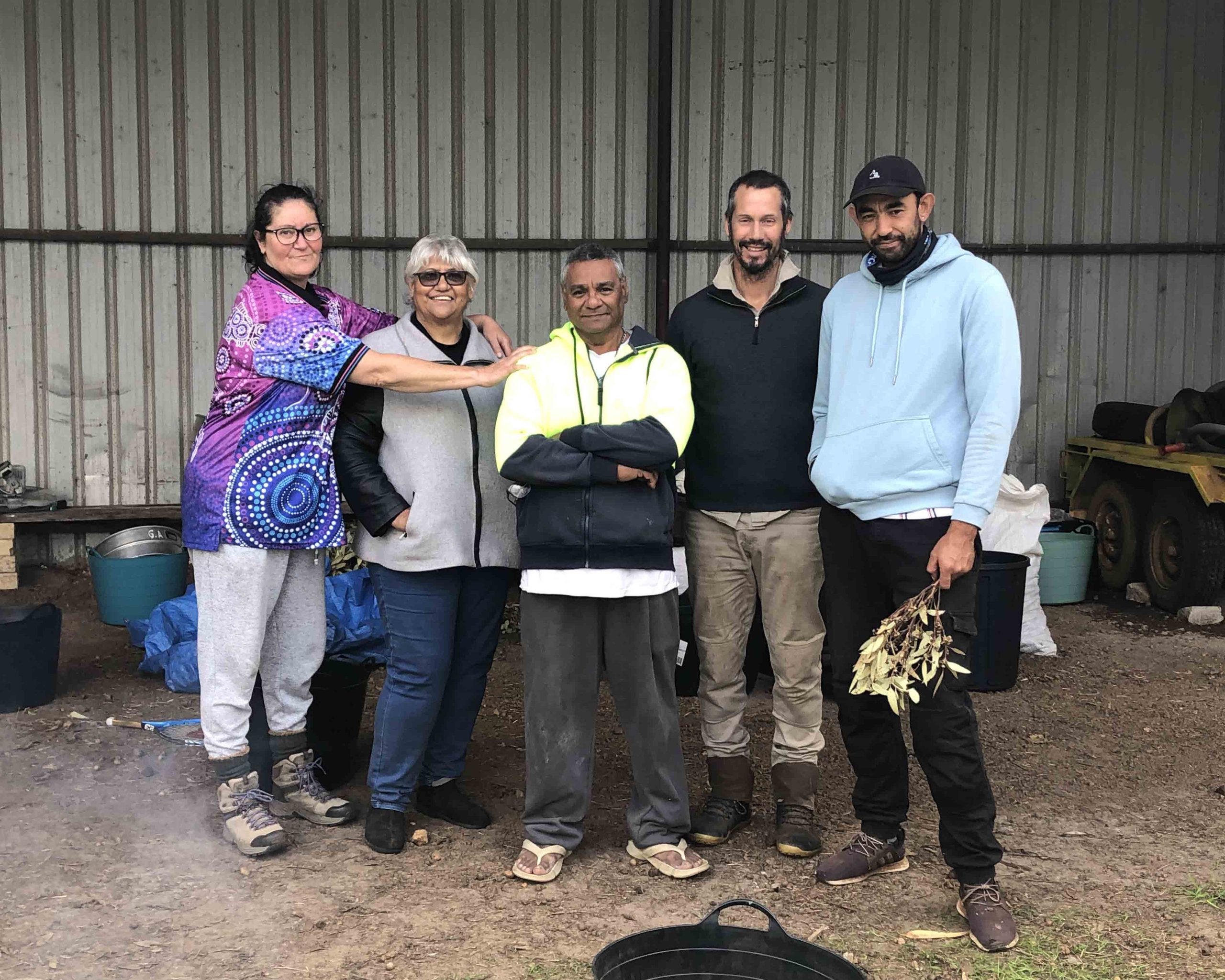
But Sunnyside’s significance goes beyond its climate impact—it’s the project’s approach to Indigenous engagement and the benchmark it sets for future climate finance partnerships that truly stand out. Developed in partnership with Gondwana Link, the project supports the cultural, social, and economic aspirations of a group of Menang-Gnudju people.
The First Nations families have perpetual access to the property, with the carbon project supporting a range of activities including seed collection, bush tucker cultivation, eco-tourism, cultural events, and use of the property’s homestead. These opportunities help renew and strengthen the cultural connection to the Country while also building skills and creating meaningful economic outcomes for their community. This project at Sunnyside strengthens their belief that the way in which their Ancestors farmed and protected the land, environment and nature, created an environment of much greater Health and Wealth during the past 60,000 years than today.
Where Nature and ESG Goals Align
As climate scrutiny intensifies, there’s increasing recognition that offsets must go beyond carbon accounting. Stakeholders—investors, customers, regulators—want to see climate action that is real, responsible, and equitable. Projects like Sunnyside respond to that call.
By purchasing Australian Carbon Credit Units (ACCUs) from nature-based projects like this one, businesses can meet climate targets while supporting broader ESG goals. This project also funds the ongoing conservation management of a further 750 hectares of high conservation value remnant vegetation, with traditional ecological knowledge guiding rehabilitation efforts.
Over its 15-year crediting period, Sunnyside is expected to generate 296,040 tonnes of CO₂-e credits. But its impact runs deeper. Local First Nations people are actively involved in in income-generating and employment opportunities. Activities include seed collection, native tree planting, direct seeding, invasive species control, and biodiverse planting design.
These activities foster biodiversity, help restore threatened ecosystems, such as the nationally listed Kwongkan Shrublands, and strengthen First Nations governance over land management. This model meets the expectations of global investors increasingly looking to allocate capital where environmental and social value intersect.
A Scalable Model for Nature-Positive Investment
As the Australian economy continues its transition to net zero, corporate leadership in nature and climate investment will be measured not only by emissions reduced, but by the ecosystems and communities restored. Projects like Sunnyside signal a shift towards investment in nature that centres First Nations knowledge and rights—not as an afterthought, but as a foundation.
The economic case is strong. With a legally binding 100-year permanence requirement, Sunnyside provides long-term certainty around carbon outcomes—offering the transparency and assurance needed for credible climate disclosures. It also meets growing investor demand for nature-positive opportunities, aligning with six United Nations Sustainable Development Goals (SDGs), including Climate Action, Life on Land, and Reduced Inequalities. Just as importantly, it ensures Traditional Owners have a meaningful stake in the process—not simply as participants, but as co-creators of outcomes that reflect their values and priorities.
A Call to Business
For business leaders seeking credible, high-impact climate action, the opportunity is clear: support projects that restore landscapes, embed cultural knowledge, and generate shared economic value. The future of climate leadership lies in partnerships that regenerate ecosystems, respect cultural heritage, and deliver equitable outcomes for communities.
The carbon market is more than a compliance tool—it’s a lever for transformation. When directed through well-designed, trusted projects, private investment can empower those who have long cared for Country and whose continued custodianship is vital to Australia’s climate and nature future.
Sunnyside is just one project—but it signals a new generation of carbon opportunities. Opportunities that deliver where it matters most: on the ground, in the community, and across the ESG spectrum. For businesses ready to move beyond offsetting and into leadership, the pathway is clear. It begins with Country.
To invest in high-impact nature-based climate action
Explore stories in the world of sustainability, carbon and climate change.
 7 Integrity Considerations When Sourcing Carbon Credits
Not that long ago, buying a carbon credit seemed fairly straightforward, as were the claims you could make once purchasing that credit. But increasing public and journalistic scrutiny around carbon credits…
 Falbala Returns to Eastern Maar: A Milestone in Land Justice and Carbon Farming
Carbon Neutral is proud to be working with Eastern Maar Aboriginal Corporation (EMAC) on a landmark project at Falbala, a 252-hectare property at Beech Forest in the Otways. On 3…
 The market’s rediscovery of plantation forestry ACCUs
For most of its early development, plantation forestry ACCUs occupied a niche position in the Australian carbon market. Long crediting timeframes, FullCAM-based accounting and permanence obligations stretching to 100 years made them slower…
 From football to footprint: the carbon cost of the 2026 World Cup
Businesses have had to answer for their emissions and take real steps to offset them since 2013, when the UK became the first country in the world to make carbon reporting mandatory for its largest…
 Unpacking Australia’s Biodiversity Claims vs Reality
Australia recently submitted its Seventh National Report to the Convention on Biological Diversity, its first under the Kunming-Montreal Global Biodiversity Framework (GBF). At first glance the report suggests that we’re a nation “on…
 Carbon Neutral launches Australia’s largest environmental planting carbon project.
Great Woodlands Renewal project to restore 28,000 hectares and establish 16 million trees adjoining one of the world’s largest remaining temperate woodland ecosystems. Carbon Neutral has unveiled plans for what…
 Carbon Neutral Announces New Chief Commercial Officer
Carbon Neutral is thrilled to announce the appointment of Su-Mei Sain as the organisation’s Chief Commercial Officer. Since joining the company last year as Head of Investment Opportunities, Su-Mei has played a key role in progressing the organisation’s commercial…
 Rethinking Australia’s Natural Wealth Through Carbon
Australia is a land of plenty. “Our land abounds in nature’s gifts of beauty, rich and rare,” as the national anthem tells us. But as a nation, we’ve struggled to properly value those gifts, let alone keep…