
Carbon Neutral launches Australia’s largest environmental planting carbon project.
Carbon Neutral
DateMay 2026
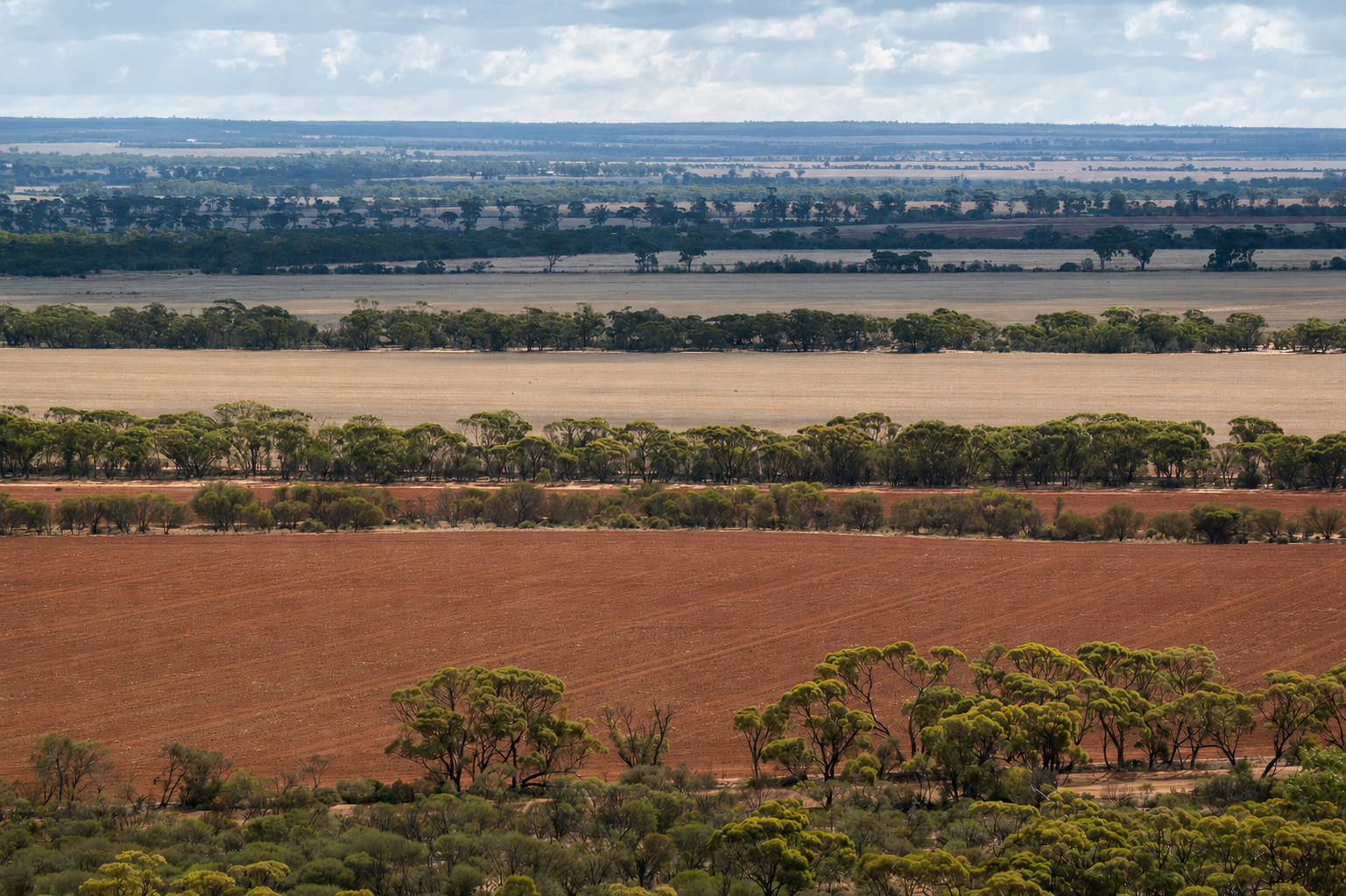
Great Woodlands Renewal project to restore 28,000 hectares and establish 16 million trees adjoining one of the world’s largest remaining temperate woodland ecosystems.
Carbon Neutral has unveiled plans for what is set to become Australia’s largest environmental planting carbon project, marking a significant expansion of large-scale ecosystem restoration. This is occurring as demand accelerates for high-integrity CO2 removal Australian Carbon Credit Units (ACCUs).
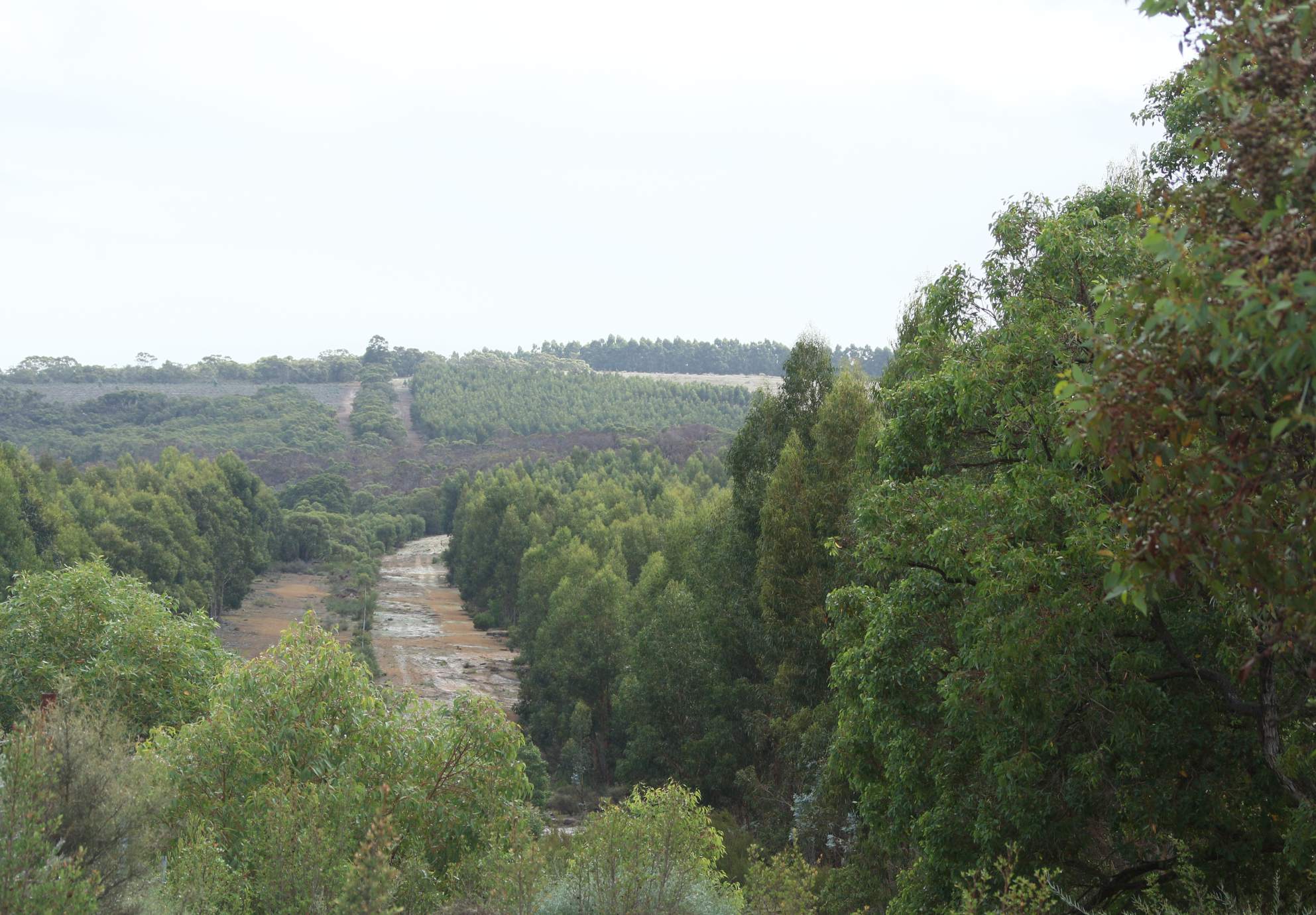
The Great Woodlands Renewal project, adjoining Western Australia’s globally significant Great Western Woodlands region, will restore more than 28,000 hectares of previously cleared land through large-scale revegetation and ecosystem restoration, ultimately establishing an estimated 16 million native trees and supporting broader native understory and habitat vegetation over coming years. The project is also expected to support long-term protection and management of approximately 6,000 hectares of remnant woodland and other ecologically significant habitat across the broader project area.
The restoration effort will support biodiversity recovery while helping address long-term landscape challenges associated with altered water cycles and dryland salinity across adjoining wheatbelt regions.
The scale of restoration is expected to make the project Australia’s largest environmental planting carbon initiative.
Carbon Neutral is leading development of the project in collaboration with its core partners Tiverton Global and Gondwana Link Ltd. The project further expands a longstanding relationship between Carbon Neutral and Gondwana Link focused on large-scale ecosystem restoration and biodiversity recovery across Western Australia’s south-west.
The project is expected to generate approximately 3.2 million ACCUs over its lifetime. This will add to a tightening domestic supply pipeline at a time when Australia’s carbon market is increasingly focused on the availability of high-integrity environmental planting ACCUs underpinned by a 100-year permanence period.
The announcement comes amid growing scrutiny over future ACCU supply and mounting corporate demand for environmental plantings capable of delivering both carbon removal and biodiversity outcomes. Analysts and market participants have increasingly warned that premium environmental ACCUs may become constrained as safeguard obligations tighten and large-scale restoration projects remain difficult to originate and finance.
Carbon Neutral Chief Executive Dr Phillip Ireland said the project represented a new phase in the scale and maturity of Australia’s environmental planting sector.
“This is not simply a carbon project – it is landscape-scale ecosystem restoration designed to deliver climate, biodiversity and long-term social, environmental and regional economic outcomes simultaneously,” Dr Ireland said.
“Projects of this scale are exceptionally rare, yet more important than ever in addressing the climate and biodiversity crises. The Great Woodlands Renewal project reflects the growing demand for high-integrity ACCUs linked to measurable environmental outcomes and long-term ecosystem restoration.”
The Great Western Woodlands span almost 16 million hectares in south-western Australia and are recognised as the world’s largest intact temperate woodland ecosystem, supporting more than 20 per cent of Australia’s plant species and globally significant biodiversity values.
The project comes amid growing concern over biodiversity decline in Western Australia and the limited pace of conservation intervention across the state. Recent findings from the WA Auditor General identified 390 threatened or rare ecological communities, with approximately 72 per cent receiving no active monitoring.
Environmental market participants increasingly view large-scale private restoration initiatives as critical to helping bridge the gap between biodiversity protection ambitions and available public funding.
Gondwana Link Chief Executive Keith Bradby said large-scale restoration increasingly depended on collaboration across regions and communities.
“The scale of restoration required across these landscapes means long-term partnerships between landholders, regional communities and carbon project developers are becoming increasingly critical,” Bradby said.
“Projects of this scale have the potential to support broader regional participation over time as the restoration program builds its workforce and opportunities to support local communities.”
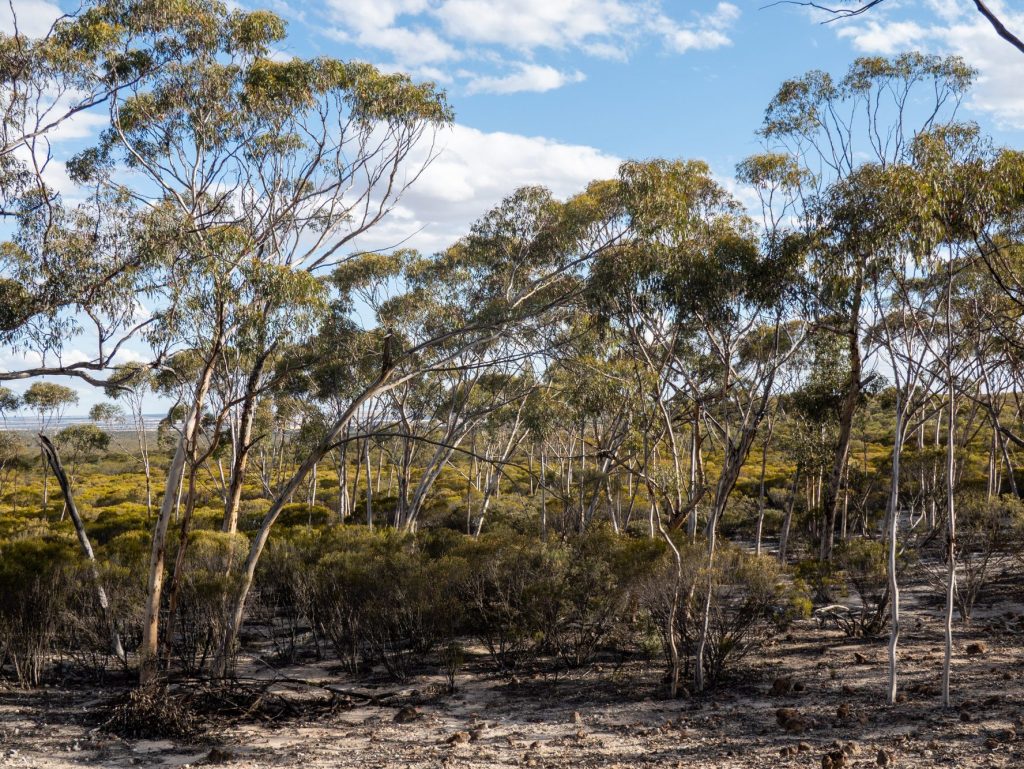
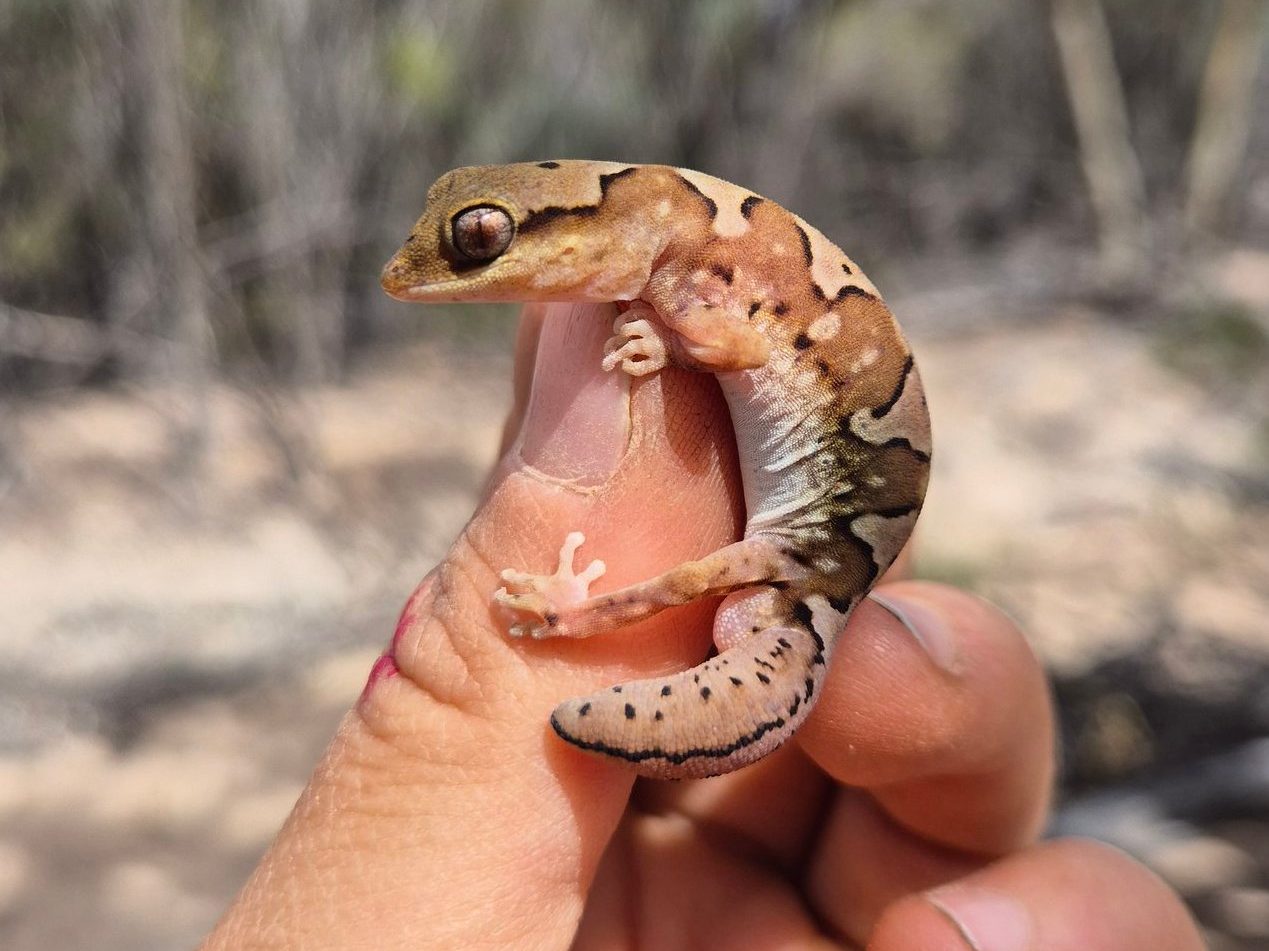
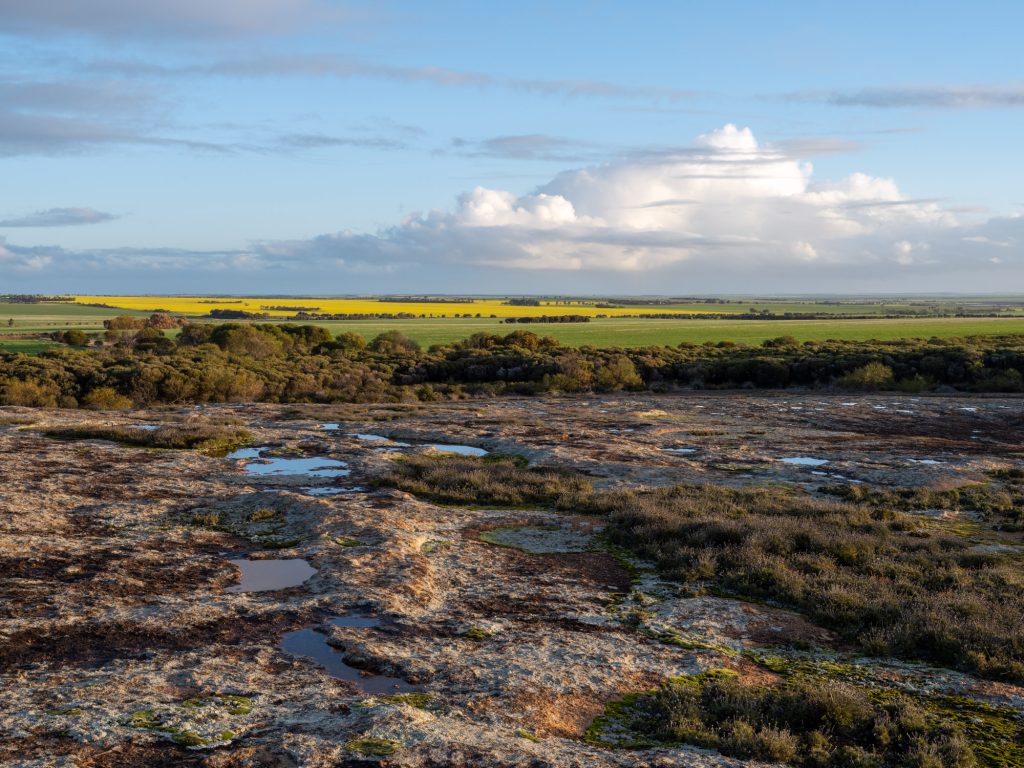
Explore stories in the world of sustainability, carbon and climate change.
 How to Choose Australian Carbon Credits in 2026
If your organisation needs to compensate for unavoidable emissions, choosing an Australian Carbon Credit Unit (ACCU) is an important decision. While all ACCUs are issued under the Australian Government’s ACCU…
 Carbon Neutral Contributes to New Paper on Vietnam’s Forest Carbon Pricing Framework
Vietnam took a significant step this year toward a functioning forest carbon market. In May 2026, the government issued Decree No. 180/2026/NĐ-CP on forest-based carbon sequestration and storage services, followed…
 7 Integrity Considerations When Sourcing Carbon Credits
Not that long ago, buying a carbon credit seemed fairly straightforward, as were the claims you could make once purchasing that credit. But increasing public and journalistic scrutiny around carbon credits…
 Falbala Returns to Eastern Maar: A Milestone in Land Justice and Carbon Farming
Carbon Neutral is proud to be working with Eastern Maar Aboriginal Corporation (EMAC) on a landmark project at Falbala, a 252-hectare property at Beech Forest in the Otways. On 3…
 The market’s rediscovery of plantation forestry ACCUs
For most of its early development, plantation forestry ACCUs occupied a niche position in the Australian carbon market. Long crediting timeframes, FullCAM-based accounting and permanence obligations stretching to 100 years made them slower…
 From football to footprint: the carbon cost of the 2026 World Cup
Businesses have had to answer for their emissions and take real steps to offset them since 2013, when the UK became the first country in the world to make carbon reporting mandatory for its largest…
 Unpacking Australia’s Biodiversity Claims vs Reality
Australia recently submitted its Seventh National Report to the Convention on Biological Diversity, its first under the Kunming-Montreal Global Biodiversity Framework (GBF). At first glance the report suggests that we’re a nation “on…
 Carbon Neutral Announces New Chief Commercial Officer
Carbon Neutral is thrilled to announce the appointment of Su-Mei Sain as the organisation’s Chief Commercial Officer. Since joining the company last year as Head of Investment Opportunities, Su-Mei has played a key role in progressing the organisation’s commercial…