
The market’s rediscovery of plantation forestry ACCUs
Carbon Neutral
DateAugust 2026
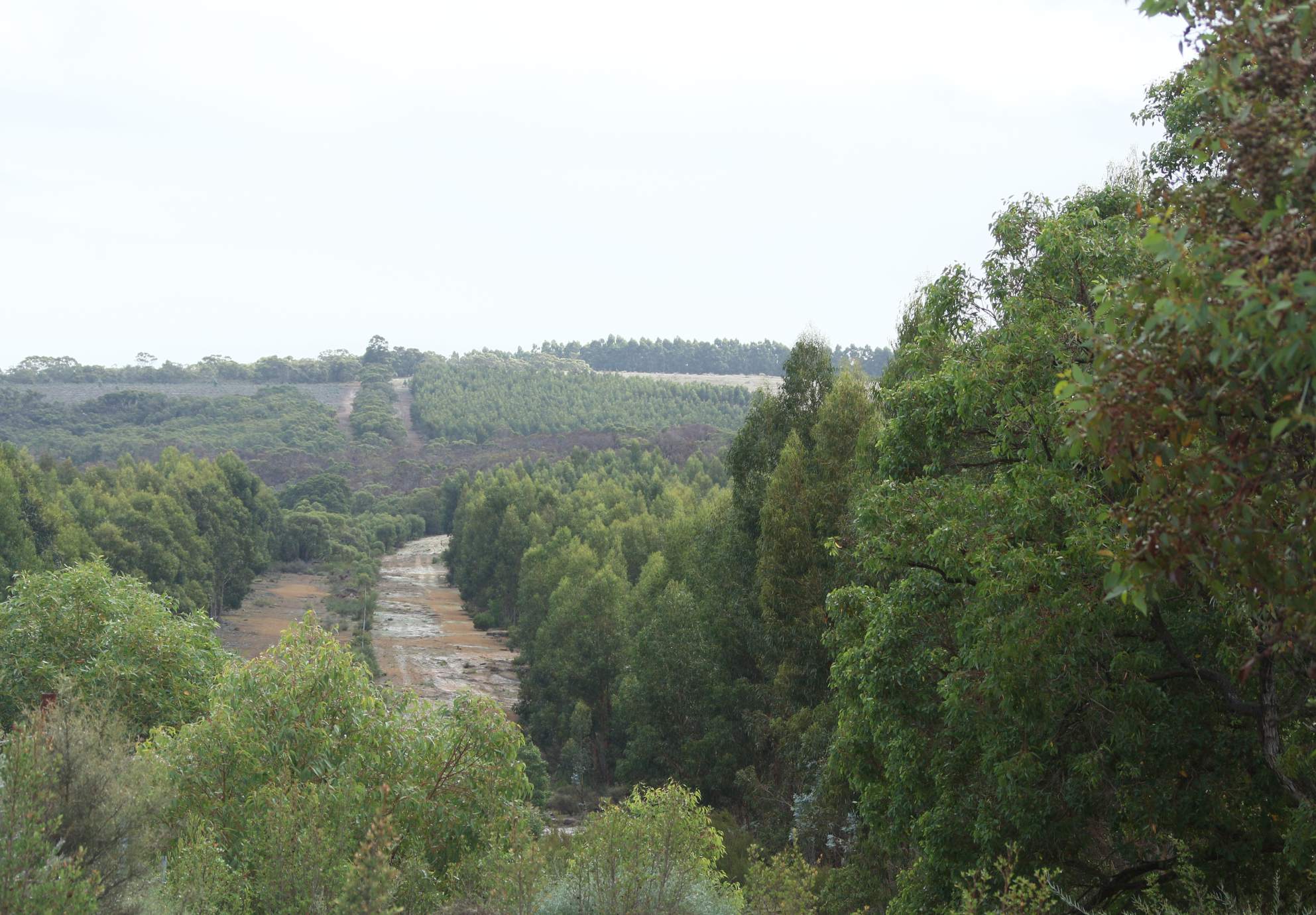
For most of its early development, plantation forestry ACCUs occupied a niche position in the Australian carbon market.
Long crediting timeframes, FullCAM-based accounting and permanence obligations stretching to 100 years made them slower to scale than shorter-cycle methods. In early market conditions, faster-yielding methodologies won out, and plantation forestry was perceived as complex and slow-moving, despite its strong scientific basis and the durability of its carbon storage.
That perception is now being reconsidered – and the numbers are starting to show it.
A market under structural pressure
The ACCU market has moved decisively from voluntary offsetting toward compliance-driven demand under the Safeguard Mechanism. The Clean Energy Regulator’s Quarterly Carbon Market Report for the March quarter 2026 shows that during the 2024-25 compliance year, facilities surrendered 10.8 million ACCUs and 2.6 million SMCs to meet obligations, with holdings falling by 4.2 million units as compliance demand drew down existing inventories. More than 140 facilities exceeded their baselines.
Around 21.7 million ACCUs were issued across 2025 reporting periods, with total holdings reaching 60.7 million by the end of the year. The market is well supplied for now, but the CER is clear that tightening Safeguard baselines will increase structural absorption of credits as the decade progresses. Annual demand may surpass annual supply later this decade, resulting in a draw-down of accumulated holdings. The implication for buyers thinking about long-term compliance exposure is significant: future supply will increasingly depend on land-sector pipelines that are being established now.
The ACCU pricing spread
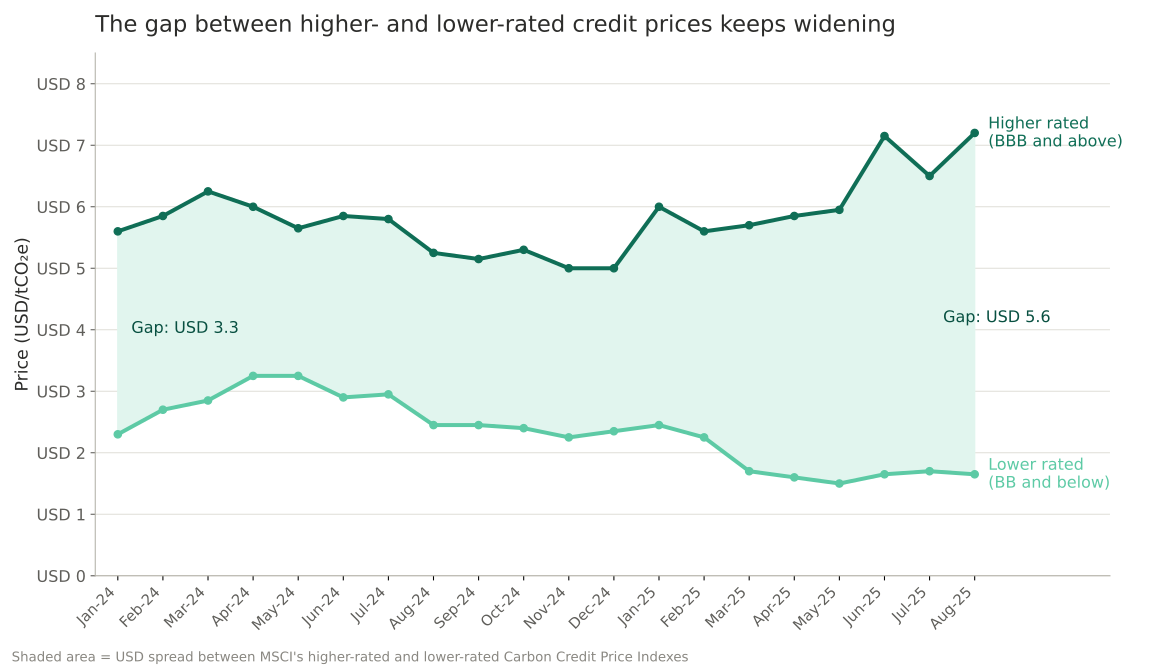
At the same time, buyer priorities have shifted. According to MSCI’s State of Integrity in the Global Carbon-Credit Market (2025), procurement is moving away from volume-based offsetting toward credit integrity, transparency and durability of outcomes. Credits are increasingly evaluated on the quality and reliability of their carbon outcomes, not volume alone.
More broadly, the report found that higher-integrity carbon credits are attracting an increasing price premium, reflecting growing buyer willingness to pay for quality and credibility.
Why plantation forestry ACCU registrations are climbing
The market has noticed. Plantation forestry recorded the biggest increase in ACCU registrations of any method in 2025, reaching 100 new project registrations compared to 66 in 2024. The registered area under the plantation forestry method more than doubled in the same period, rising by over 77,700 hectares compared to approximately 30,300 hectares the year before.
Institutional capital is also moving in meaningfully. In early 2026, the Clean Energy Finance Corporation (CEFC) (an Australian government-owned climate investor) committed A$40 million to an A$81 million plantation forestry project in the Tiwi Islands, projected to generate 5 million ACCUs. It is the CEFC’s first major natural capital forestry investment and a clear signal that government-backed finance now views plantation forestry as a credible long-term play.
In 2024, the Clean Energy Regulator also moved to reduce the compliance burden for smaller, low-risk plantation forestry projects, replacing ongoing scheduled audits with a single initial audit and substituting geospatial monitoring instead. Lower administrative costs improve project viability at the smaller end of the market, broadening the range of landholders who can participate meaningfully in the method.
These signals point to a method that is gaining structural momentum, not just renewed attention.
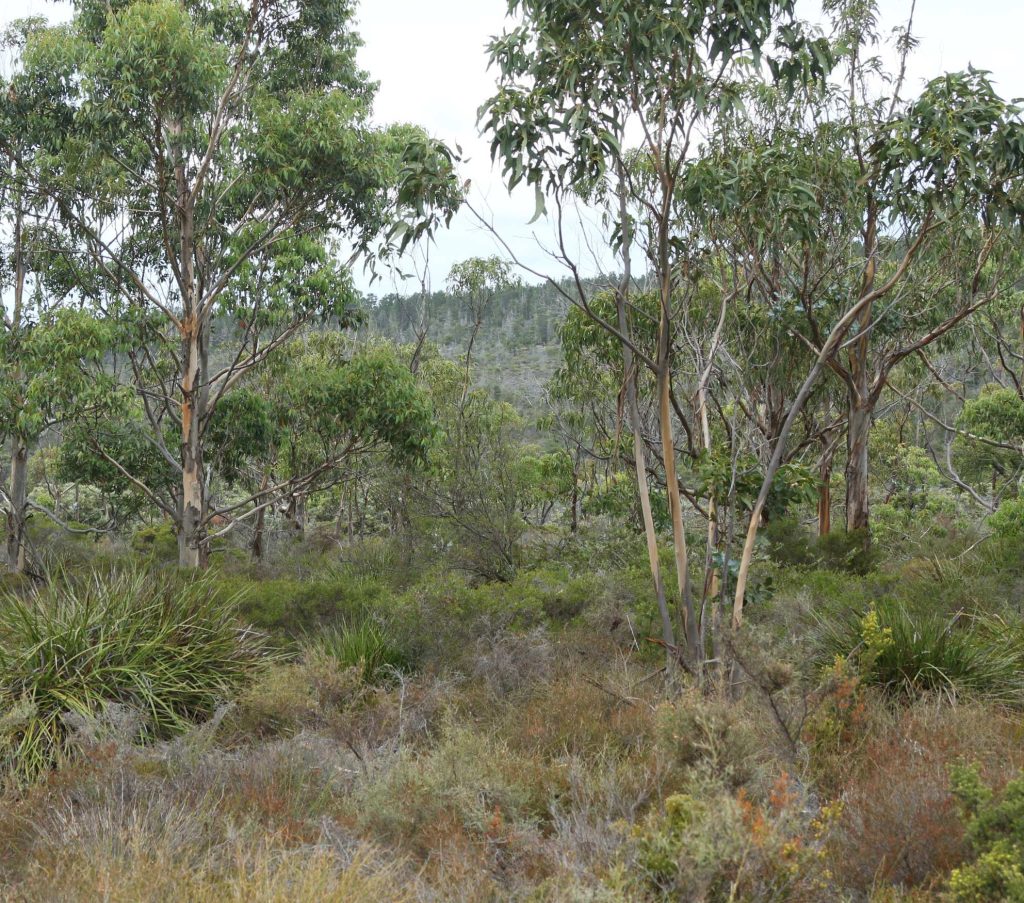
How plantation forestry fits this moment
Against this backdrop, the structural characteristics of plantation forestry align well with what the market now values.
Plantation forestry ACCUs are grounded in quantified carbon storage in biomass and soils, estimated using FullCAM under the ACCU Scheme methodology. That provides an auditable, traceable system for tracking carbon stock changes over time, built on established forestry science and standardised verification requirements. For buyers focused on integrity and transparency, that’s a meaningful alignment with procurement priorities.
The long-duration nature of plantation forestry also addresses something the market historically undervalued: sustained removals across multiple rotations, with long-term accumulation potential that becomes increasingly relevant as compliance demand tightens and accumulated ACCU holdings are drawn down over time.
What defines plantation forestry ACCUs in practice
Plantation forestry ACCUs are issued under a defined set of activities within the ACCU Scheme, introduced in August 2017 and updated in a significant methodology revision in January 2022. The method sets out how carbon is stored, measured and credited in plantation systems using FullCAM-based accounting and long-term permanence obligations extending to 100 years.
The current framework recognises four main categories of eligible activity, known as Schedules:
- Schedule 1: Establishing new plantation forests on eligible land
- Schedule 2: Converting short-rotation plantations to long-rotation systems
- Schedule 3: Transitioning existing plantations into permanent forest cover
- Schedule 4: Registering plantations that would otherwise be at risk of conversion to non-forest land uses
Each category reflects a different pathway for generating additional carbon storage within plantation systems, with project eligibility and accounting rules varying depending on land history and management intent.
The co-benefits of plantation forestry projects
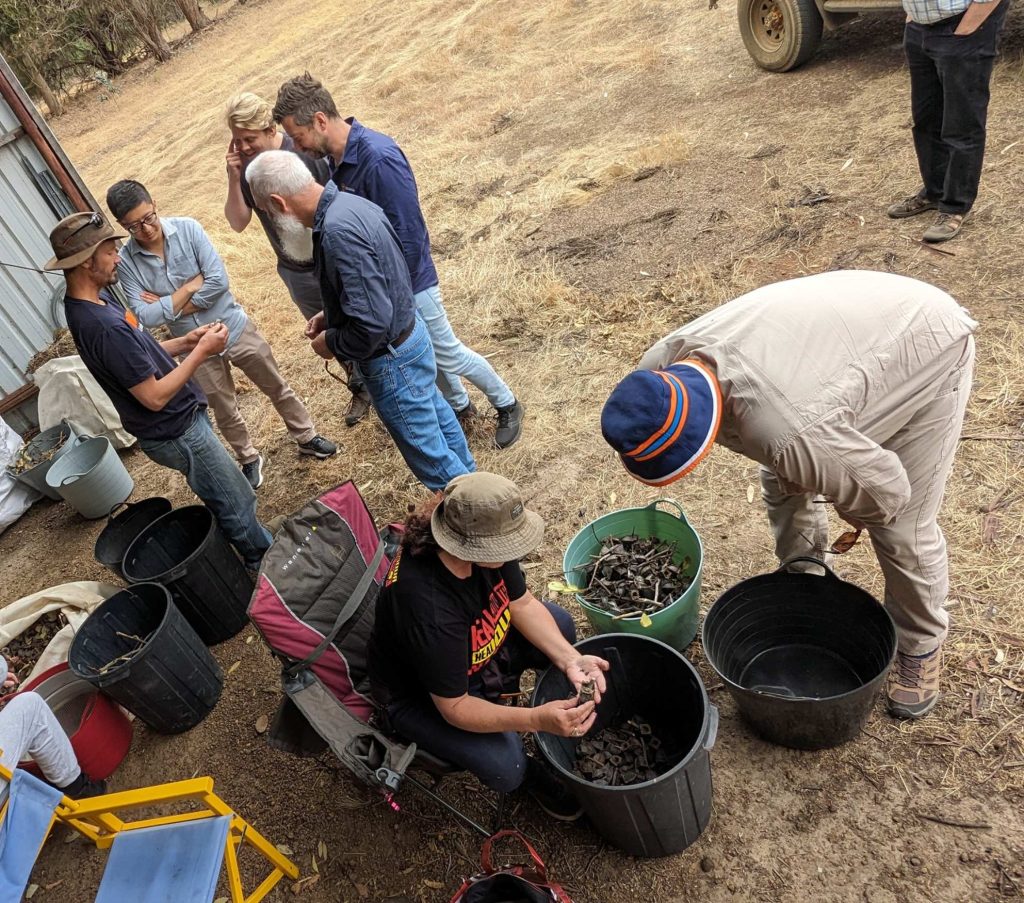
Depending on project design, plantation forestry can deliver outcomes beyond carbon removal. Restoration of vegetation cover on degraded or marginal land, reduced erosion risk, regional employment through nursery propagation, site preparation, maintenance and harvesting roles and broader economic activity in rural areas are all possible co-benefits. There is also growing buyer interest in credits that deliver verifiable environmental and social outcomes alongside carbon, with premium pricing increasingly reflecting that preference.
Two such Carbon Neutral plantation forestry projects – Sunnyside and Warriup – have unique social benefits through Traditional Owner access baked into their design.
It’s worth being clear, though: the ACCU Scheme’s plantation forestry method does not:
- require co-benefits,
- certify biodiversity outcomes, or
- guarantee any environmental result beyond carbon accounting.
These outcomes depend entirely on how individual projects are designed and managed. Not all plantation forestry projects are built the same and that distinction matters more now than ever as the market places increasing weight on integrity.
Where things stand
Renewed interest in plantation forestry ACCUs doesn’t mean indiscriminate uptake, and it shouldn’t. What it does mean is that as compliance demand deepens and buyer scrutiny intensifies, well-designed plantation forestry projects – those built with rigorous accounting, genuine co-benefits and long-term supply in mind – are increasingly well positioned for the market that’s emerging.
Explore our plantation forestry projects below.
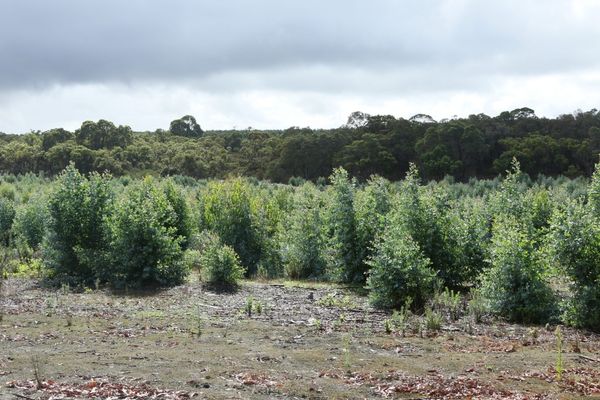
Warriup Forestry Project
The Warriup property is a 913 hectare permanent eucalypt forest located in the Wellstead Locale, 60 kilometres northeast of Albany, Western Australia. Positioned within the globally recognised Gondwana Link corridor, Warriup connects with the Green Range and Tinkelelup Nature Reserves—areas known for rich biodiversity and home to endemic and threatened species, including reports of quokka populations.
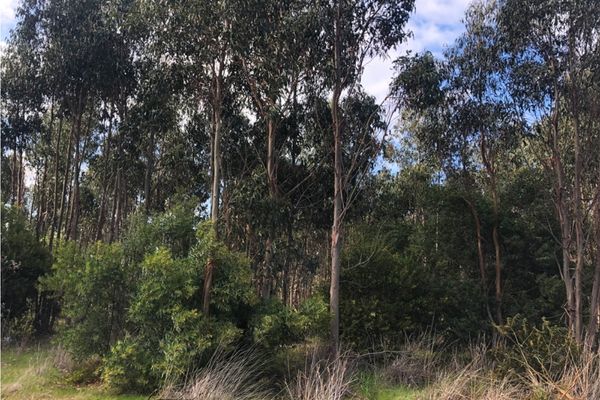
Sunnyside Permanent Planting Project
The Sunnyside Permanent Plantation Forest Project is a premium nature-based carbon solution that is a joint initiative between Carbon Neutral, Gondwana Link, and Forever Carbon Corridors. Located in the Southwest Ecoregion of Western Australia, one of the world’s most significant biodiversity hotspots, this project safeguards a 560-hectare Eucalyptus plantation on a 1,550-hectare property that was previously at risk of being cleared.
Explore stories in the world of sustainability, carbon and climate change.
 How to Choose Australian Carbon Credits in 2026
If your organisation needs to compensate for unavoidable emissions, choosing an Australian Carbon Credit Unit (ACCU) is an important decision. While all ACCUs are issued under the Australian Government’s ACCU…
 Carbon Neutral Contributes to New Paper on Vietnam’s Forest Carbon Pricing Framework
Vietnam took a significant step this year toward a functioning forest carbon market. In May 2026, the government issued Decree No. 180/2026/NĐ-CP on forest-based carbon sequestration and storage services, followed…
 7 Integrity Considerations When Sourcing Carbon Credits
Not that long ago, buying a carbon credit seemed fairly straightforward, as were the claims you could make once purchasing that credit. But increasing public and journalistic scrutiny around carbon credits…
 Falbala Returns to Eastern Maar: A Milestone in Land Justice and Carbon Farming
Carbon Neutral is proud to be working with Eastern Maar Aboriginal Corporation (EMAC) on a landmark project at Falbala, a 252-hectare property at Beech Forest in the Otways. On 3…
 From football to footprint: the carbon cost of the 2026 World Cup
Businesses have had to answer for their emissions and take real steps to offset them since 2013, when the UK became the first country in the world to make carbon reporting mandatory for its largest…
 Unpacking Australia’s Biodiversity Claims vs Reality
Australia recently submitted its Seventh National Report to the Convention on Biological Diversity, its first under the Kunming-Montreal Global Biodiversity Framework (GBF). At first glance the report suggests that we’re a nation “on…
 Carbon Neutral launches Australia’s largest environmental planting carbon project.
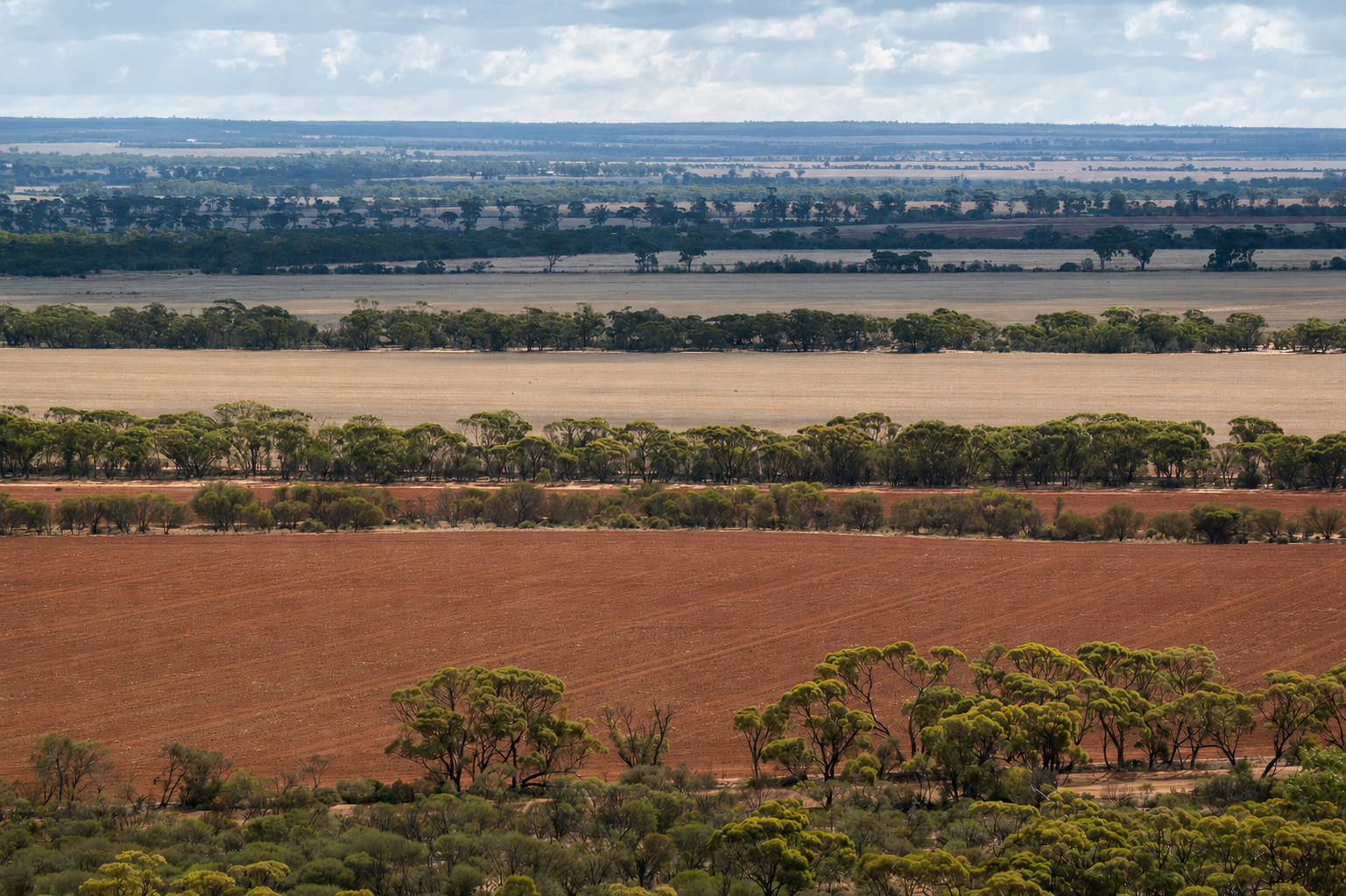
Great Woodlands Renewal project to restore 28,000 hectares and establish 16 million trees adjoining one of the world’s largest remaining temperate woodland ecosystems. Carbon Neutral has unveiled plans for what…
 Carbon Neutral Announces New Chief Commercial Officer
Carbon Neutral is thrilled to announce the appointment of Su-Mei Sain as the organisation’s Chief Commercial Officer. Since joining the company last year as Head of Investment Opportunities, Su-Mei has played a key role in progressing the organisation’s commercial…