
How to Choose Australian Carbon Credits in 2026
Renee McMahon
DateSeptember 2026
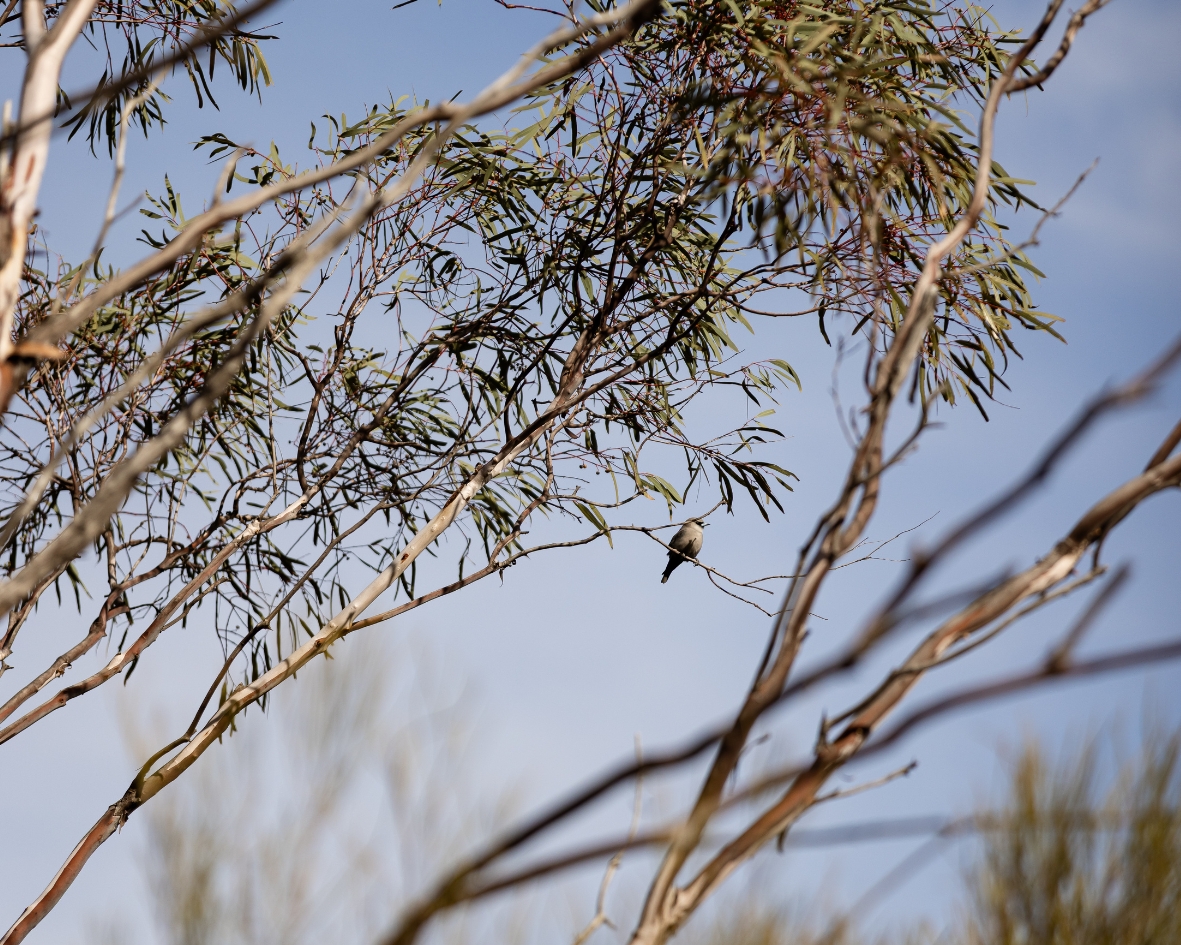
If your organisation needs to compensate for unavoidable emissions, choosing an Australian Carbon Credit Unit (ACCU) is an important decision. While all ACCUs are issued under the Australian Government’s ACCU Scheme, the projects that generate them can have very different characteristics and environmental outcomes.
Understanding the project behind an ACCU can help organisations make informed purchasing decisions and select credits that align with their environmental objectives, reporting requirements and values.
What makes an ACCU credible?
The ACCU Scheme operates under the Carbon Credits (Carbon Farming Initiative) Act 2011 and its associated integrity framework. Approved methods must meet the scheme’s Offset Integrity Standards (OIS), which are designed to provide confidence that credited emissions reductions and removals are genuine and appropriately accounted for. The six OISs under the Act are:
- Additional – the credited activity would not occur without the incentive provided by the scheme.
- Measurable and verifiable – emissions reductions or removals can be quantified using rigorous methodologies and independently checked.
- Eligible – the project and methodology meet the requirements of the ACCU Scheme.
- Evidence-based – methodologies are supported by appropriate scientific and technical evidence.
- Project emissions deducted – relevant greenhouse gas emissions resulting from the project are accounted for and deducted where required.
- Conservative – methodologies are designed to avoid overstating the amount of emissions reduction or removal achieved.
These principles provide an important foundation for the integrity of ACCUs.
Further, the Emissions Reduction Assurance Committee (ERAC) provides independent advice on the integrity of ACCU methods before they are approved. ACCU projects are also subject to audit requirements, with registered greenhouse and energy auditors assessing projects in accordance with the scheme’s requirements.
Permanence obligations and risk reversal buffers
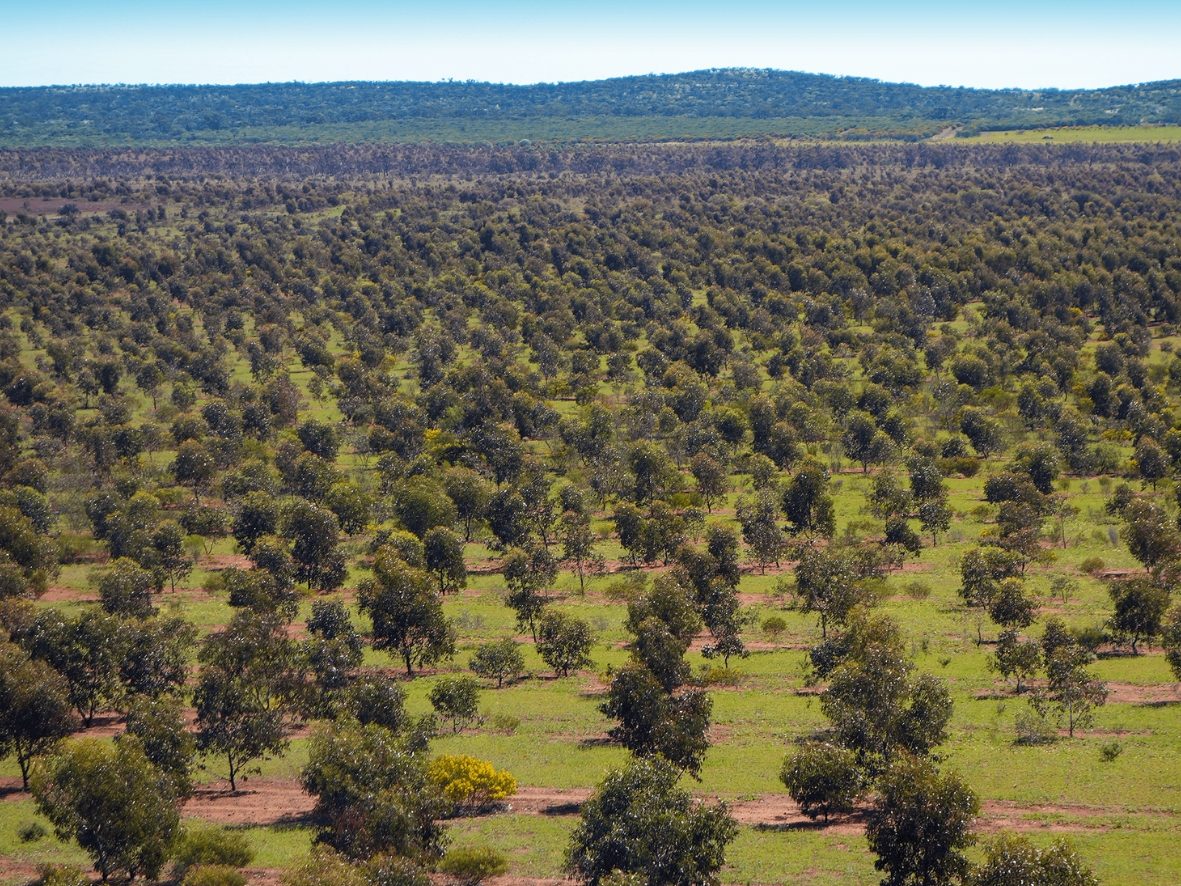
Two further safeguards set out by the Clean Energy Regulator apply to area-based projects under the ACCU Scheme. A 5% risk-of-reversal buffer reduces the number of ACCUs issued to account for potential losses of stored carbon from events such as bushfires and other reversal risks. Projects that elect a 25-year permanence period, rather than a 100-year period, are also subject to a 20% deduction on the ACCUs issued.
But the single fastest integrity check before buying is to look the project up on the Clean Energy Regulator’s public register, which shows location, method and crediting history, and to ask the seller for its project ID and audit history directly.
Evaluating the provider, not just the credit
Two suppliers can both sell you compliant, registry-verified ACCUs and still offer very different levels of service and transparency. When you’re comparing providers, the questions you ask will depend partly on why you’re buying.
- Can they identify the specific project generating your credits, or are you buying a pooled parcel? Direct visibility can be particularly valuable if you’re voluntarily offsetting emissions and want to report on the project, location, method or non-carbon benefits associated with your purchase.
- What’s their track record on delivery? Ask how long they’ve operated in the ACCU market and whether they can provide references from comparable buyers.
- Do they develop projects themselves, or only broker other people’s? A developer with its own portfolio typically has deeper knowledge of a project’s audit history and co-benefits – and more incentive to protect its reputation over a single sale.
- What happens if a project underdelivers or is deregistered? The Carbon Credits (Carbon Farming Initiative) Act 2011 sets out what happens to ACCUs when a project is revoked or stored carbon is reversed. Ask your supplier how these rules apply to the credits you’re buying.
- Can they support your reporting obligations directly? If you need documentation aligned to Climate Active (before it ends next year), Safeguard Mechanism surrender or a specific ESG framework, a provider with advisory capability will save you significant time.
For Safeguard Mechanism compliance, the specific project or vintage may be less important than securing eligible credits. For voluntary offsetting or sustainability reporting, project provenance and co-benefits can matter much more.
Matching Australian carbon credits to your obligation
However you’re buying, the number of ACCUs you need is based on the emissions you need to offset, with one ACCU representing one tonne of CO2-e. Emissions reduction should come first, with offsets used to address the emissions that remain.
Safeguard Mechanism compliance
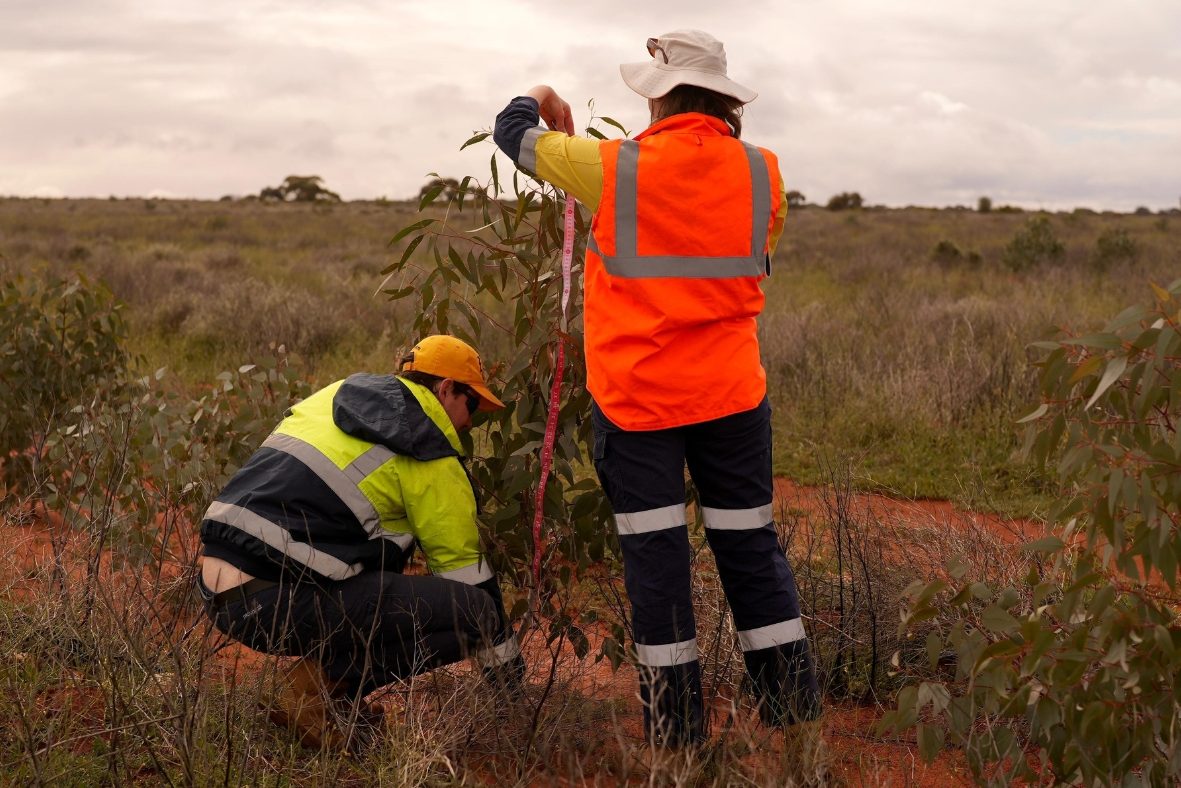
If your facility emits over 100,000 tCO2-e a year, you’re covered by the Safeguard Mechanism, whose rules state that “in general, baselines will fall by 4.9% each year to 2030.”
Credits surrendered against this baseline need to be compliance-eligible. The Australian Government holds a reserve of ACCUs through the cost containment measure, which eligible Safeguard facilities can access if they cannot source ACCUs on the market below the cost containment price ($87.72 in 2026-2027).
ACCUs are generally available on the secondary market for less than the cost containment price; the measure is a backstop for Safeguard facilities, allowing eligible emitters to access government-held ACCUs if market prices rise above the set price.
Climate Active certification
Climate Active has traditionally provided a benchmark for the standards, project types and vintages considered acceptable for Australian carbon neutrality, including ACCUs. The Australian Government now plans to end the scheme, with certification stopping from 30 June 2027.
Green Star certification
The Green Building Council of Australia’s Green Star scheme accepts eligible nature-based offsets in certain rating tools, including nature-based ACCUs that meet its requirements.
Project types and what they signal
Removals (sequestration)
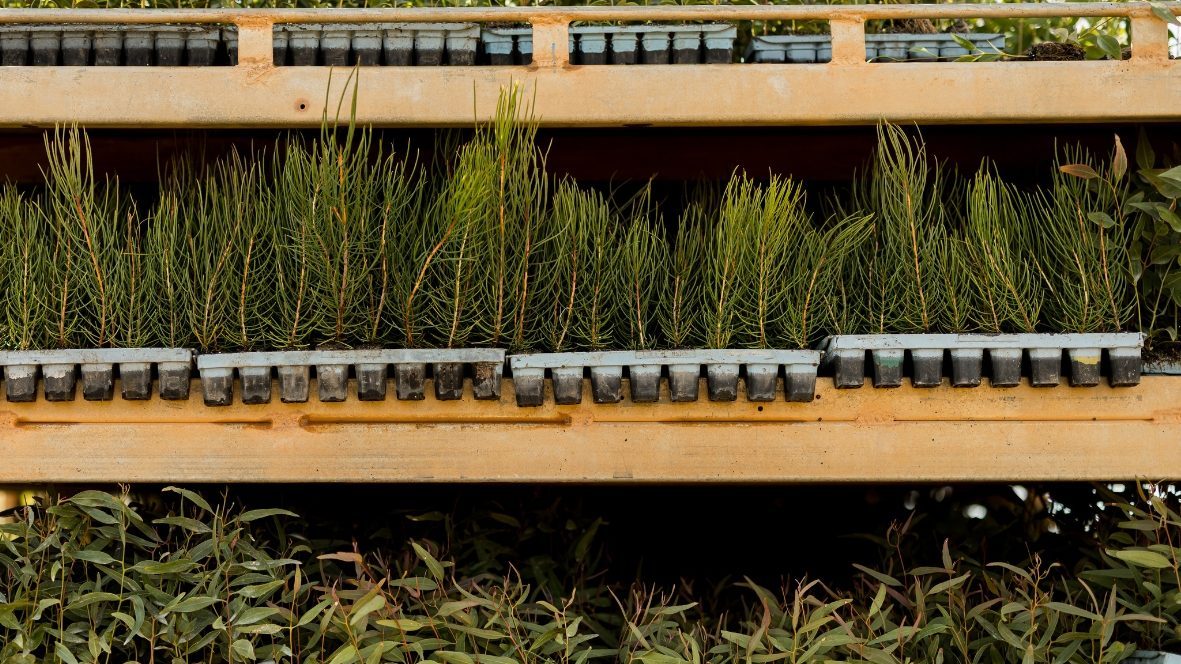
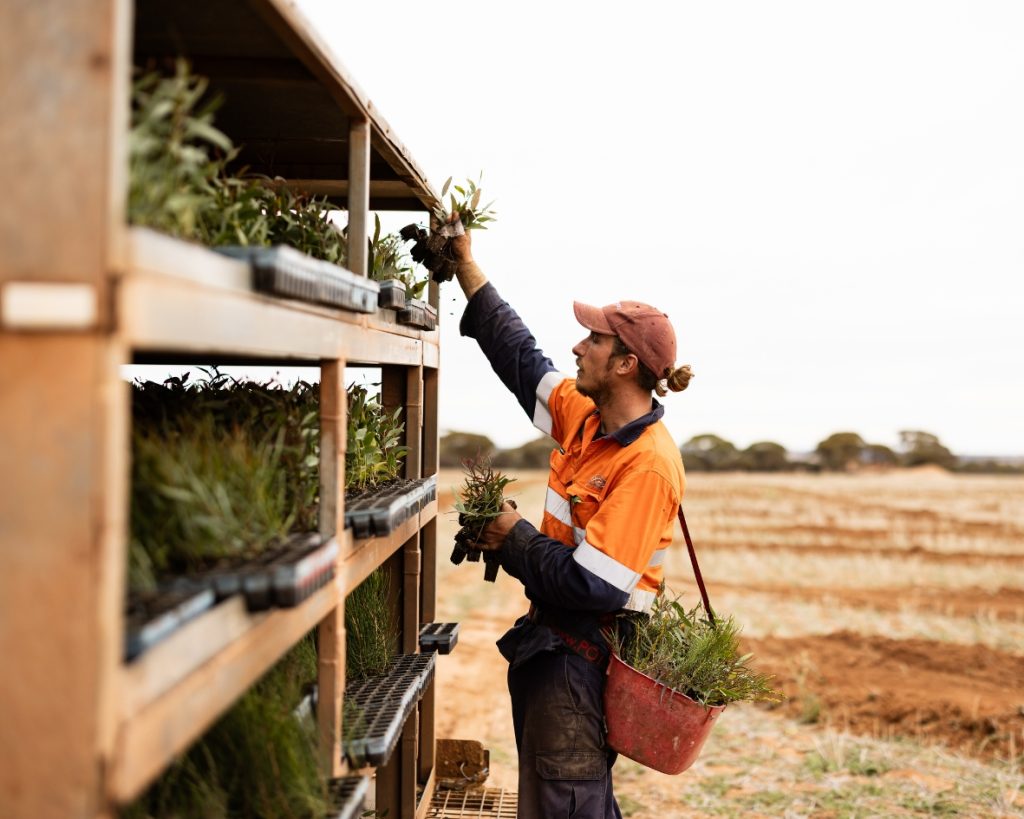
Removals take carbon dioxide out of the atmosphere and store it. Vegetation and reforestation projects fall into this category, sequestering carbon while delivering biodiversity and landscape restoration outcomes. Carbon Neutral’s own Wandalong Biodiverse Reforestation Project is one such example.
Avoidance
Avoidance projects prevent emissions that would otherwise have occurred. Savanna fire management is one example: early dry season burns in northern Australia can prevent larger, more emissions-intensive late-season fires. Many projects also involve First Nations communities applying traditional fire management knowledge, creating cultural and community core benefits.
Reduction
Reduction projects reduce emissions from an existing activity or process. Agricultural and soil carbon projects can reward farmers for changing management practices and improving soil health, while energy and industrial efficiency projects reduce emissions through more efficient processes or technologies.
ACCUs from projects with strong, verified co-benefits – or core benefits such as significant Indigenous participation or engagement – command a premium over generic ACCUs. Such core and co-benefits are generally not recorded on the ACCU Scheme project register, however, so buyers should ask the project developer for evidence of any claimed benefits before purchasing.
Where to buy ACCUs
Through a market operator or broker. The Carbon Market Institute’s Marketplace Directory lists a range of ACCU market participants, including project developers, brokers and intermediaries. This can be useful for comparing suppliers and finding credits that match your required volume, project type or other preferences.
Direct from a project developer. Buying directly can give you greater visibility into the project generating your credits and a direct relationship with the developer. This can be useful if you want your purchase tied to a specific project, location, method or verified benefits.
Through an advisor. If you’re new to the market or need help matching purchases to a compliance or reporting requirement, an advisor can help you assess projects, suppliers and purchasing timelines.
What documentation to request
- ANREU registry statements confirming your holdings and transaction history
- Project ID, method and crediting period for the specific credits you’re buying
- A voluntary cancellation verification certificate once you cancel units for offsetting
- The AFMA standardised contract for ACCU spot trades, where applicable
Tax considerations
ACCUs are GST-free and the cost of acquiring them is tax deductible, with the deduction effectively deferred until the ACCU is sold or surrendered. Detailed information about the tax treatment of ACCUs can be found on the Australian Taxation Office’s website. And as always, confirm specifics with your tax adviser.
How to get started with Carbon Neutral
Carbon Neutral brings over 20 years of experience working with individuals and organisations to reduce their impact on the planet.
We develop and supply ACCUs through eligible domestic projects and offer advisory support from initial footprint assessment through to Climate Active certification.
Contact our team to discuss your carbon credit requirements and learn how we can support your sustainability goals.
Contact us today
To discuss your specific needs and develop a tailored strategy to navigate the evolving regulatory landscape with confidence.
Explore stories in the world of sustainability, carbon and climate change.
 Carbon Neutral Contributes to New Paper on Vietnam’s Forest Carbon Pricing Framework
Vietnam took a significant step this year toward a functioning forest carbon market. In May 2026, the government issued Decree No. 180/2026/NĐ-CP on forest-based carbon sequestration and storage services, followed…
 7 Integrity Considerations When Sourcing Carbon Credits
Not that long ago, buying a carbon credit seemed fairly straightforward, as were the claims you could make once purchasing that credit. But increasing public and journalistic scrutiny around carbon credits…
 Falbala Returns to Eastern Maar: A Milestone in Land Justice and Carbon Farming
Carbon Neutral is proud to be working with Eastern Maar Aboriginal Corporation (EMAC) on a landmark project at Falbala, a 252-hectare property at Beech Forest in the Otways. On 3…
 The market’s rediscovery of plantation forestry ACCUs
For most of its early development, plantation forestry ACCUs occupied a niche position in the Australian carbon market. Long crediting timeframes, FullCAM-based accounting and permanence obligations stretching to 100 years made them slower…
 From football to footprint: the carbon cost of the 2026 World Cup
Businesses have had to answer for their emissions and take real steps to offset them since 2013, when the UK became the first country in the world to make carbon reporting mandatory for its largest…
 Unpacking Australia’s Biodiversity Claims vs Reality
Australia recently submitted its Seventh National Report to the Convention on Biological Diversity, its first under the Kunming-Montreal Global Biodiversity Framework (GBF). At first glance the report suggests that we’re a nation “on…
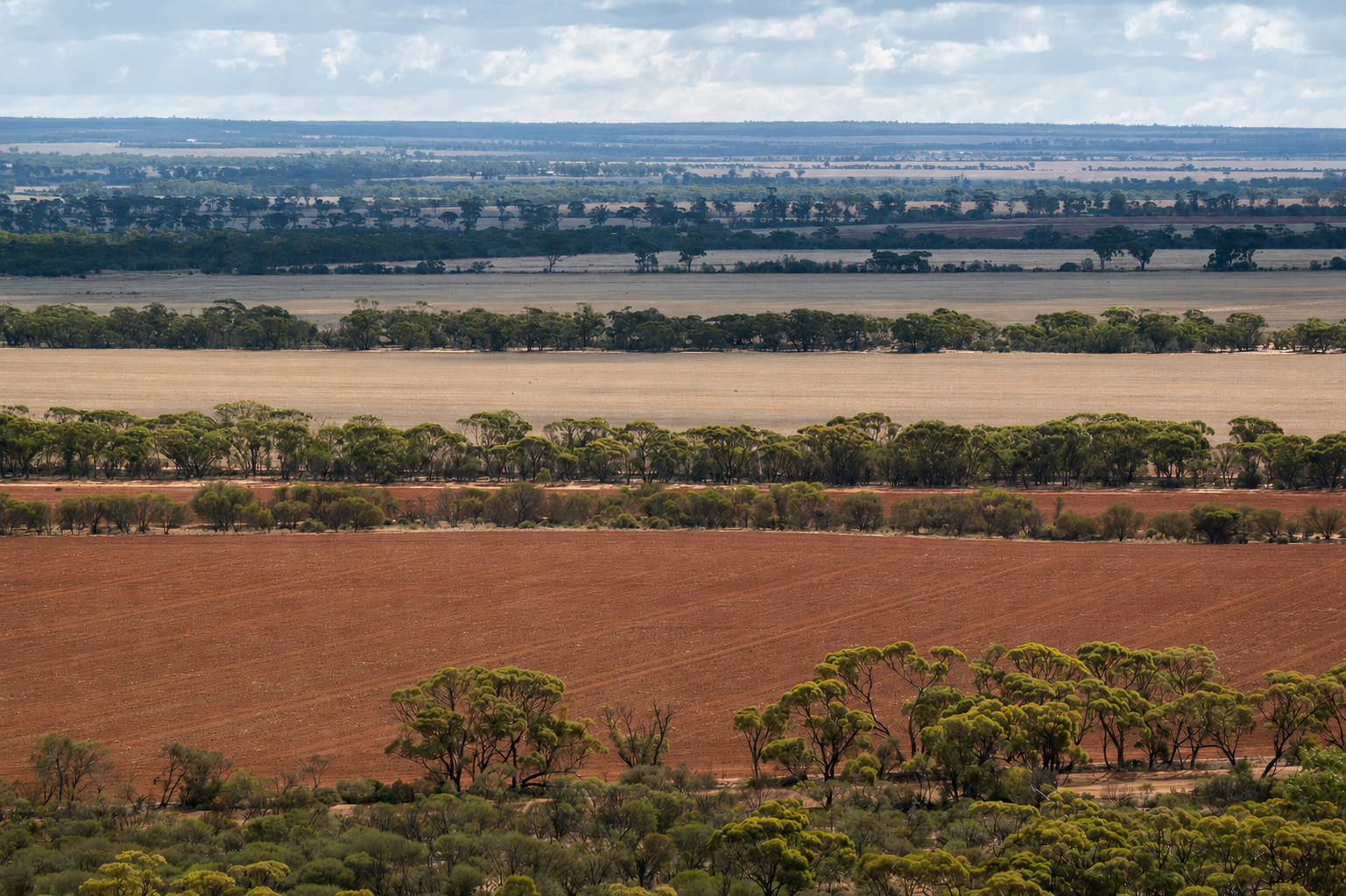 Carbon Neutral launches Australia’s largest environmental planting carbon project.
Great Woodlands Renewal project to restore 28,000 hectares and establish 16 million trees adjoining one of the world’s largest remaining temperate woodland ecosystems. Carbon Neutral has unveiled plans for what…
 Carbon Neutral Announces New Chief Commercial Officer
Carbon Neutral is thrilled to announce the appointment of Su-Mei Sain as the organisation’s Chief Commercial Officer. Since joining the company last year as Head of Investment Opportunities, Su-Mei has played a key role in progressing the organisation’s commercial…