
Sustaining Life on Earth: International Day for Biological Diversity
Renee McMahon
DateMay 2023
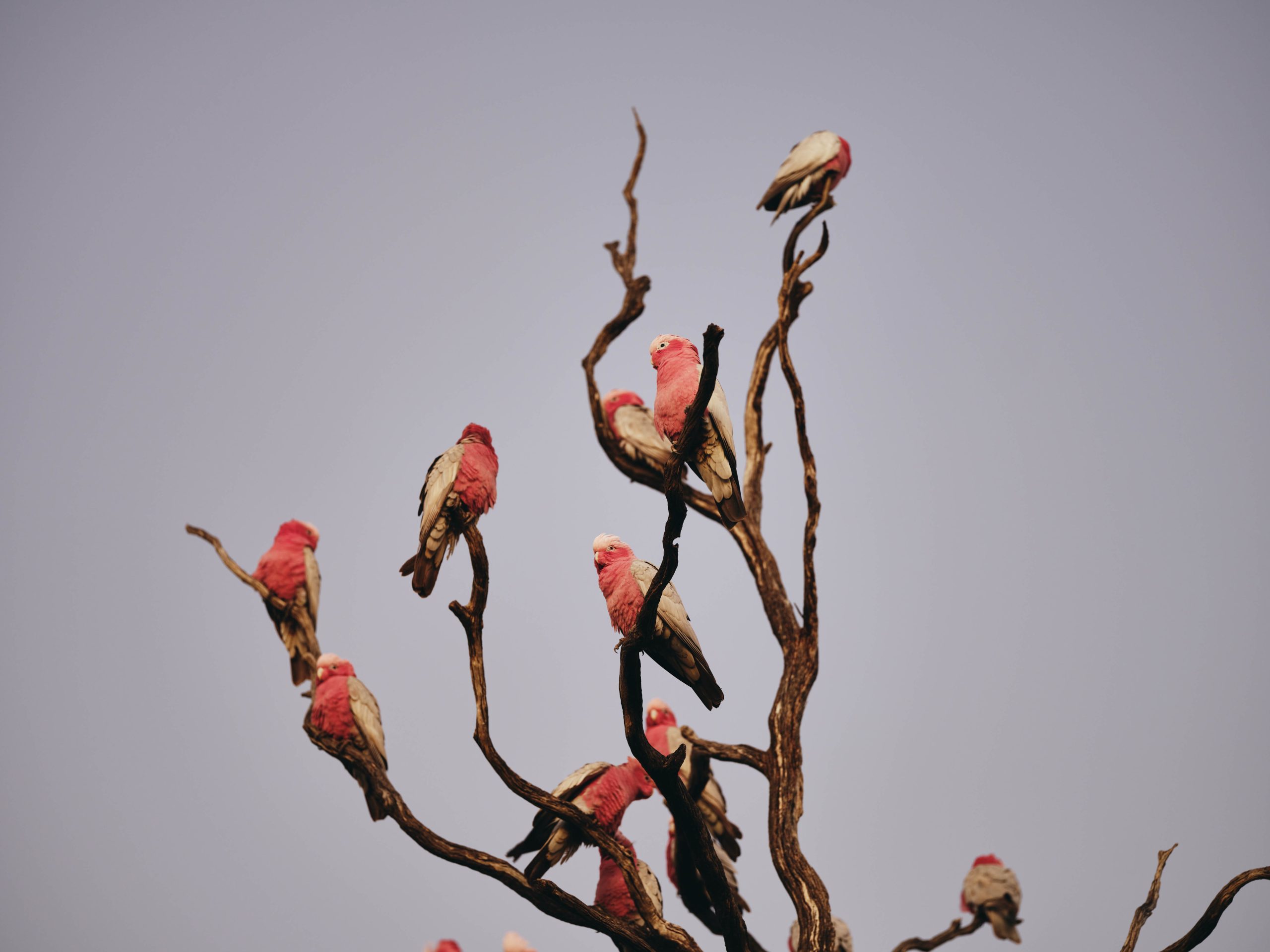
May 22 marks World Biodiversity Day, an internationally recognised day endorsed by the United Nations that aims to raise awareness about biodiversity issues. While each Biodiversity Day is unique, this year’s global celebrations are particularly meaningful due to the adoption of the Kunming-Montreal Global Biodiversity Framework at the 15th Conference of Parties to the UN Convention on Biological Diversity (COP 15), which brings a sense of hope.
To commemorate this incredible and historic accomplishment, the suggested theme for this year’s celebration is From Agreement to Action: Build Back Biodiversity. This theme builds on the outcomes of COP 15, emphasizing that now that the world has the Kunming-Montreal Global Biodiversity Framework (the agreement), the focus must immediately shift to its tangible actions.
From its establishment at the Second Committee of the UN General Assembly in 1993 up until 2000, Biodiversity Day was celebrated on December 29, in honour of the day the Convention on Biological Diversity came into effect. However, on December 20, 2000, the date was changed to May 22 to align with the implementation of the Convention on that same day in 1992, during the Rio Earth Summit.
The United Nations Decade on Biodiversity, spanning from 2011 to 2020, was declared by the UN’s General Assembly. This decade aimed to support and encourage the implementation of the objectives of the Strategic Plan for Biodiversity and the Aichi Biodiversity Targets, with the ultimate goal of significantly decreasing the worldwide loss of biodiversity.
At Carbon Neutral, our involvement in the Yarra Yarra Biodiversity Corridor has emphasised the significance of promoting biodiversity as a crucial aspect of the fight against climate change. Biodiversity refers to the variety of life forms within a specific species, ecosystem, biome, or the entire planet. It serves as a measure of the overall health of ecosystems, making it an essential component of earth’s climate.
The term “biodiversity” was first coined by W.G. Rosen in 1985 while organizing the National Forum on Biological Diversity. The concept gained recognition when entomologist E.O. Wilson used it as the title of the forum’s publication in 1988. Since then, environmentalists, biologists, politicians, and concerned individuals worldwide have embraced the idea to express their interest in the conservation of the natural environment. Biodiversity provides us with critical resources such as shelter, food, fuel, clothing, and other necessities that support our way of life, and it also generates economic benefits through tourism in recent years.
Explore stories in the world of sustainability, carbon and climate change.
 How to Choose Australian Carbon Credits in 2026
If your organisation needs to compensate for unavoidable emissions, choosing an Australian Carbon Credit Unit (ACCU) is an important decision. While all ACCUs are issued under the Australian Government’s ACCU…
 Carbon Neutral Contributes to New Paper on Vietnam’s Forest Carbon Pricing Framework
Vietnam took a significant step this year toward a functioning forest carbon market. In May 2026, the government issued Decree No. 180/2026/NĐ-CP on forest-based carbon sequestration and storage services, followed…
 7 Integrity Considerations When Sourcing Carbon Credits
Not that long ago, buying a carbon credit seemed fairly straightforward, as were the claims you could make once purchasing that credit. But increasing public and journalistic scrutiny around carbon credits…
 Falbala Returns to Eastern Maar: A Milestone in Land Justice and Carbon Farming
Carbon Neutral is proud to be working with Eastern Maar Aboriginal Corporation (EMAC) on a landmark project at Falbala, a 252-hectare property at Beech Forest in the Otways. On 3…
 The market’s rediscovery of plantation forestry ACCUs
For most of its early development, plantation forestry ACCUs occupied a niche position in the Australian carbon market. Long crediting timeframes, FullCAM-based accounting and permanence obligations stretching to 100 years made them slower…
 From football to footprint: the carbon cost of the 2026 World Cup
Businesses have had to answer for their emissions and take real steps to offset them since 2013, when the UK became the first country in the world to make carbon reporting mandatory for its largest…
 Unpacking Australia’s Biodiversity Claims vs Reality
Australia recently submitted its Seventh National Report to the Convention on Biological Diversity, its first under the Kunming-Montreal Global Biodiversity Framework (GBF). At first glance the report suggests that we’re a nation “on…
 Carbon Neutral launches Australia’s largest environmental planting carbon project.
Great Woodlands Renewal project to restore 28,000 hectares and establish 16 million trees adjoining one of the world’s largest remaining temperate woodland ecosystems. Carbon Neutral has unveiled plans for what…