
Politics, Policy, and the Carbon Imperative: A Conversation with Dr Phil Ireland
Carbon Neutral
DateApril 2025
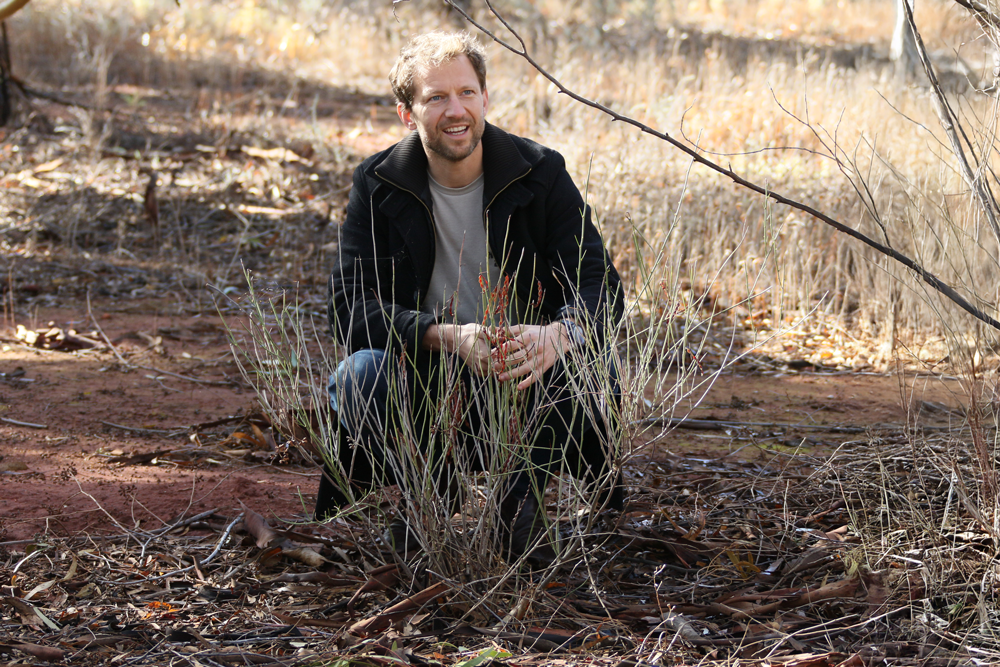
After two decades in climate change policy and advocacy, Dr Phil Ireland, CEO of Carbon Neutral, is well-versed in the complex dance between government action and environmental progress. We recently sat down with Phil—cross-legged on the floor, mid-stretch as is his style—to unpack how today’s political climate is shaping the carbon market, and what it means for the work we do.
Phil, what’s your take on the current political landscape around climate action?
“Climate policy has always been a bit of a tug-of-war—two steps forward, one step back. But lately, global trends suggest we’re in a backward phase. Still, the core truths haven’t changed: emissions are rising, climate change is accelerating, and the urgency to reduce carbon going into the atmosphere and remove it from the atmosphere has never been greater. This isn’t a distant issue—it’s affecting lives and ecosystems today.”
How is this playing out in Australia?
“Australia has a crucial lever in place: the Safeguard Mechanism. It’s a legislated policy that requires our biggest emitters to reduce or offset emissions each year. It’s tightening over time, which is key to strengthening demand for Australian Carbon Credit Units (ACCUs). On paper, it has bipartisan support.
But in practice? The rhetoric matters. Ted O’Brien, the Shadow Climate Change Minister, has made public criticisms of the Safeguard Mechanism and the ACCU Scheme—signalling that a Coalition-led government could move to weaken the current policy settings. While the Labor Party has committed to strengthening the scheme, the outcome won’t be determined by who forms government alone—it’s also about who holds influence. A minority government that leans on climate-focused Independents could actually improve the scheme further. But be warned, the reverse is also true: if less climate-ambitious voices hold sway, the mechanism could stall or be diluted.”
Given that uncertainty, how are businesses responding?
“Interestingly, despite potential political shifts, many businesses are steaming ahead with long-term emissions reduction strategies. There’s a growing recognition that climate action can’t be shelved every other election cycle. Whether it’s a Trump presidency in the U.S. or political swings here in Australia, no single government can stop the global transition to cleaner energy and lower emissions.
Sure, we’ve seen setbacks. In the U.S., some big corporate players dialled down their climate commitments under Trump’s political pressure. BlackRock, one of the world’s largest investment firms, was a notable example of several that began to retreat from their net-zero commitments. But even with these setbacks, the science doesn’t change. Climate risk is building—and markets are starting to reflect that reality. The insurance sector, for instance, is already recalibrating premiums and coverage in response to more frequent and severe climate-related events.”
Carbon credits continue to attract scrutiny—what’s your perspective?
“While carbon credits remain a divisive topic in some circles, the idea that we can get to a safe climate solely through emissions cuts is outdated. We’ve already surpassed safe CO₂ levels in the atmosphere, and high-integrity carbon credits are one of the few scalable tools available to remove carbon from the atmosphere. Are they perfect? No. Has the sector matured? Yes—and that’s exactly why scrutiny is not only expected, but necessary. It drives continuous improvement. The carbon project development and carbon crediting sector has evolved rapidly, and that same scrutiny is helping strengthen the system. Standards are tightening, verification is getting stronger, and transparency is improving. We’re getting better at this—and that progress matters.”
What’s the risk of delay?
“The science is clear: every year we delay, the cost and complexity of solving this crisis increases. The IPCC has hammered that point home for decades. We can’t wait for perfect policy alignment. We have to do the work anyway, cut what we can, offset what we can’t immediately. Even if we face years of political stagnation, the task remains unchanged. The window to act is closing, fast.”
And Carbon Neutral’s role in all this?
“We stay the course. Our focus is delivering robust, high-integrity carbon projects and credits—solutions that not only reduce emissions but restore landscapes and support biodiversity (which is also in crisis by the way). We can’t afford to wait for politics to catch up. A liveable future depends on action, now.”
Closing Thoughts
While politics and policy will always ebb and flow, the climate challenge is constant. Dr Phil Ireland reminds us that progress doesn’t hinge on politics alone—it’s driven by people, science, and the urgency of the moment. At Carbon Neutral, that’s where our commitment lies.
Contact us Today
Are you interested in partnering with Carbon Neutral to advance climate solutions or explore investment opportunities?
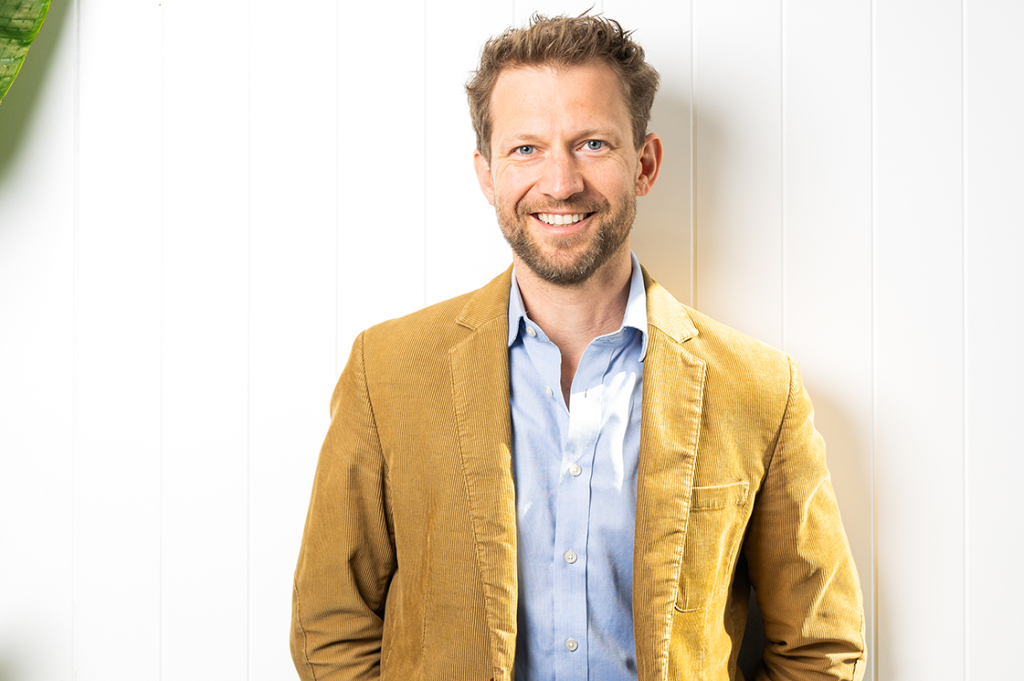
Connect with Phil Ireland, our Chief Executive Officer. With extensive experience across government, business, and global climate strategy, Phil can help guide your organisation’s journey toward impactful, sustainable outcomes.
Explore stories in the world of sustainability, carbon and climate change.
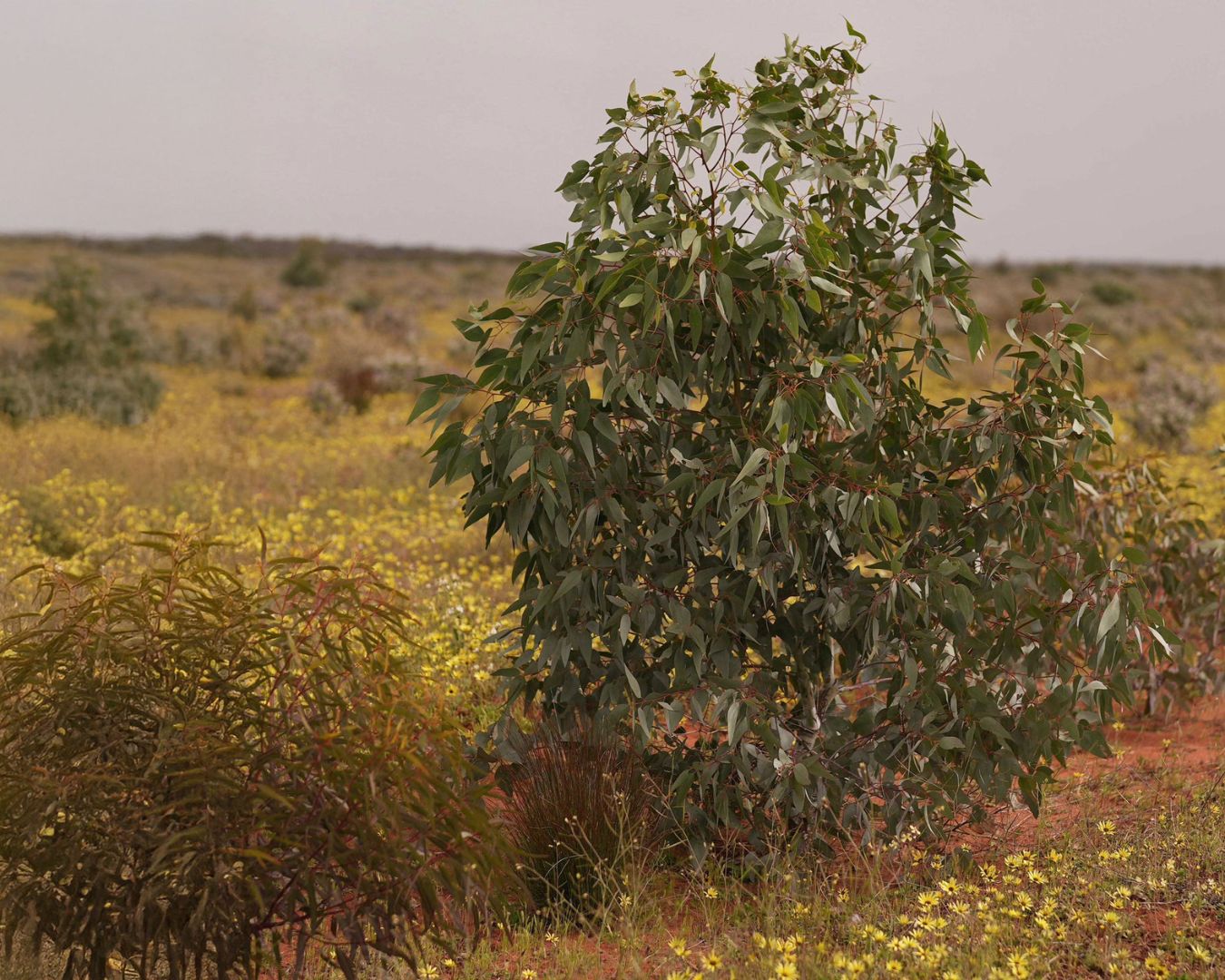 7 Integrity Considerations When Sourcing Carbon Credits
Not that long ago, buying a carbon credit seemed fairly straightforward, as were the claims you could make once purchasing that credit. But increasing public and journalistic scrutiny around carbon credits…
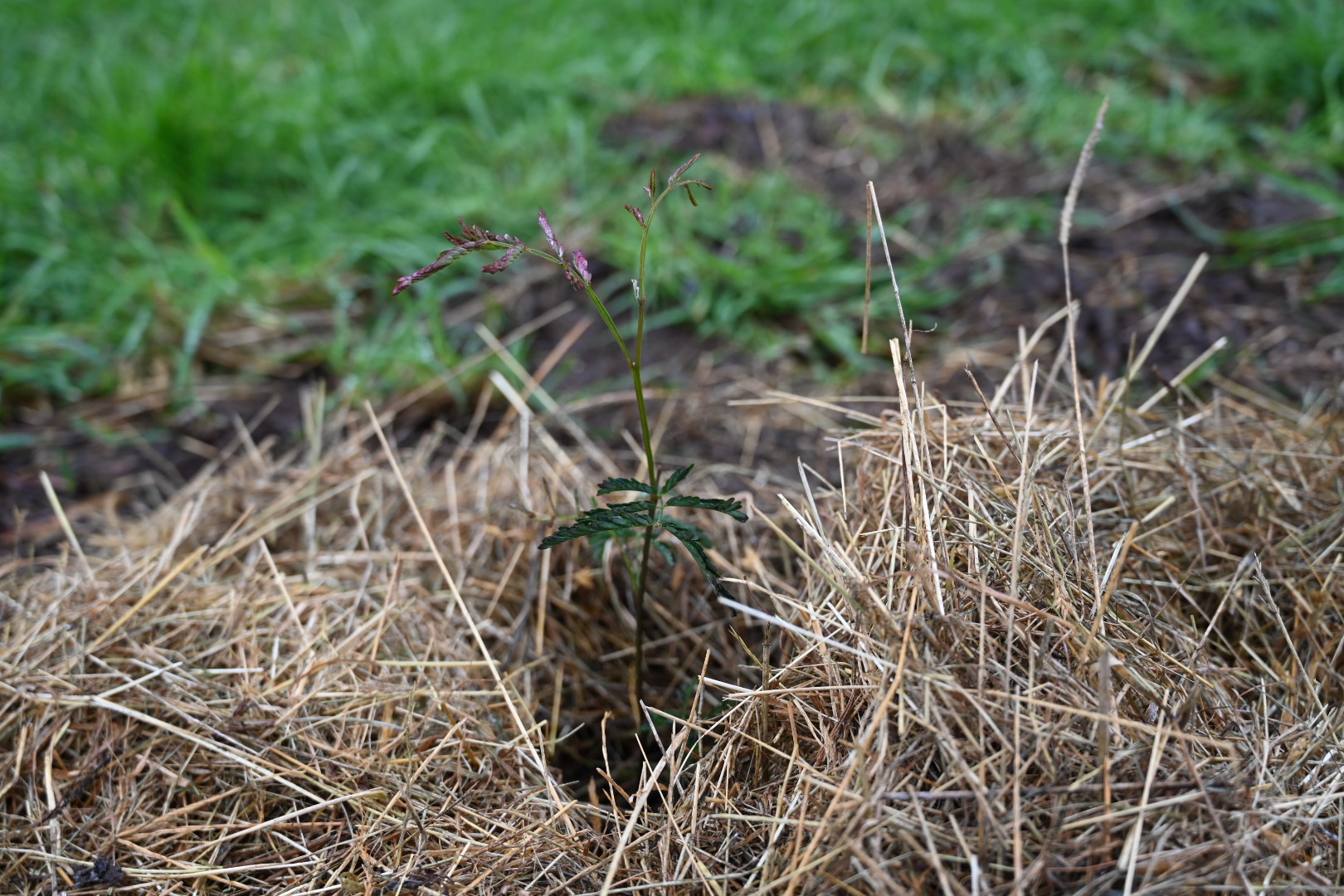 Falbala Returns to Eastern Maar: A Milestone in Land Justice and Carbon Farming
Carbon Neutral is proud to be working with Eastern Maar Aboriginal Corporation (EMAC) on a landmark project at Falbala, a 252-hectare property at Beech Forest in the Otways. On 3…
 The market’s rediscovery of plantation forestry ACCUs
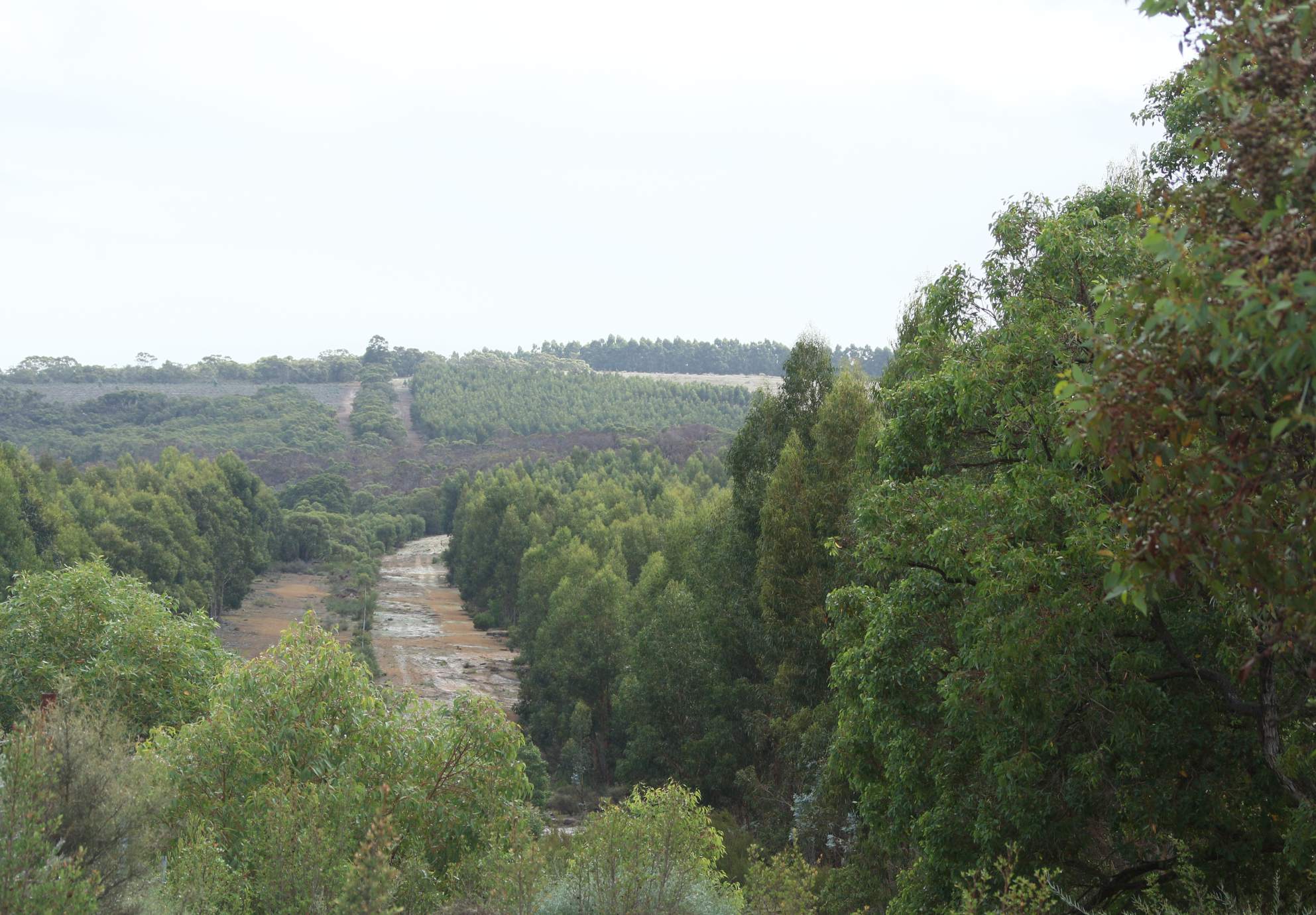
For most of its early development, plantation forestry ACCUs occupied a niche position in the Australian carbon market. Long crediting timeframes, FullCAM-based accounting and permanence obligations stretching to 100 years made them slower…
 From football to footprint: the carbon cost of the 2026 World Cup
Businesses have had to answer for their emissions and take real steps to offset them since 2013, when the UK became the first country in the world to make carbon reporting mandatory for its largest…
 Unpacking Australia’s Biodiversity Claims vs Reality
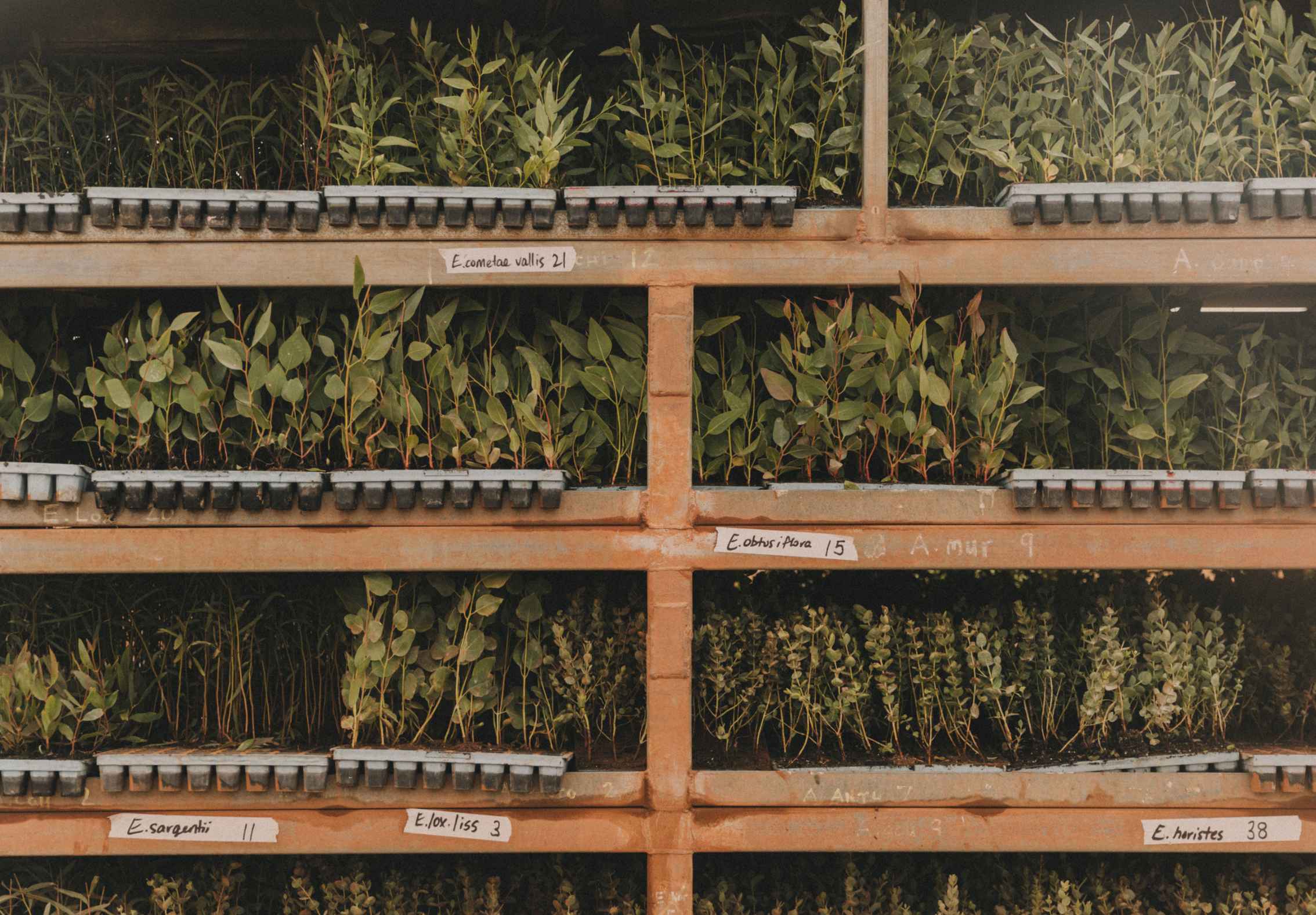
Australia recently submitted its Seventh National Report to the Convention on Biological Diversity, its first under the Kunming-Montreal Global Biodiversity Framework (GBF). At first glance the report suggests that we’re a nation “on…
 Carbon Neutral launches Australia’s largest environmental planting carbon project.
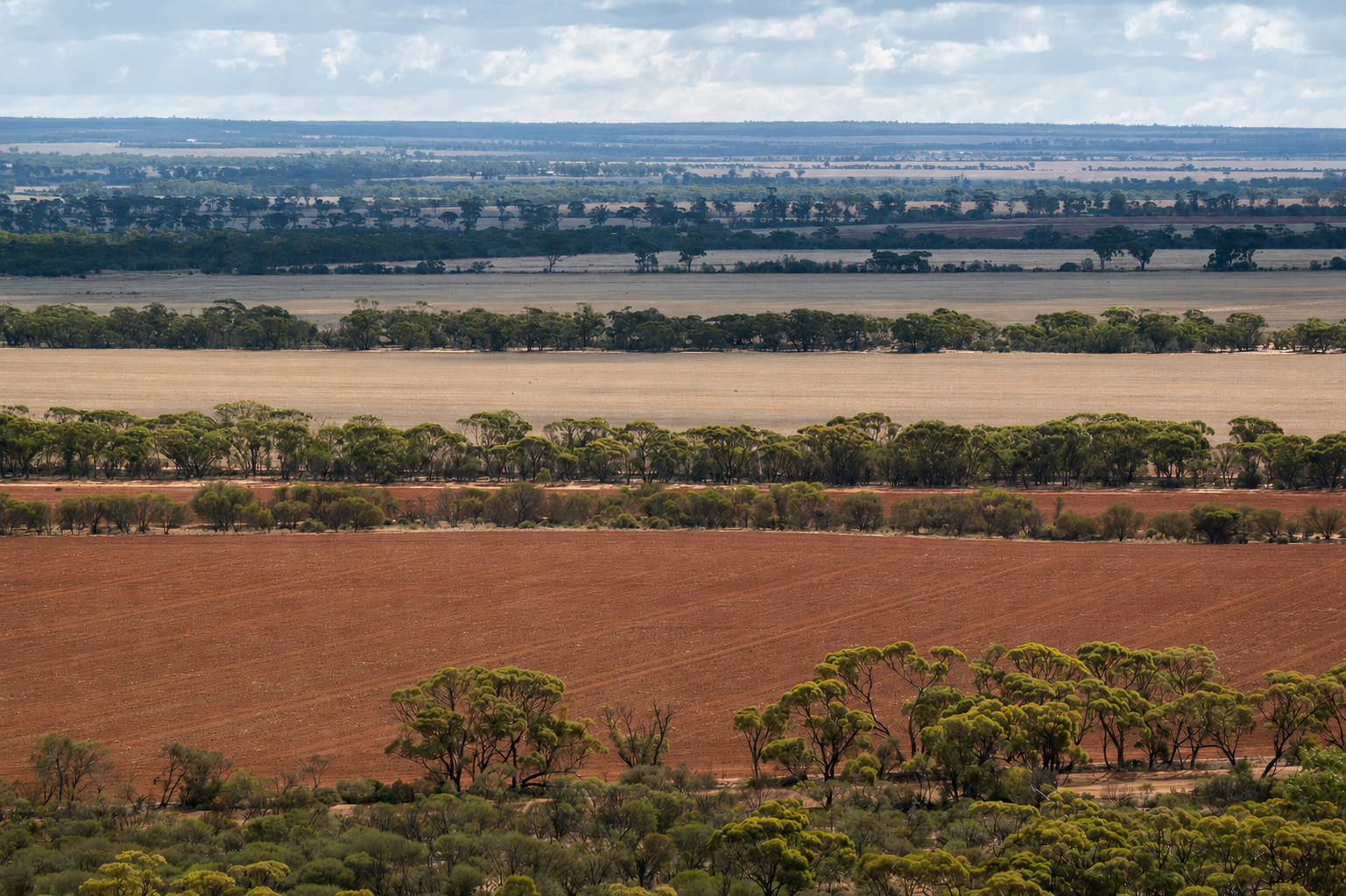
Great Woodlands Renewal project to restore 28,000 hectares and establish 16 million trees adjoining one of the world’s largest remaining temperate woodland ecosystems. Carbon Neutral has unveiled plans for what…
 Carbon Neutral Announces New Chief Commercial Officer
Carbon Neutral is thrilled to announce the appointment of Su-Mei Sain as the organisation’s Chief Commercial Officer. Since joining the company last year as Head of Investment Opportunities, Su-Mei has played a key role in progressing the organisation’s commercial…
 Rethinking Australia’s Natural Wealth Through Carbon
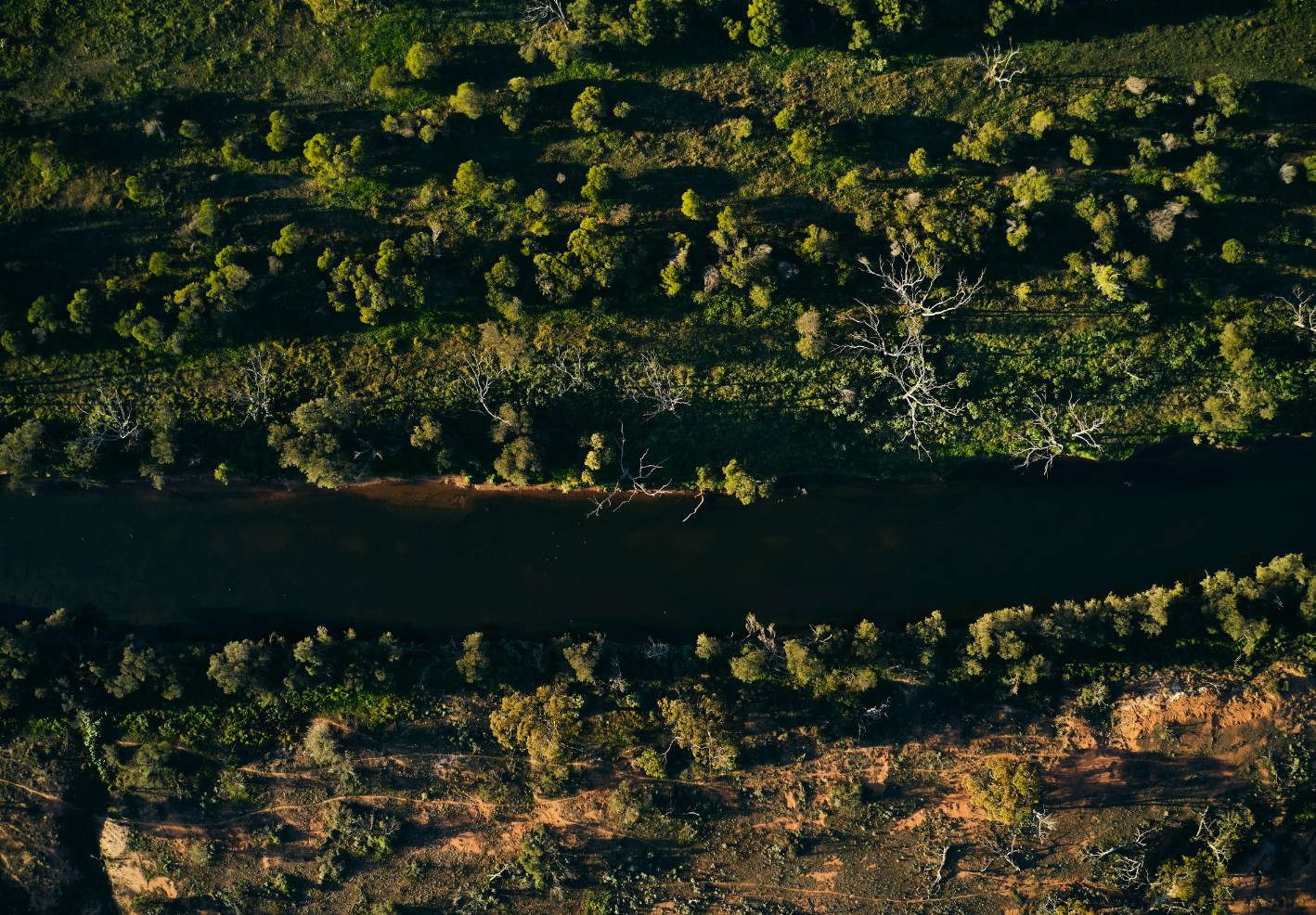
Australia is a land of plenty. “Our land abounds in nature’s gifts of beauty, rich and rare,” as the national anthem tells us. But as a nation, we’ve struggled to properly value those gifts, let alone keep…
ACCUs Through First Nations Leadership
Discover how the Sunnyside Permanent Plantation Forest Project protects biodiversity, sequesters carbon, and strengthens First Nations land management. By restoring critical habitat and supporting sustainable practices, the project drives lasting environmental and community outcomes.