
The Quiet Shift Reshaping How Australia Protects Nature
Carbon Neutral
DateMarch 2026
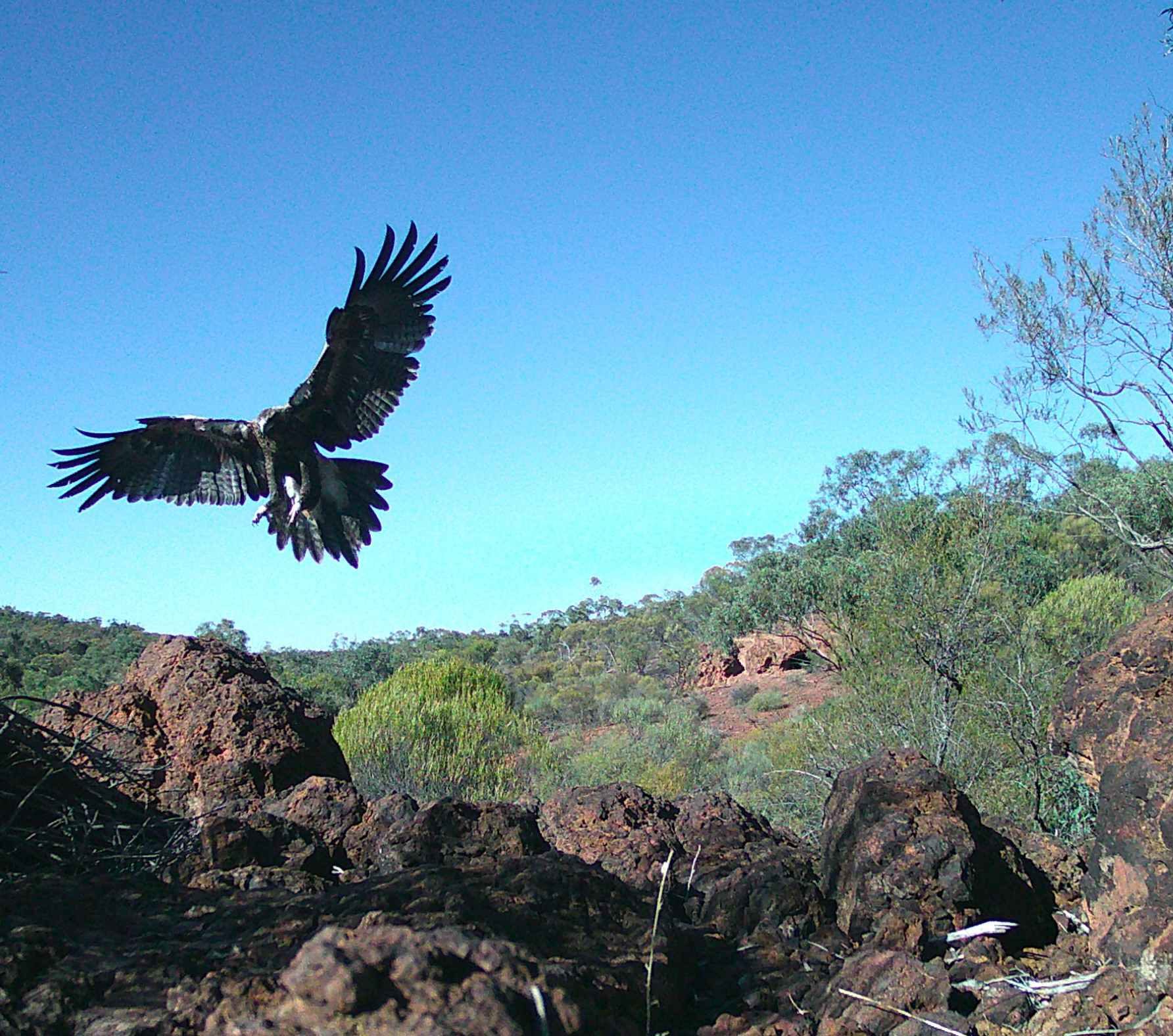
When Carbon Neutral launched the Perenjori Hills Sanctuary last year, the timing coincided with the release of the WA Auditor General’s overview, a report that assessed if the Department of Biodiversity, Conservation and Attractions is effectively managing threatened ecological communities.
As a refresher, threatened ecological communities (TECs) are “unique groups of plants, animals and micro-organisms that live together and interact in a specific environment”. Once a TEC is destroyed, recovery is unlikely.
Here are some figures uncovered by the audit:
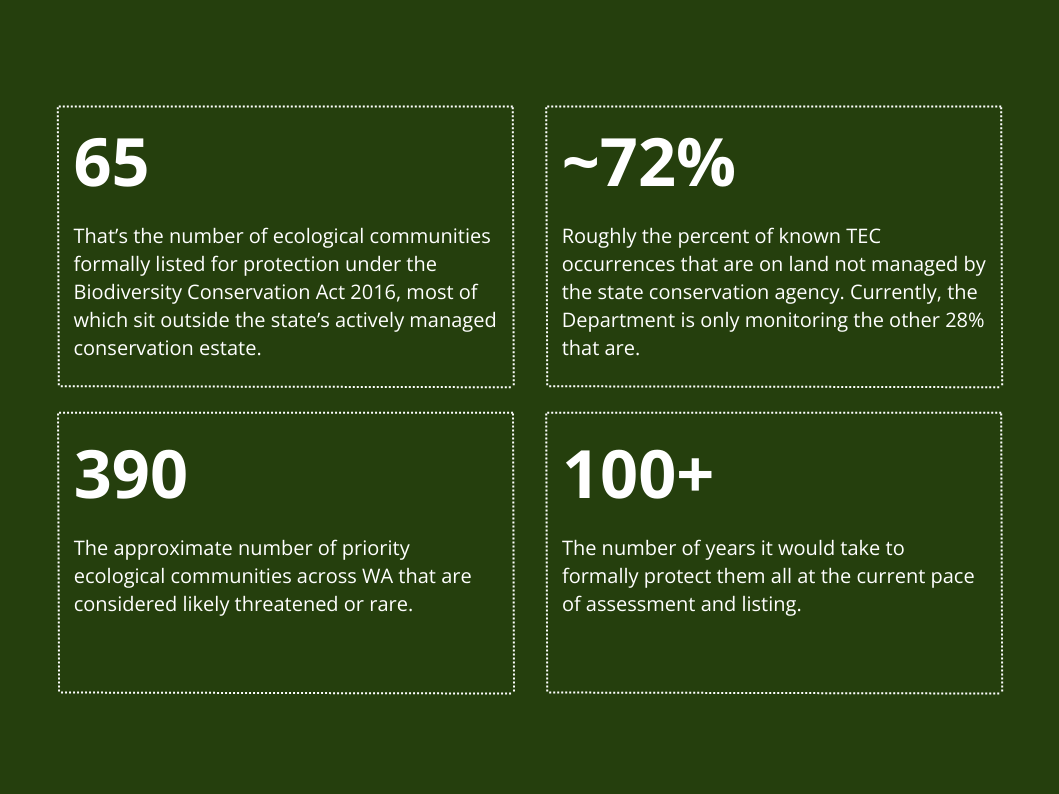
In practical terms, this means that vast areas of ecologically significant land remain exposed to degradation long before they ever receive legislative safeguards.
The Auditor General’s findings boil down to this uncomfortable reality: while biodiversity laws (like the Biodiversity Conservation Act 2016) exist, the department responsible for protecting threatened ecosystems is stretched well beyond its limits.
It cannot effectively track or demonstrate what impact its activities are having on the condition of TECs and considering how lengthy the process for listing TECs is, time is not on its side.
A sanctuary born from a gap
This is the context in which the Perenjori Hills Sanctuary now exists.
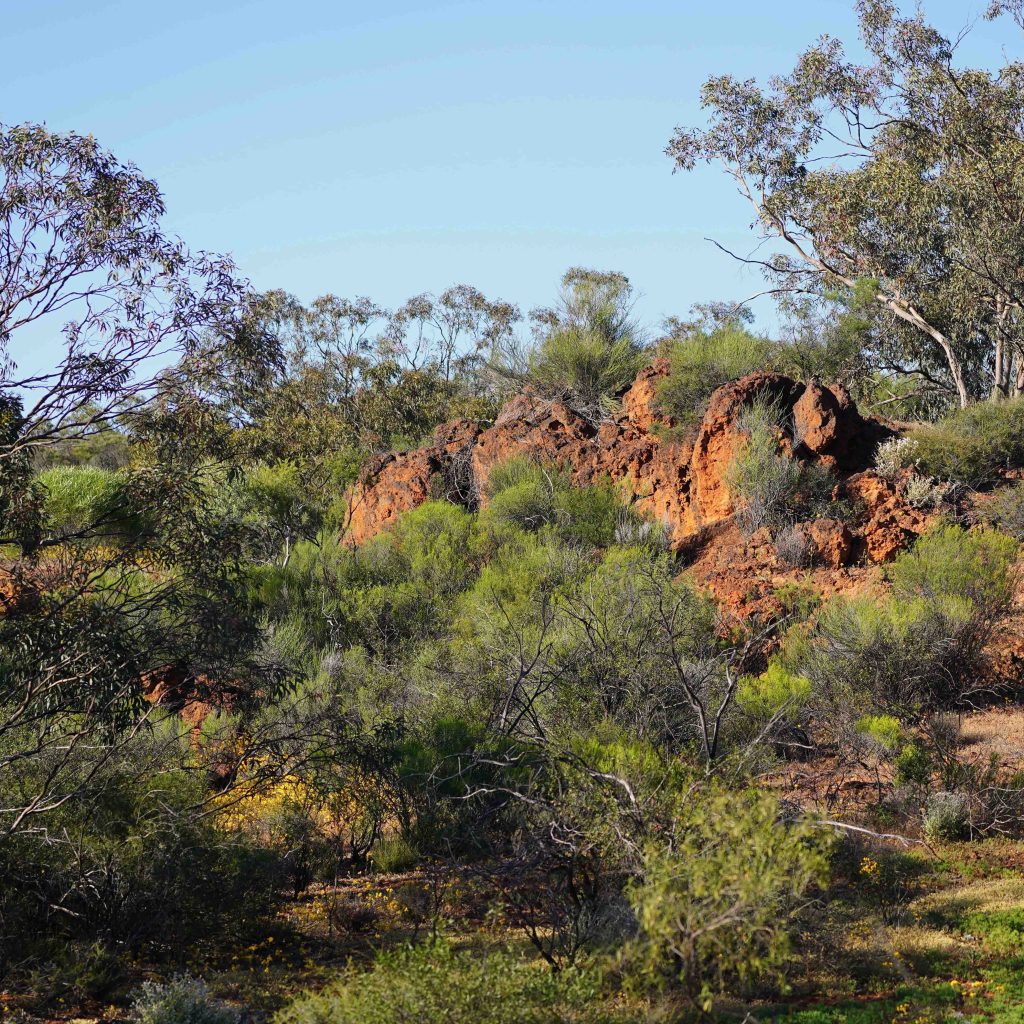
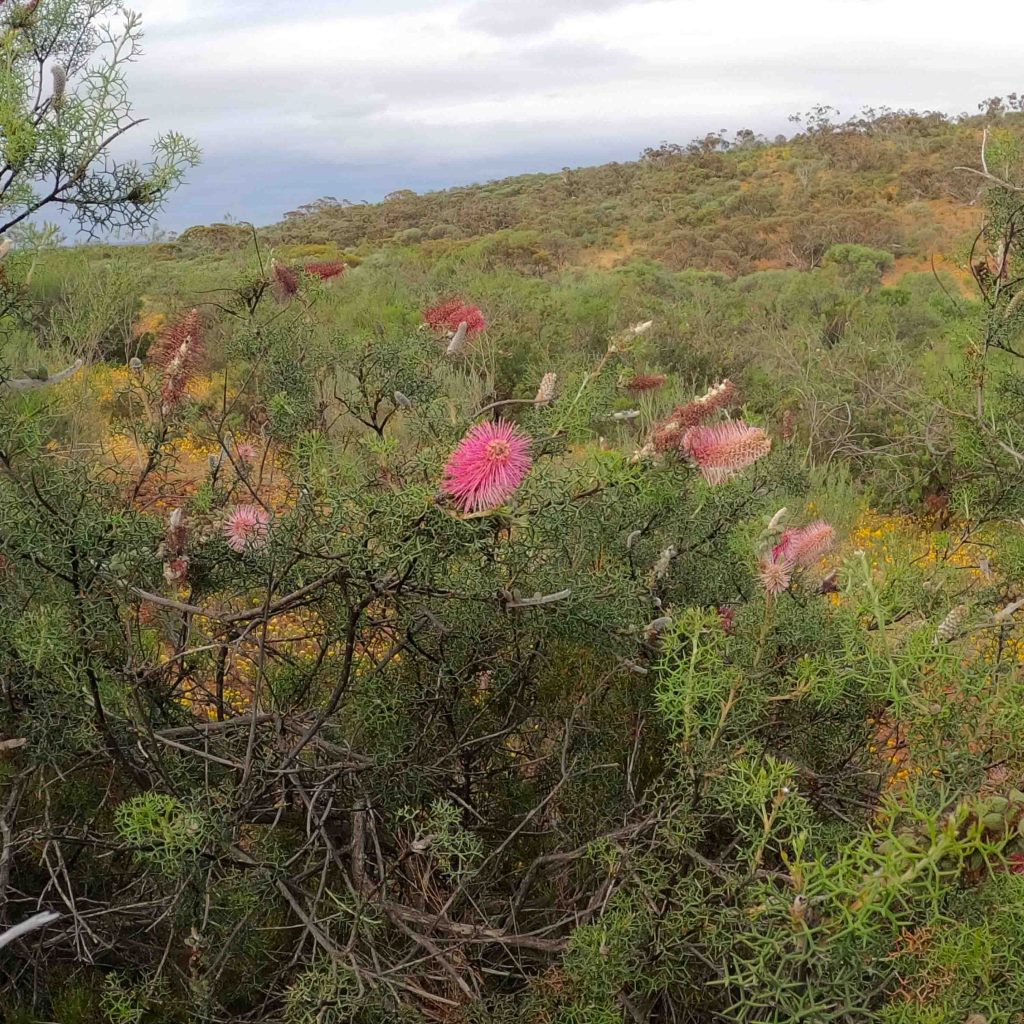
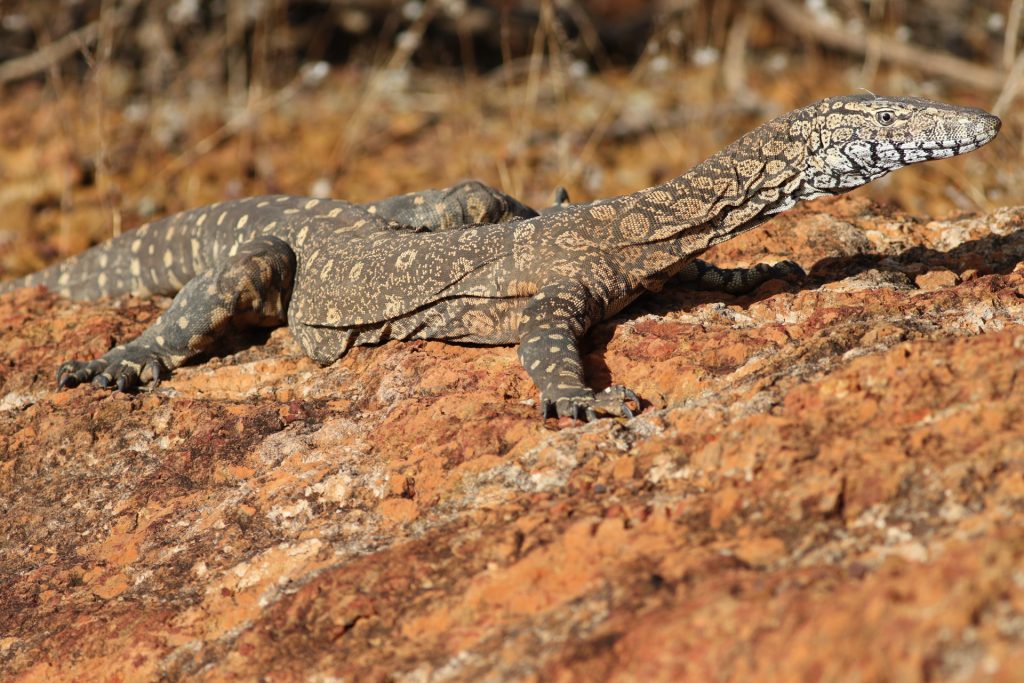
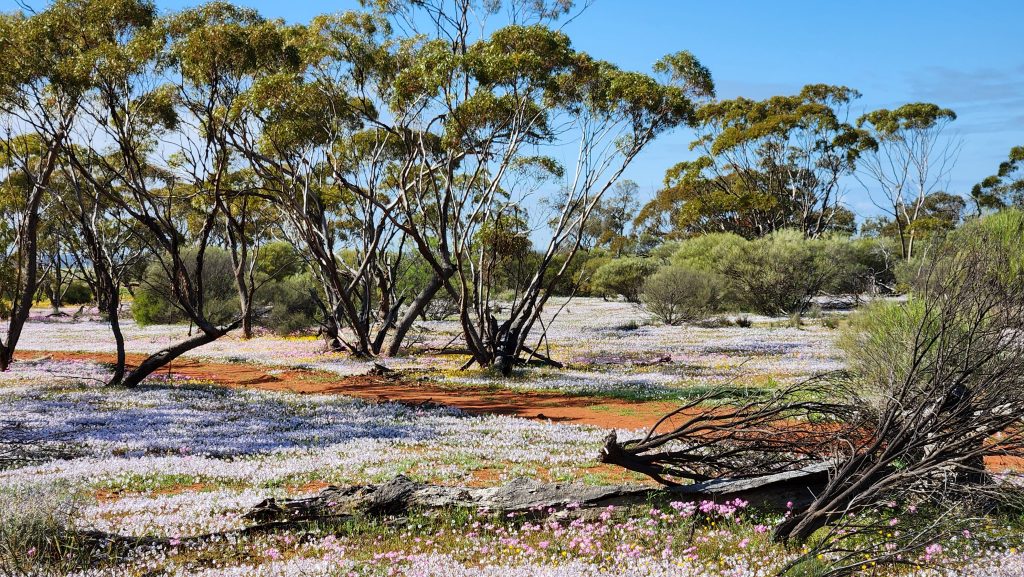
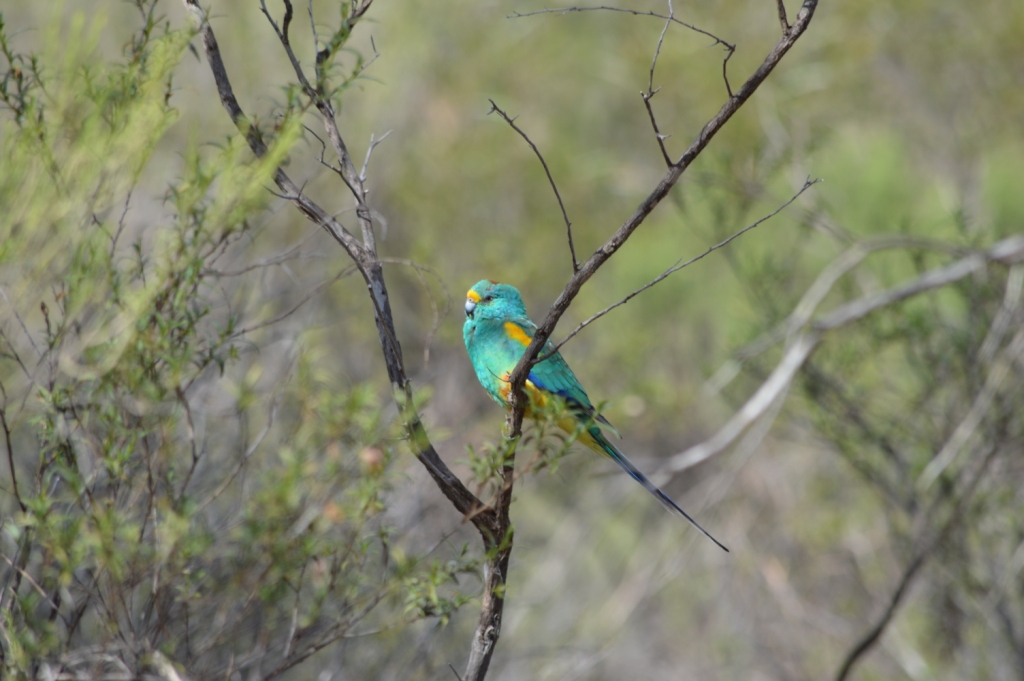
Located within the Koolanooka Vegetation Complex in WA’s northern Wheatbelt, Perenjori Hills protects more than 1,000 hectares of remnant bushland that is recognised as a threatened ecological community under both state and federal law. It sits within one of the world’s recognised global biodiversity hotspots, supporting rare and declining plant communities and providing habitat for vulnerable species including the Malleefowl and the Pink Cockatoo.
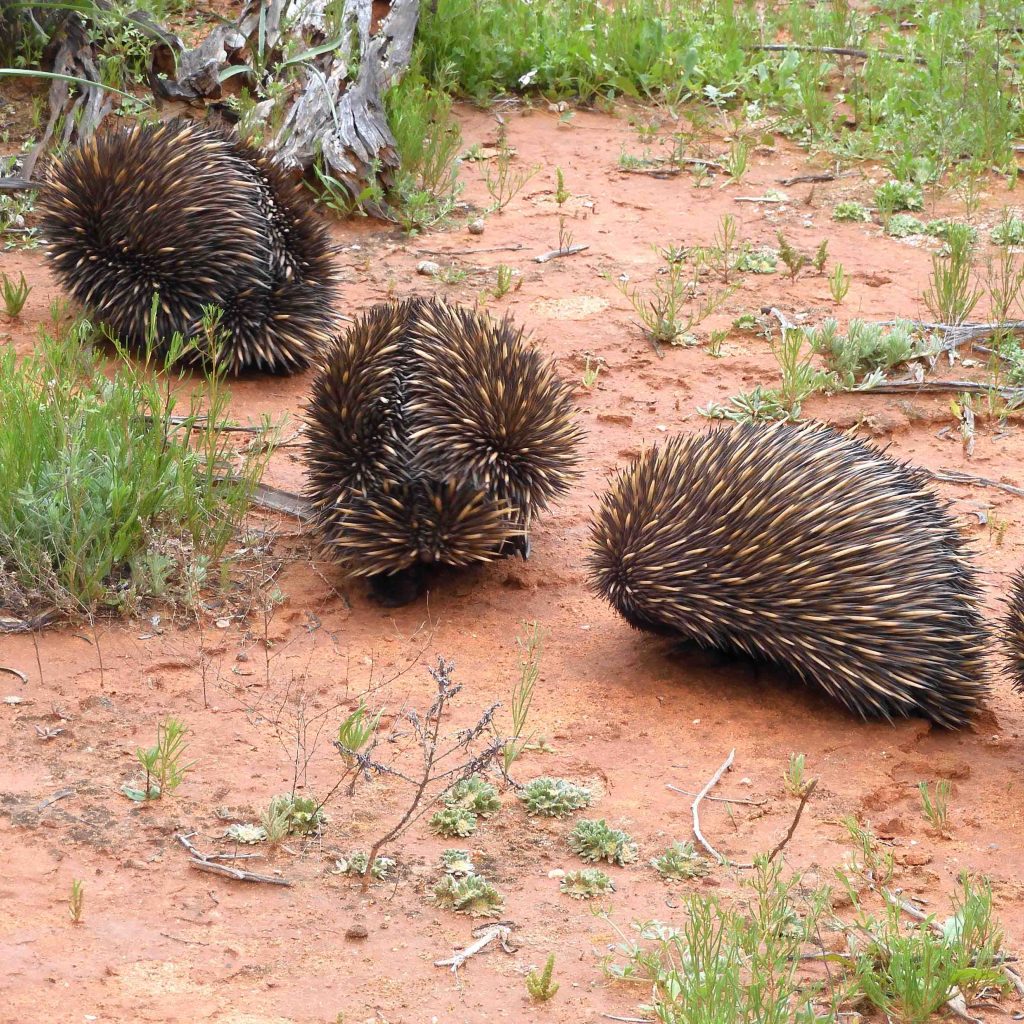
What makes Perenjori Hills different is not just the land itself, but the model underpinning it. Rather than relying solely on public funding or passive protection, the Sanctuary is actively managed through a privately funded stewardship approach.
Carbon Neutral has committed to long-term, on-ground management that addresses the pressures that often drive slow, silent ecosystem collapse:
- control of feral animals (like goats and cats)
- management of invasive weeds and
- protection of ecological processes critical for landscape resilience
The Sanctuary is also part of a broader Nature Credits framework that enables corporate investors to fund measurable, long-term biodiversity protection. In simple terms, it offers a way for businesses to move beyond carbon alone and invest directly in the protection and recovery of ecosystems themselves.
Why does this matter for business?
Firstly, because the concept of environmental responsibility is evolving. Emissions reduction is still critical, but nature loss is now recognised as an equally material risk to economies, supply chains and long-term value.
According to new research from S&P Global Sustainable1, 57% of the world’s largest companies have a significant nature dependency risk across their direct operations. So ecosystem collapse doesn’t just disrupt water systems, agriculture, infrastructure, insurance markets and community stability – it disrupts the global economy.
But there’s also a reputational angle to consider.
EY’s Nature Action Barometer reveals that while 93% of companies mention nature in disclosures, just 26% align with the Taskforce on Nature related Financial Disclosures (TNFD) framework.
This gap represents a missed opportunity for businesses, especially where their customers are concerned. Today’s consumers expect more and are willing to pay for it; PwC’s 2024 Voice of the Consumer Survey found that 80% say they’re willing to pay more for sustainably produced or sourced goods.
Perenjori Hills offers a rare opportunity to rewind the impact of ecological disruptions and bolster consumer sentiment in a credible, tangible and locally grounded way.
The case for private funding
The Auditor General’s report makes it clear that public agencies face challenges in long-term planning, consistent ecological monitoring, up-to-date recovery plans and the sheer resourcing required to actively manage threatened ecosystems at scale.
The conclusion?
Legal protection alone is not enough.
Without funding for ongoing stewardship, many ecological communities will continue to decline despite their protected status.
Who really carries the future of ecosystem preservation?
The Wentworth Group’s Blueprint to Repair Australia’s Landscapes estimates that Australia needs at least $7 billion per year for 30 years to repair landscapes and meet its conservation goals, a scale far beyond current public funding. This highlights the need for additional investment sources, including private capital, to achieve long‑term outcomes.
Private conservation is not about replacing government policy. It’s about reinforcing the system at precisely the point where it is under the most pressure. For corporate investors, this is not philanthropy in the traditional sense. It’s strategic, risk-aware capital deployment into assets that underpin environmental stability, social licence and long-term economic resilience.
Investing in the protection of landscapes like Perenjori Hills is, in many respects, an investment in the foundations that future markets depend on.
The next phase of conservation
For private conservation to retain its integrity, governance must be rigorous, outcomes must be independently measured and commitments must extend well beyond short funding cycles. Conservation is generational work and credibility will rest on transparency, accountability and ecological results, not branding.
But the path forward is clear. The gap between what legislation promises and what on-ground conservation can deliver is widening. At the same time, the private sector has both the capacity and, increasingly, the expectation to play a deeper role in safeguarding nature.
To Perenjori Hills and beyond
Perenjori Hills Sanctuary exists at that intersection. It is both a refuge for threatened ecosystems today and a signal of how conservation funding may evolve tomorrow. For companies thinking seriously about their environmental legacy, it offers participation in the protection of a living landscape at a moment when that protection is critically needed.
Perhaps most importantly, the Sanctuary is not positioned as a one-off. It’s a template that could be replicated across other high-value ecological landscapes in WA and beyond. And that is where its broader significance lies; it points to a future in which private conservation is not niche but normalised as part of how Australia protects its natural capital.
To register your interest in the Perenjori Hills Sanctuary, contact us.
Perenjori Hills Sanctuary
Located in the heart of the Yarra Yarra Biodiversity Corridor, the Perenjori Hills Sanctuary supports rare and threatened species, ancient plant communities, and delicate ecosystems increasingly impacted by habitat loss, invasive species and climate stress. As part of Australia’s largest carbon-based reforestation initiative, its conservation is guided by Carbon Neutral’s Citizen Science program—bringing people closer to nature through hands-on ecological exploration and monitoring.
Explore stories in the world of sustainability, carbon and climate change.
 The Future of Co-Benefit Valuation in Carbon Markets
For years carbon markets have focused on one neat little metric: a tonne of CO₂ removed or avoided. It helped the industry get off the ground, but it also flattened the story. …
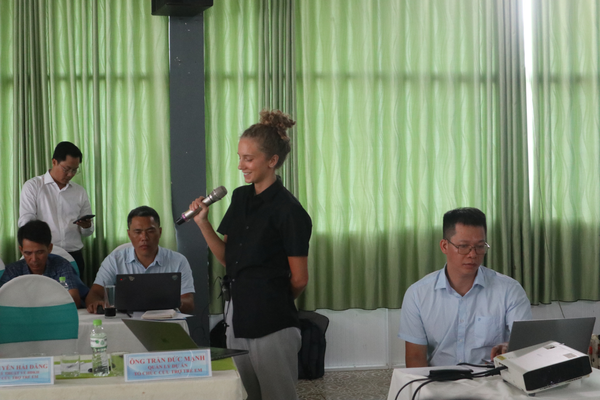 Driving Mangrove Restoration in Vietnam’s Cà Mau
Reflections on a recent trip by Carbon Neutral’s Tali Rogers Stepping off the plane in August, I was first greeted by the energy of Ho Chi Minh City. After a…
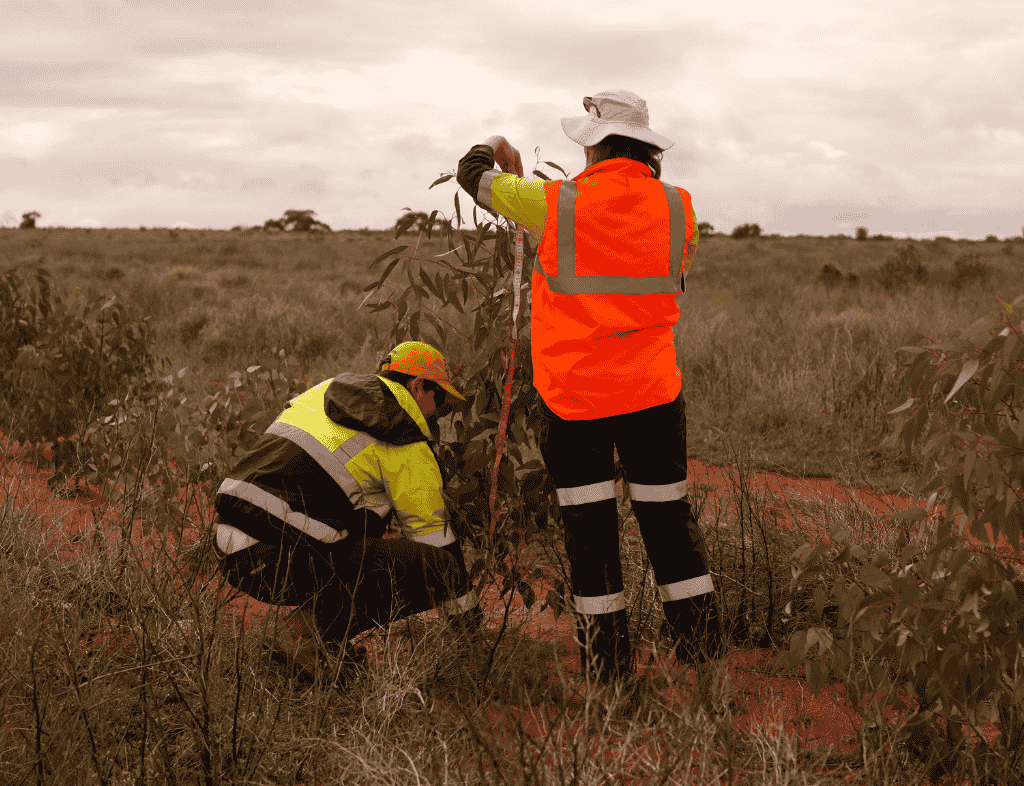 Why Audit-Ready Carbon Projects Protect Compliance and Reputation
The climate landscape in Australia is shifting rapidly. As the safeguard mechanism evolves and emissions compliance becomes more stringent, major emitters – mining giants, energy producers and global manufacturers –…
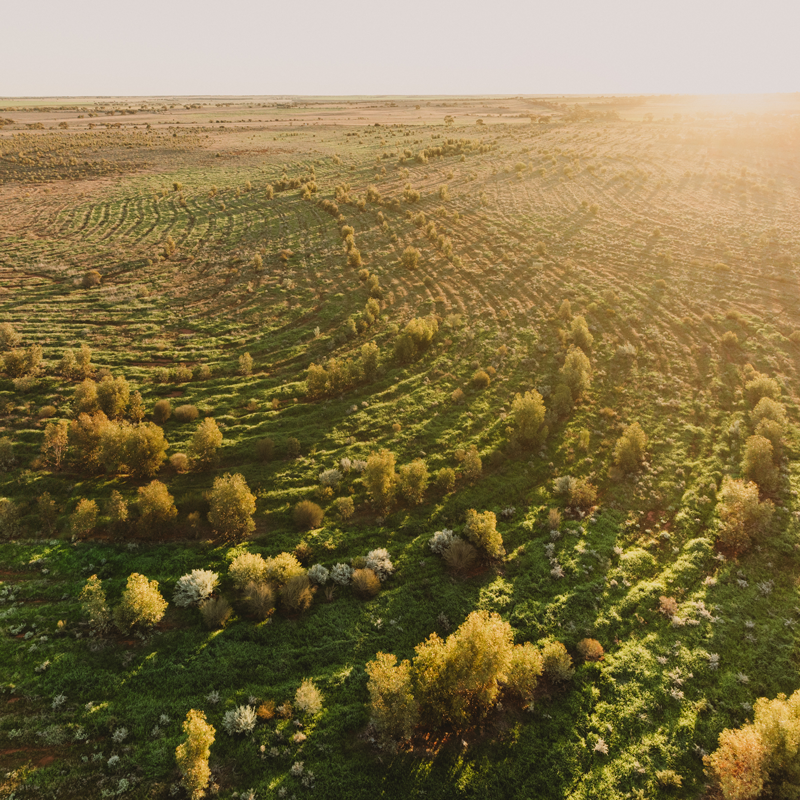 Nature-Based Solutions: The Smartest Investment for Corporate Climate Action
As global markets accelerate toward net-zero targets and nature-positive outcomes, investors are seeking solutions that deliver measurable climate impact while protecting biodiversity and strengthening communities. Nature-based solutions (NbS) — including…
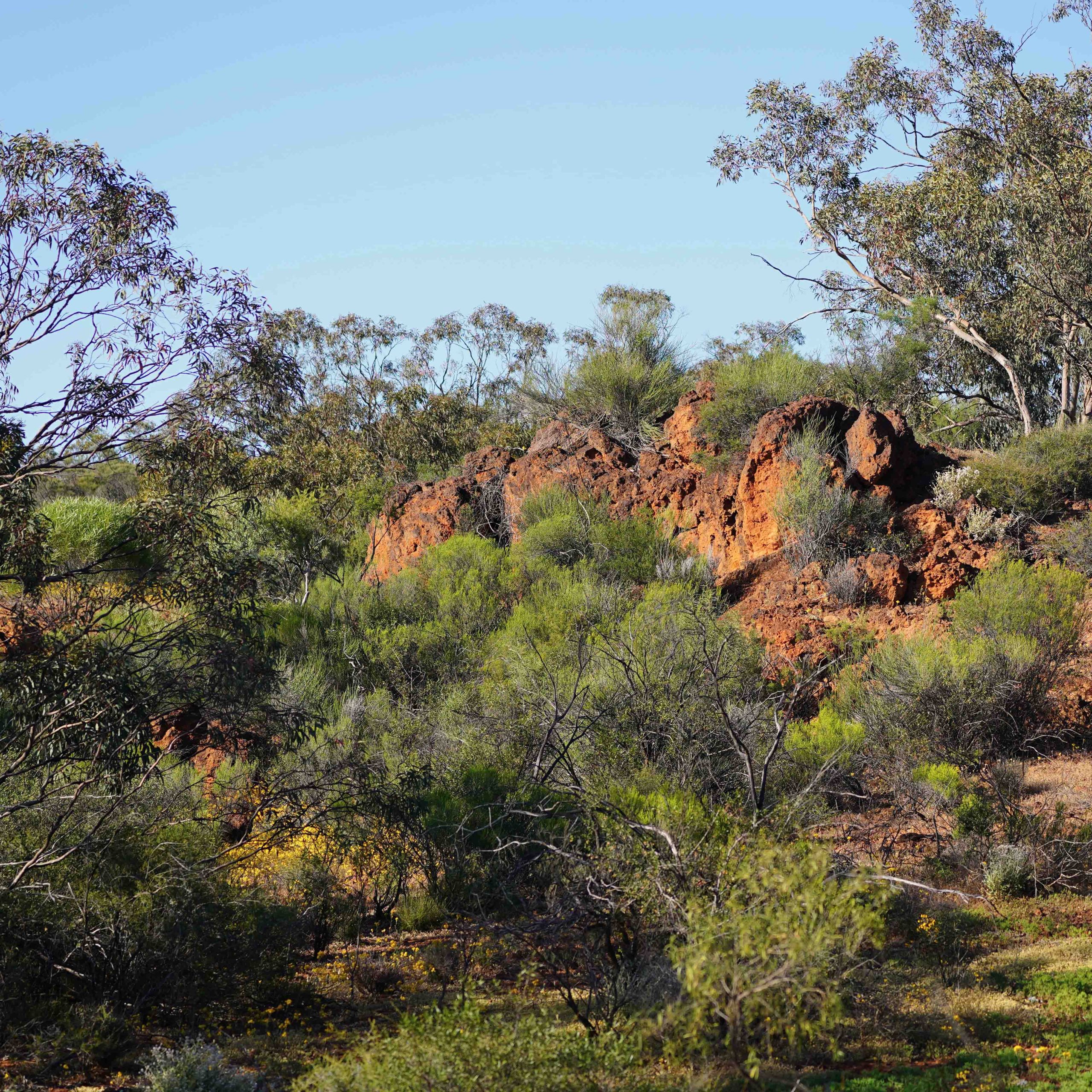 Private Conservation Takes Lead as State Unable to Protect Endangered Ecosystems
Carbon Neutral launches Perenjori Hills Sanctuary to safeguard critical bushland as Auditor General flags major government shortfalls.
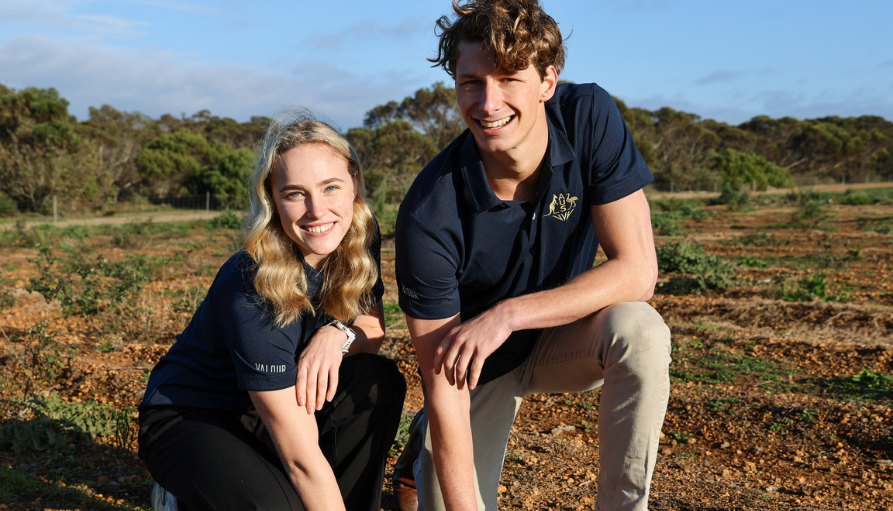 Carbon Neutral Partners with Commonwealth Games Australia to Launch Legacy Leaves.
Carbon Neutral and Commonwealth Games Australia launch Legacy Leaves — the first ever alumni recognition program of the Commonwealth Games. Planting native trees for every athlete appearance since 1930. The project supports large-scale restoration at Wilyun Pools.
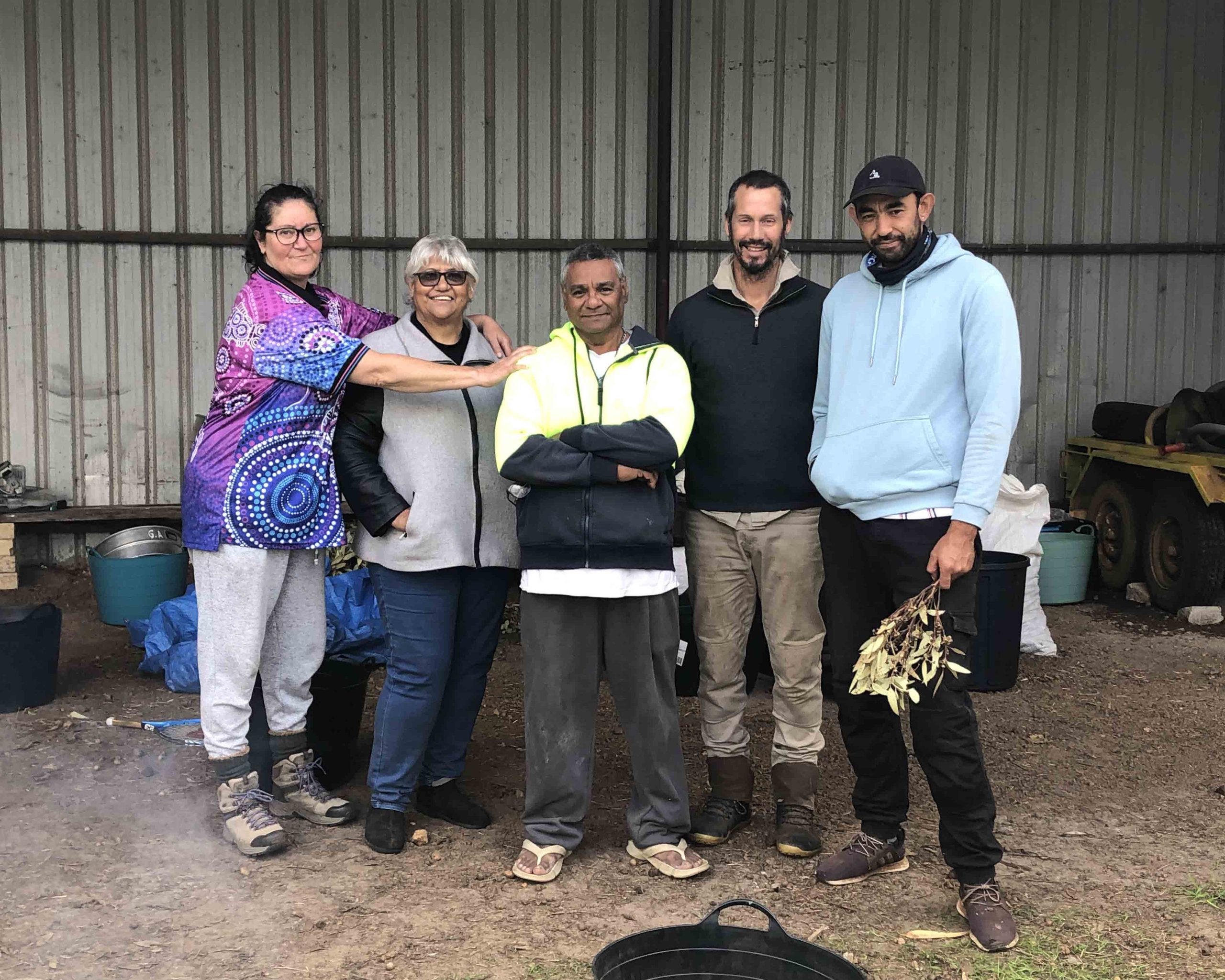 Unlocking Private Climate Finance to Deliver Tangible Benefits for Indigenous Communities
As expectations around climate change continue to rise, Australia’s carbon offset market is quietly emerging as one of the most effective mechanisms for financing environmental and social restoration. For businesses…
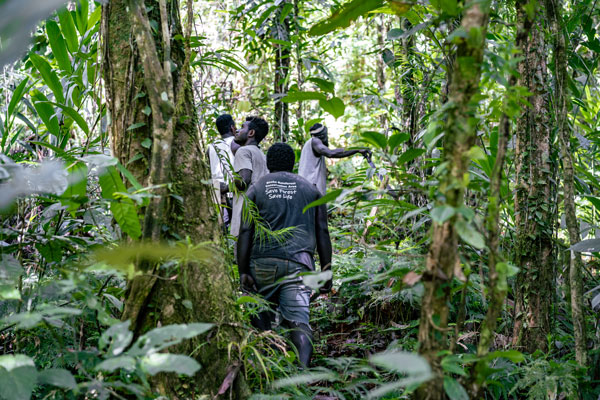 Partnering with Plan Vivo to combine Climate Commitments with Community Impact
At Carbon Neutral, we recognise that carbon credits can, and should, do more than just transactional offsetting. Since its inception, the carbon credit market has rightly come under scrutiny, with…