
The Future of Co-Benefit Valuation in Carbon Markets
Carbon Neutral
DateFebruary 2026

For years carbon markets have focused on one neat little metric: a tonne of CO₂ removed or avoided. It helped the industry get off the ground, but it also flattened the story.
The thing about carbon is that it doesn’t move through a landscape on its own. Every tonne stored reflects what’s happening in the soil beneath it, the condition of the surrounding ecosystem and the people who live and work on that land. As expectations change in Australia and overseas, this wider lens is starting to influence what the market truly values.
Enter co-benefits – the environmental, socioeconomic and cultural outcomes that sit alongside carbon capture and that used to be considered pleasant footnotes. Now, they’re becoming a defining signal of integrity.
So, what exactly are co-benefits?
Environmental
When we talk about environmental co-benefits, we’re talking about the ripple effects that sit beyond carbon storage alone. Well-designed nature-based projects can:
- restore degraded landscapes
- rebuild soil health
- stabilise water cycles
- create habitat connectivity for native species.
These outcomes strengthen ecosystem resilience to fire, drought and climate extremes while actively reversing biodiversity loss. In this way, carbon becomes not just a climate tool but a catalyst for broader ecological recovery.
Socioeconomic
These co-benefits are grounded in people and livelihoods. Many nature-based carbon projects create long-term regional jobs in planting, land management, monitoring and ecological services, supporting communities that are often vulnerable to economic volatility. Beyond employment, flow-on benefits include:
- improved farm productivity
- diversified income streams for landholders
- increased investment in rural infrastructure and skills.
This helps anchor climate action in real economic stability rather than abstract future gains.

Cultural
Cultural co-benefits recognise that landscapes hold meaning far deeper than their carbon capacity. For many Indigenous communities, carbon and biodiversity projects create pathways to care for Country through traditional land management, cultural burning and species protection. These projects can:
- strengthen intergenerational knowledge transfer
- support cultural identity and custodianship
- embed Indigenous leadership into contemporary environmental markets.
In this sense, co-benefits reconnect climate action with the long human story of land stewardship in Australia.
From “that’s nice” to measurable outcomes
One of the biggest steps forward in the carbon project game is the move from feel-good anecdotes to measurable outcomes.
It’s one thing to share a few species sightings or a nice project story with your audience but as the market evolves, buyers want receipts; according to the 2024-2025 Biodiversity Concerns Report, 71% of Australians believe businesses should be required to report their impacts on nature. Thankfully, science has caught up to make that possible.
Learnings from Western Australia’s Wheatbelt
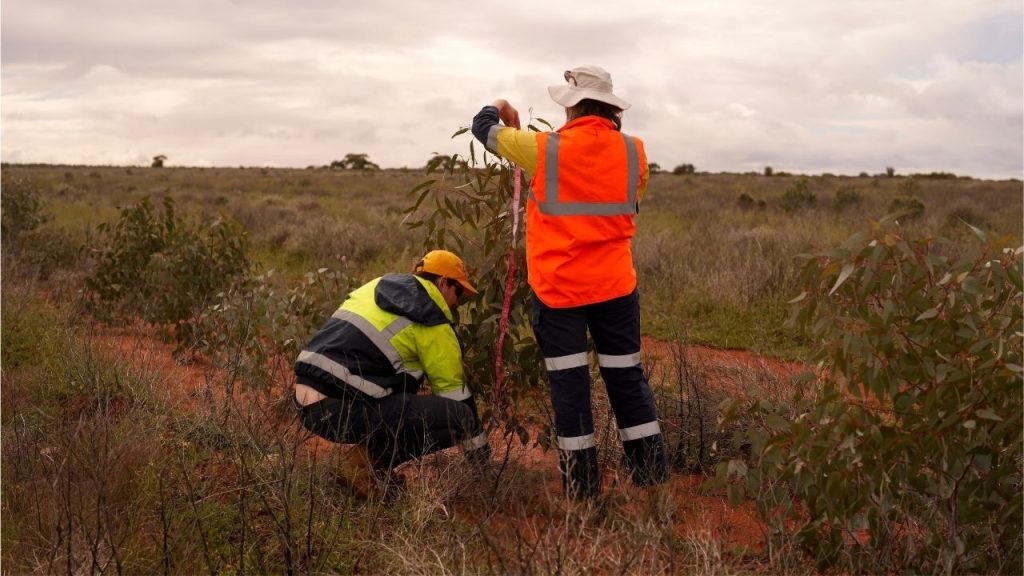
Recent scientific guidelines are now making biodiversity co-benefits measurable, not just descriptive. In Guidelines to identify and quantify biodiversity co-benefits of carbon plantings, Parkhurst and Standish (2026) provide a practical framework for assessing biodiversity outcomes alongside carbon. Their work, grounded in a restoration-focused case study in Western Australia’s Wheatbelt, shows how ecological indicators can generate credible, repeatable evidence that aligns with reporting and investment needs.
Key insights from their WA case study include:
- In heavily farmed and fragmented landscapes, ideal reference ecosystems are rare, so projects rely on realistic “best available” benchmarks.
- Soil condition was one of the clearest indicators of ecological improvement between planted sites and reference areas.
- Native plant diversity and lower weed cover provided a strong signal of vegetation recovery.
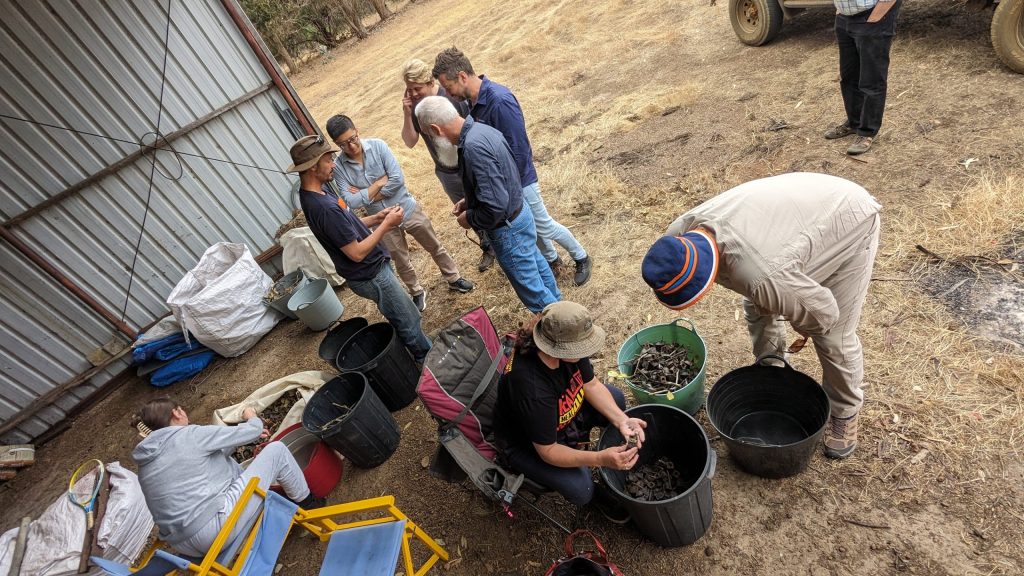
- Ant functional diversity offered the most informative measure of improved habitat quality for fauna, though it was also the most time-intensive and logistically demanding to monitor.
Together, these findings demonstrate that with carefully selected metrics, biodiversity outcomes can move from anecdote to audited evidence, reinforcing investor confidence and providing measurable value alongside carbon sequestration.
The price is right
As evidence of co-benefits grows, stronger pricing grows with it. Demand for high-integrity voluntary carbon credits has already created a clear premium and co-benefits are becoming reliable price multipliers. Further, initiatives like Core Carbon Principles (CCP) developed by the Integrity Council for the Voluntary Carbon Market (ICVCM) are helping identify and approve higher‑integrity projects.
The figures are corroborating this rise in value. 2025 data from analysis firms Calyx Global and ClearBlue Markets shows that high-integrity Tier 1 carbon credits (that typically include stronger environmental/social co-benefits) are now sold at an average 65% price premium compared to Tier 3 credits.
The growing Nature Repair Market
Policy is also catching up with this momentum. Emerging mechanisms – like Australia’s Nature Repair Market scheme – are drawing formal connections between carbon and biodiversity. These developments point toward a future where environmental markets begin to converge and where a single project can generate multiple streams of verified value.
It’s something that Carbon Neutral has known for quite some time (over 20 years, in fact). We approach all projects with a “what else?” mentality; that is to say, what else does the project offer (beyond carbon sequestration) towards landscape restoration, biodiversity preservation and the co-benefits set out in the United Nations Sustainable Development Goals to create a more complete picture of restoration. As frameworks mature and carbon projects become more multifaceted, investor confidence will continue to rise.
Integrity is the new minimum
Stakeholders want climate claims grounded in evidence – not just ambition – and large organisations are taking note, adopting integrity-first approaches that prioritise emissions reduction, validated co-benefits and transparent reporting over claiming carbon neutrality.
Meta: a corporate example
In 2024, Meta signed a long‑term agreement for 1.3 million nature‑based carbon removal credits, with options to purchase an additional 2.6 million credits through 2038. This forms part of its Latin America reforestation program, aimed at reducing emissions while generating co‑benefits for biodiversity and local communities.
It seems others are starting to follow this integrity-first approach. A 2025 report from SE Advisory Services showed that two‑thirds of companies now use recognised carbon standards and 55 % apply the Core Carbon Principles to assess project quality.
Evidence‑based integrity is increasingly shaping corporate climate action and when organisations invest in projects with clear co-benefits, they reduce risk, strengthen trust and demonstrate climate action that stands up to future standards.
Where the carbon market is heading
All things considered, the direction is unmistakable: carbon markets are evolving into ecological markets and co-benefits are moving from the sidelines to the centre of value. Organisations that understand this now – and invest in projects with measurable biodiversity and landscape outcomes – will be well ahead as expectations continue to rise.
If you’re interested in co-benefits, explore our projects.
Explore stories in the world of sustainability, carbon and climate change.
 The Quiet Shift Reshaping How Australia Protects Nature
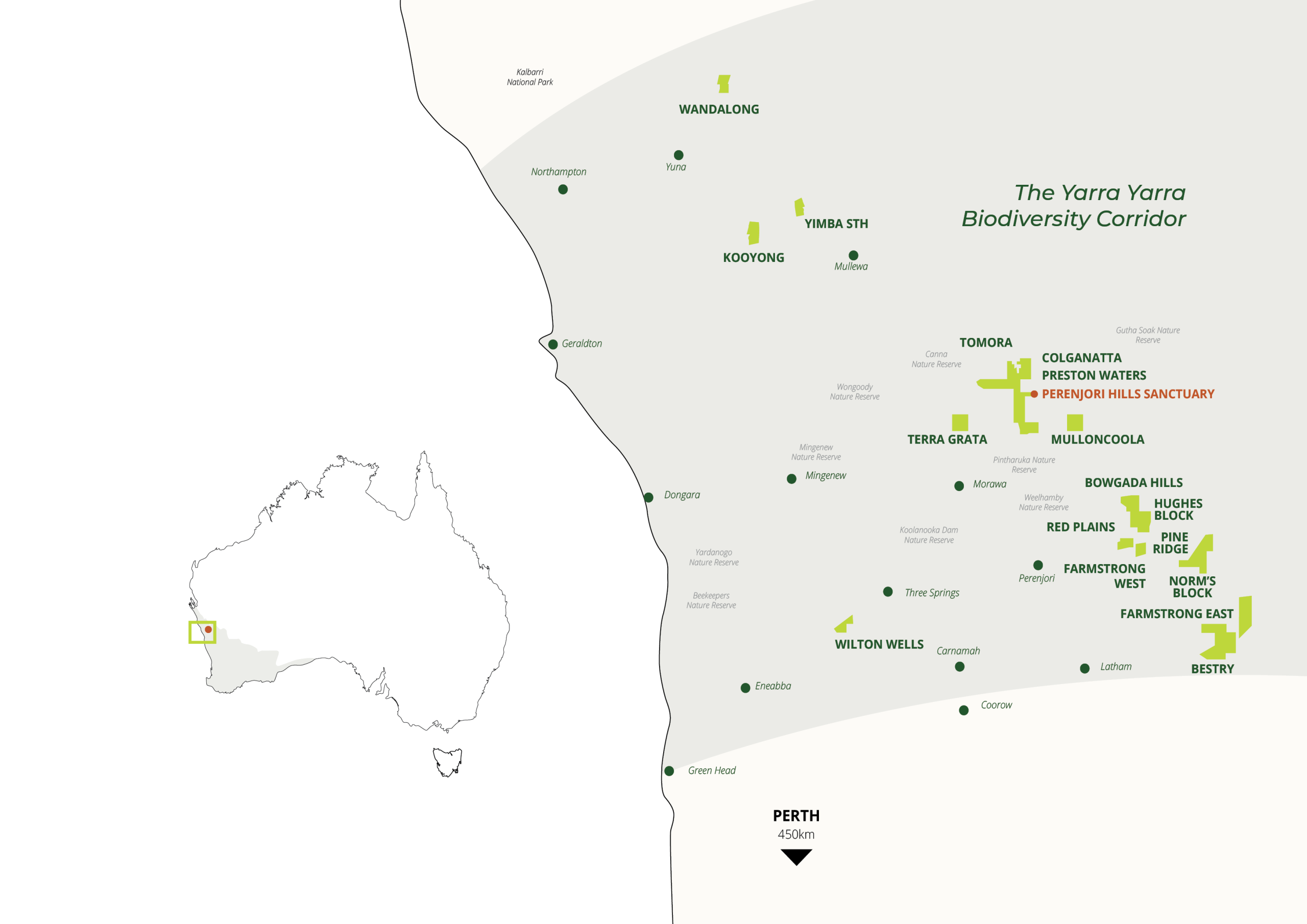
When Carbon Neutral launched the Perenjori Hills Sanctuary last year, the timing coincided with the release of the WA Auditor General’s overview, a report that assessed if the Department of Biodiversity, Conservation and Attractions…
 Driving Mangrove Restoration in Vietnam’s Cà Mau
Reflections on a recent trip by Carbon Neutral’s Tali Rogers Stepping off the plane in August, I was first greeted by the energy of Ho Chi Minh City. After a…
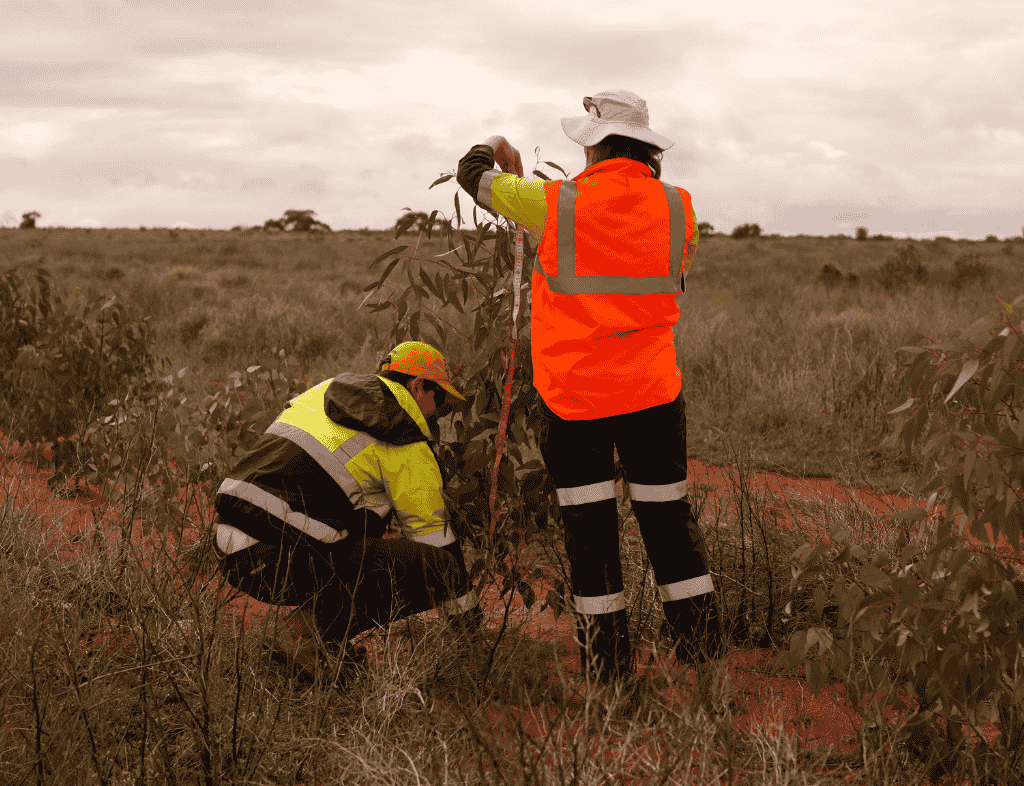 Why Audit-Ready Carbon Projects Protect Compliance and Reputation
The climate landscape in Australia is shifting rapidly. As the safeguard mechanism evolves and emissions compliance becomes more stringent, major emitters – mining giants, energy producers and global manufacturers –…
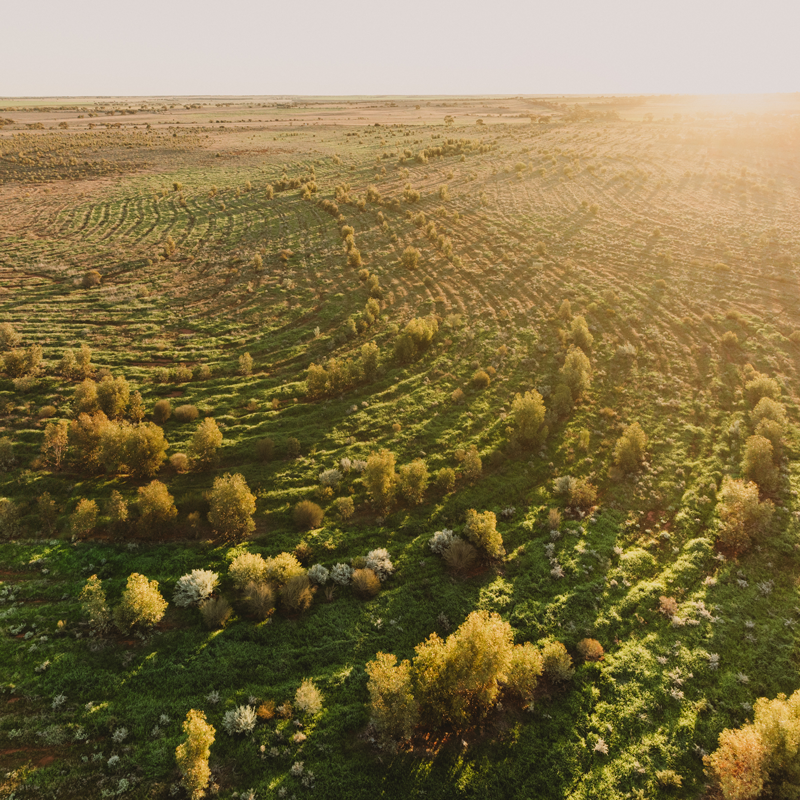 Nature-Based Solutions: The Smartest Investment for Corporate Climate Action
As global markets accelerate toward net-zero targets and nature-positive outcomes, investors are seeking solutions that deliver measurable climate impact while protecting biodiversity and strengthening communities. Nature-based solutions (NbS) — including…
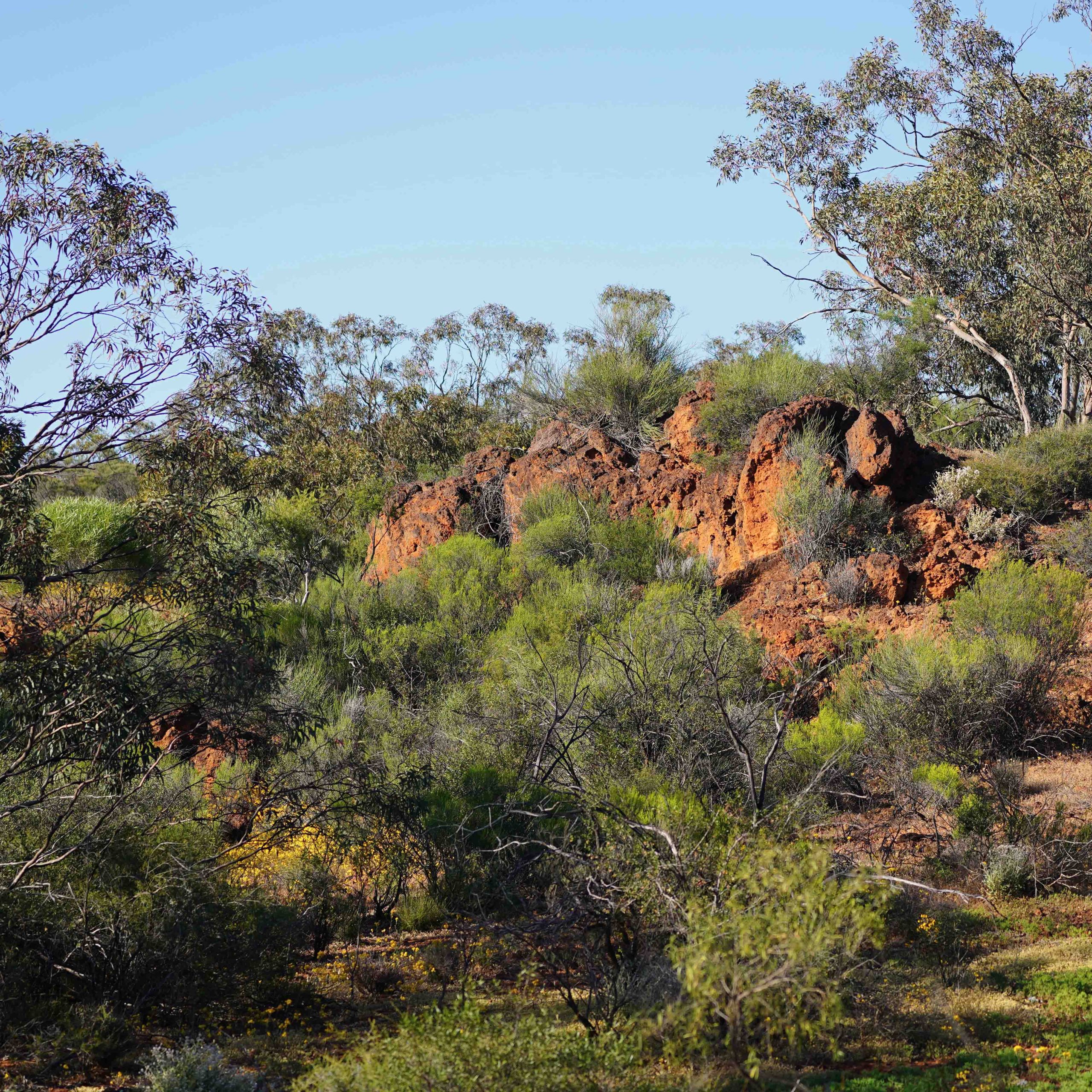 Private Conservation Takes Lead as State Unable to Protect Endangered Ecosystems
Carbon Neutral launches Perenjori Hills Sanctuary to safeguard critical bushland as Auditor General flags major government shortfalls.
 Carbon Neutral Partners with Commonwealth Games Australia to Launch Legacy Leaves.
Carbon Neutral and Commonwealth Games Australia launch Legacy Leaves — the first ever alumni recognition program of the Commonwealth Games. Planting native trees for every athlete appearance since 1930. The project supports large-scale restoration at Wilyun Pools.
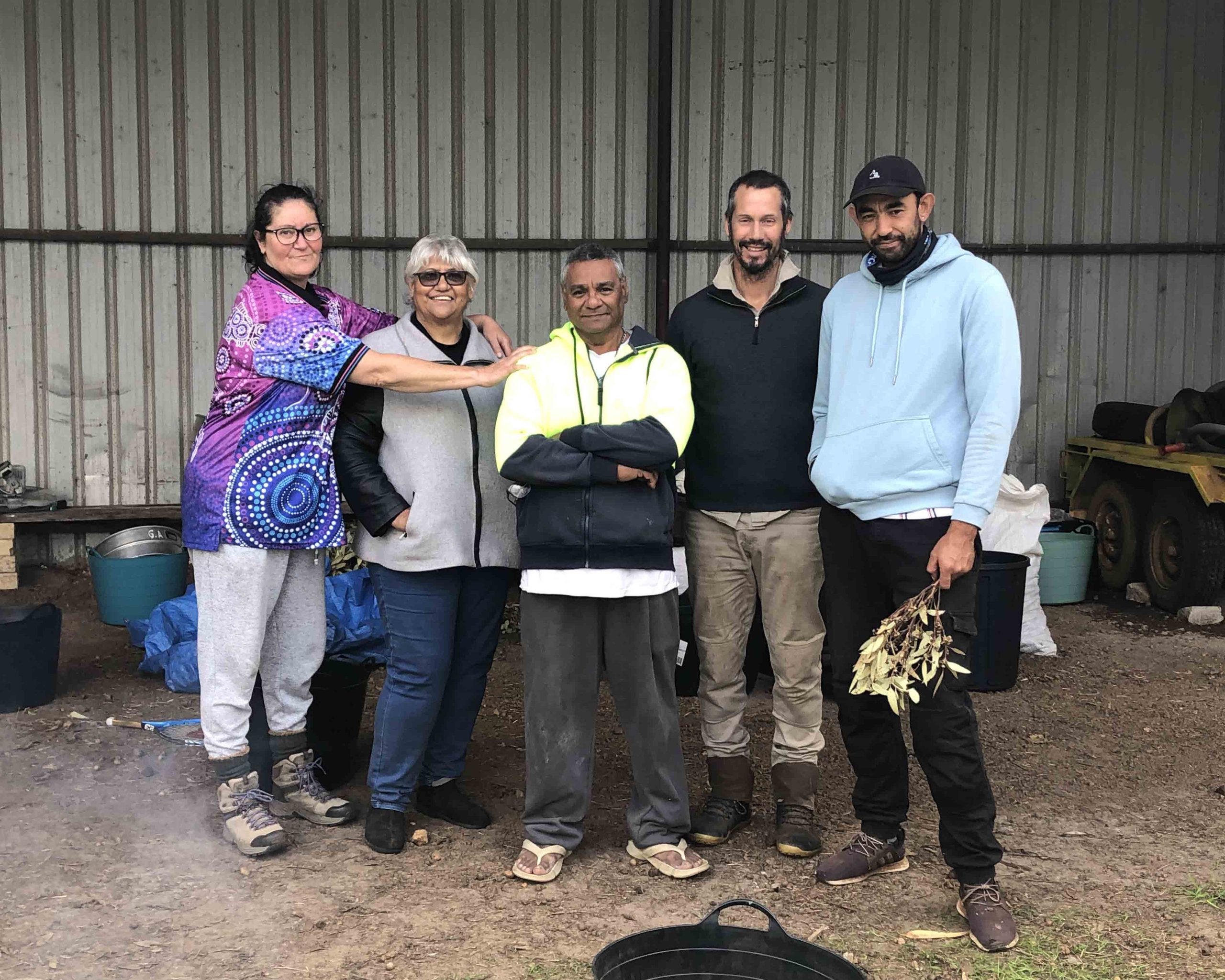 Unlocking Private Climate Finance to Deliver Tangible Benefits for Indigenous Communities
As expectations around climate change continue to rise, Australia’s carbon offset market is quietly emerging as one of the most effective mechanisms for financing environmental and social restoration. For businesses…
 Partnering with Plan Vivo to combine Climate Commitments with Community Impact
At Carbon Neutral, we recognise that carbon credits can, and should, do more than just transactional offsetting. Since its inception, the carbon credit market has rightly come under scrutiny, with…