
Rethinking Australia’s Natural Wealth Through Carbon
Carbon Neutral
DateApril 2026
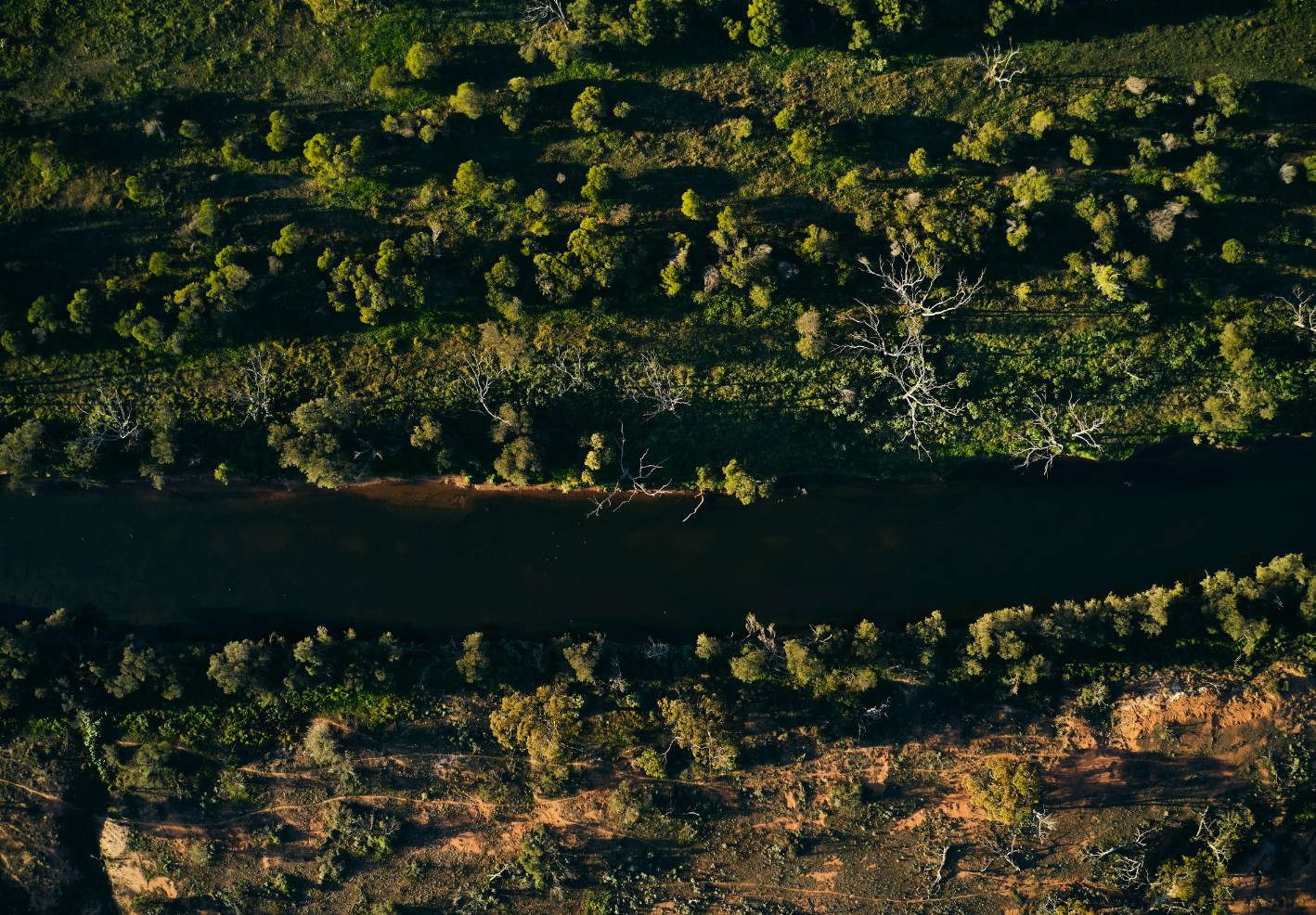
Australia is a land of plenty. “Our land abounds in nature’s gifts of beauty, rich and rare,” as the national anthem tells us.
But as a nation, we’ve struggled to properly value those gifts, let alone keep that value in the country for the benefit of the country. The recent discourse surrounding our gas exports is a glaring example.
This same pattern has played out across land use, where ecological function has been traded for short-term productivity. As a result, Australia now has more degraded land than thriving landscapes; Flinders University estimates that Australia has lost nearly 40% of its forests since being settled.
So, how did this happen?
A legacy of landscape change and undervaluation
Following colonisation in 1788, Australia’s landscapes were rapidly transformed as vast areas of native vegetation were cleared for agriculture and grazing. Woodlands, grasslands and forests were converted into simplified production systems, while intensive grazing placed new pressure on already fragile soils.
European land management practices were applied to a continent with very different ecological conditions. Australia’s ancient soils, variable rainfall and fire-adapted ecosystems were poorly suited to these approaches, creating a mismatch that reshaped how the land functioned.
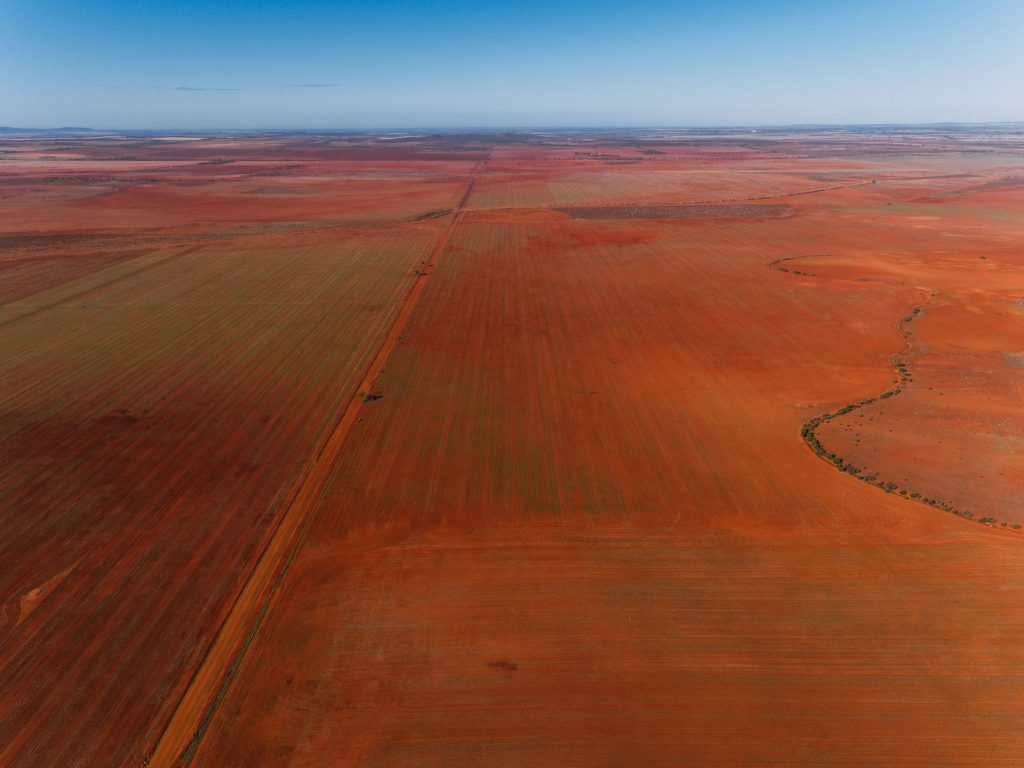
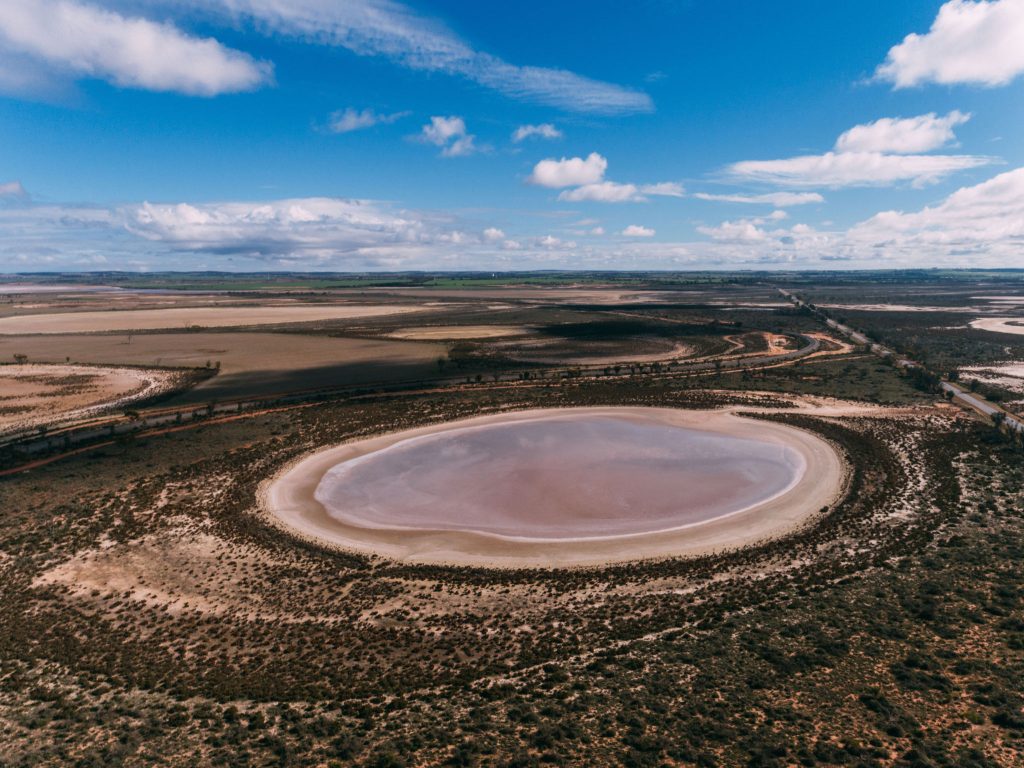
The result is visible across large parts of the country today: declining soil health, rising salinity, reduced biodiversity and land that is harder to manage productively year after year.
What’s left is land that no longer earns what it once did, but that hasn’t been restored either. It sits somewhere in between: degraded, simplified and stuck there.
In times of increasing economic strife and decreasing productivity, Australia – now more than ever – needs to shift how it values its natural assets.
Carbon: from compliance tool to strategic national asset
Carbon has traditionally been treated as a compliance requirement, shaped by the Safeguard Mechanism and, in voluntary markets, by corporate ESG commitments.
But high-quality carbon projects are changing how parts of the economy recognise, price and manage natural assets – not by coincidence, but by design.
When done properly, carbon projects don’t just generate credits. They change what land is worth and how it can be used. They create a reason to restore areas that would otherwise continue to decline, and a way to fund that restoration at scale.
What counts as high integrity in the carbon market?
According to the United Nations Development Programme’s High-Integrity Carbon Markets Toolkit, projects that deliver lasting value tend to share a few characteristics:
- they restore ecological function, not just carbon stocks
- they are designed for permanence, not short-term credit generation
- they integrate social and cultural outcomes from the start
- they are transparent in how outcomes are measured and verified
High-integrity carbon projects deliver measurable environmental and social outcomes, something we discuss in further detail in this article on The Future of Co-Benefit Valuation in Carbon Markets.
In practice, the projects that restore natural capital over time are the ones that treat carbon as one outcome of a broader restoration effort, not the sole objective.
At Carbon Neutral, we believe that biodiversity and ecological outcomes should be integral – not optional – to a carbon project and that Indigenous involvement should be embedded as a core feature.
Indigenous leadership: the foundation of project integrity
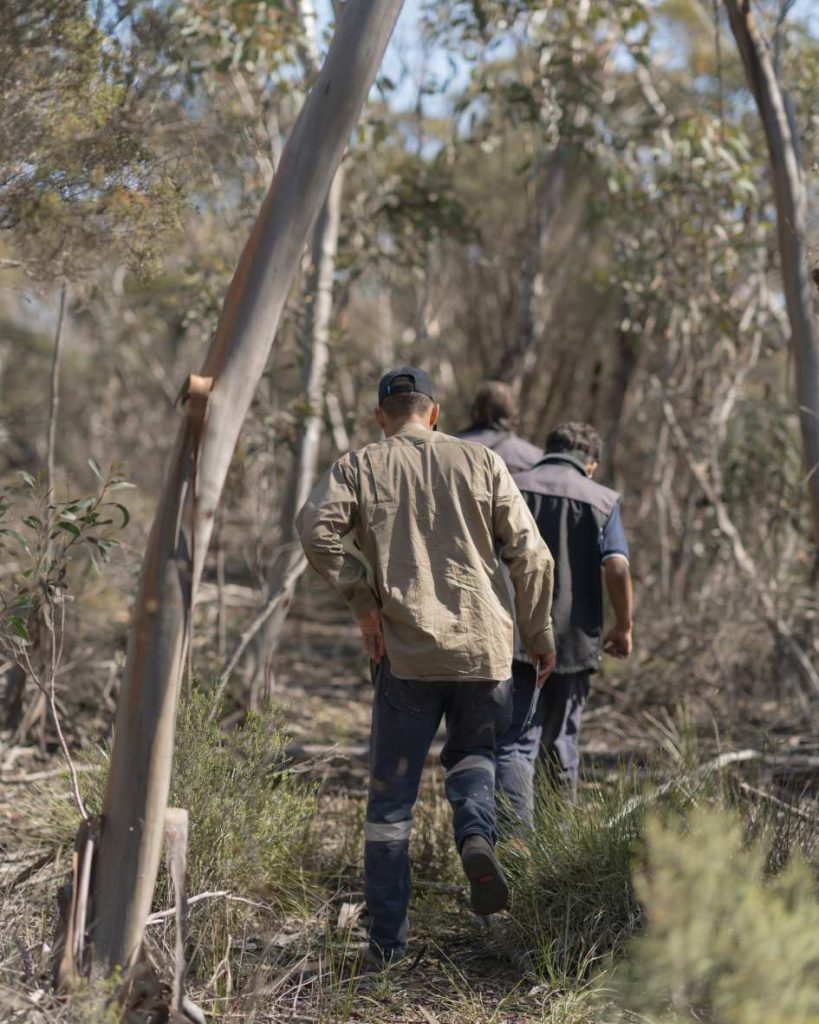
Traditional Owners bring cultural knowledge, long-term land stewardship and a connection to Country that strengthens how projects are designed and delivered.
High-quality carbon projects are most effective when they are developed in genuine partnership with Indigenous communities from the outset, not added in later. This is not just about improving outcomes; it reflects the ongoing role of Traditional Owners in caring for Country and the importance of recognising that connection.
All this to say, Indigenous leadership is central to shaping and governing projects, while cultural knowledge informs land management decisions and creates economic opportunities through employment and local community engagement.
Projects that take this approach tend to be more durable and credible over time, with outcomes that benefit both the land and the people connected to it. Buyers and investors increasingly recognise projects that deliver these demonstrable outcomes, reinforcing trust in the market and generating long-term value for both communities and the broader environment.
A shift in how Australia values its natural capital
Degraded or marginal land is increasingly being recognised as a source of national value through restoration. Investors, corporates and landholders are beginning to see these opportunities as commercially viable.
Corporate investment in Australian nature‑based carbon projects
In their Australia Carbon Credit Market Size, Share, and Trends: Forecast and Growth Analysis Report (2026-2035), Expert Market Research found that Australia’s carbon market was already valued at close to AUD $20 billion in 2025, with forecasts projecting growth of more than 25% annually over the next decade.
This level of expansion is not being driven by policy alone; in their Annual Review of the Australian carbon market for 2025, energy transition research provider RepuTex found that secondary market trading reached almost 41 million ACCUs, with growth driven by increased participation and a 30% rise in transaction numbers. This signifies increasing participation from corporates and institutional investors allocating capital to carbon and natural capital initiatives.
One such initiative is the Sunnyside ACCU Project, a Carbon Neutral project in collaboration with Gondwana Link and Forever Carbon Corridors. Together, we are protecting a globally significant biodiversity hotspot in Southwest Australia, safeguarding 750 hectares of high-value remnant native bushland that houses threatened fauna and supporting long-term ecological and cultural stewardship by the Menang people of the Noongar Nation.
Nature-based ACCU projects like Sunnyside are changing the conversation around Australia’s natural capital, shifting perceptions from extraction to regeneration and management.
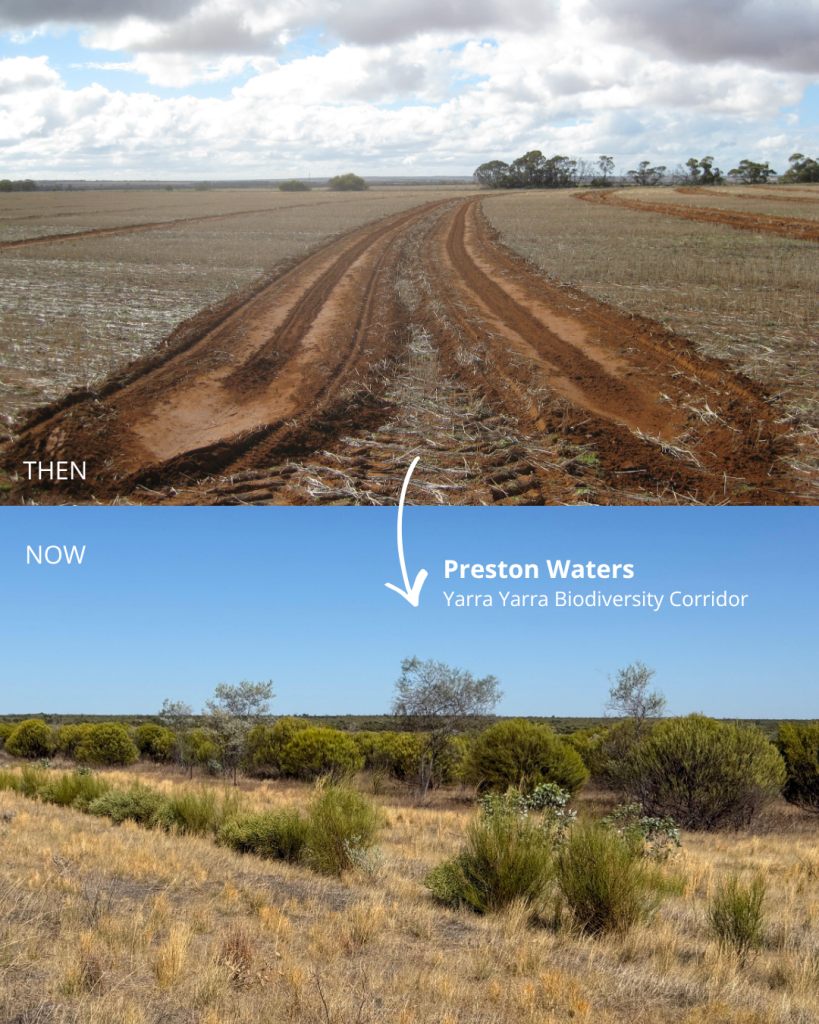
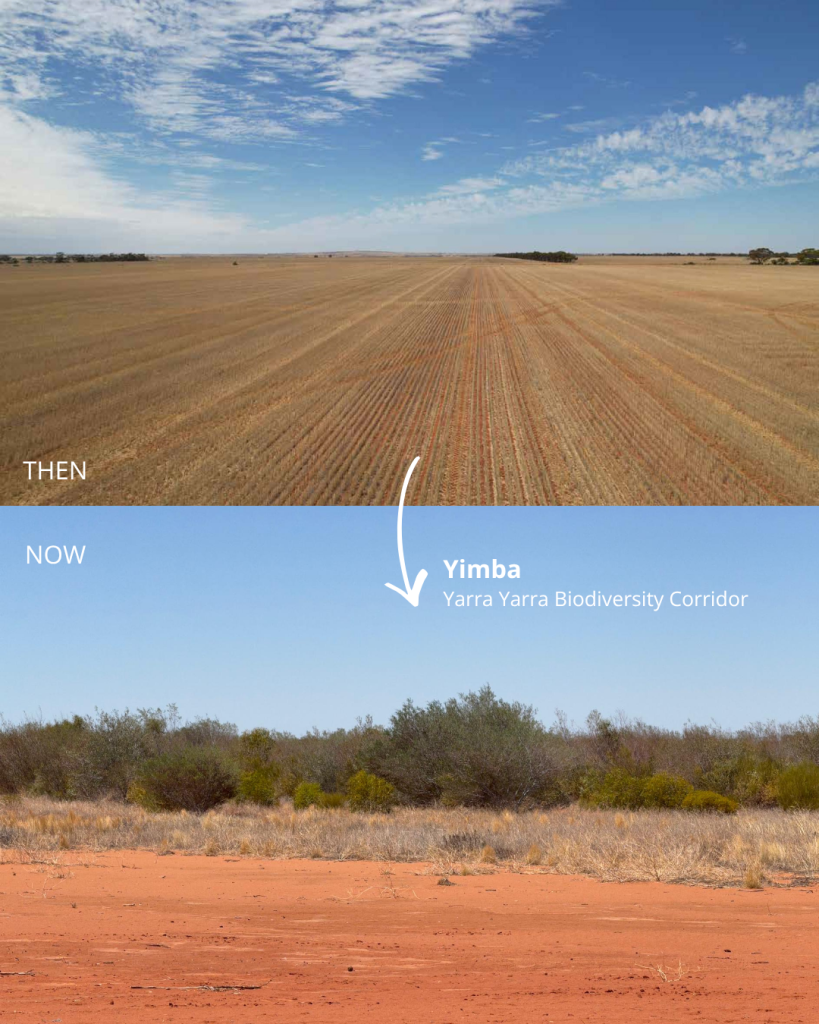
This is not just a project – it’s a blueprint for premium carbon investment. Careful planning, robust standards and deep collaboration transform degraded land into a resilient, high-value asset. Carbon Neutral leads these initiatives from vision to execution, proving that strategic investment in Australia’s natural capital delivers real, measurable and lasting impact.
Capturing the strategic upside
Australia has the potential to become a global leader in high-integrity carbon projects. Such initiatives generate measurable outcomes at home, including regional development, risk reduction and ecosystem strengthening.
Premium projects also enhance Australia’s reputation as a nation committed to responsible land management and ecological restoration, providing a chance to wind back two centuries of unchecked undervaluation and to forge a new path where what’s good for the landscape, the people and the economy is the same thing.
Australian natural capital for the benefit of all Australians
Australia is at a pivotal moment in recognising and valuing its natural assets. Carbon projects provide a mechanism to capture restoration and biodiversity benefits while generating economic value.
High-quality projects align environmental, social, and economic outcomes, creating an opportunity to reset how the nation manages land for long-term strategic advantage. Investing in natural capital today delivers enduring national value – and that’s something we as a country will very much need tomorrow.
Interested in protecting Australian natural capital? Visit Our Projects.
Explore stories in the world of sustainability, carbon and climate change.
 The Quiet Shift Reshaping How Australia Protects Nature
When Carbon Neutral launched the Perenjori Hills Sanctuary last year, the timing coincided with the release of the WA Auditor General’s overview, a report that assessed if the Department of Biodiversity, Conservation and Attractions…
 The Future of Co-Benefit Valuation in Carbon Markets
For years carbon markets have focused on one neat little metric: a tonne of CO₂ removed or avoided. It helped the industry get off the ground, but it also flattened the story. …
 Driving Mangrove Restoration in Vietnam’s Cà Mau
Reflections on a recent trip by Carbon Neutral’s Tali Rogers Stepping off the plane in August, I was first greeted by the energy of Ho Chi Minh City. After a…
 Why Audit-Ready Carbon Projects Protect Compliance and Reputation
The climate landscape in Australia is shifting rapidly. As the safeguard mechanism evolves and emissions compliance becomes more stringent, major emitters – mining giants, energy producers and global manufacturers –…
 Nature-Based Solutions: The Smartest Investment for Corporate Climate Action
As global markets accelerate toward net-zero targets and nature-positive outcomes, investors are seeking solutions that deliver measurable climate impact while protecting biodiversity and strengthening communities. Nature-based solutions (NbS) — including…
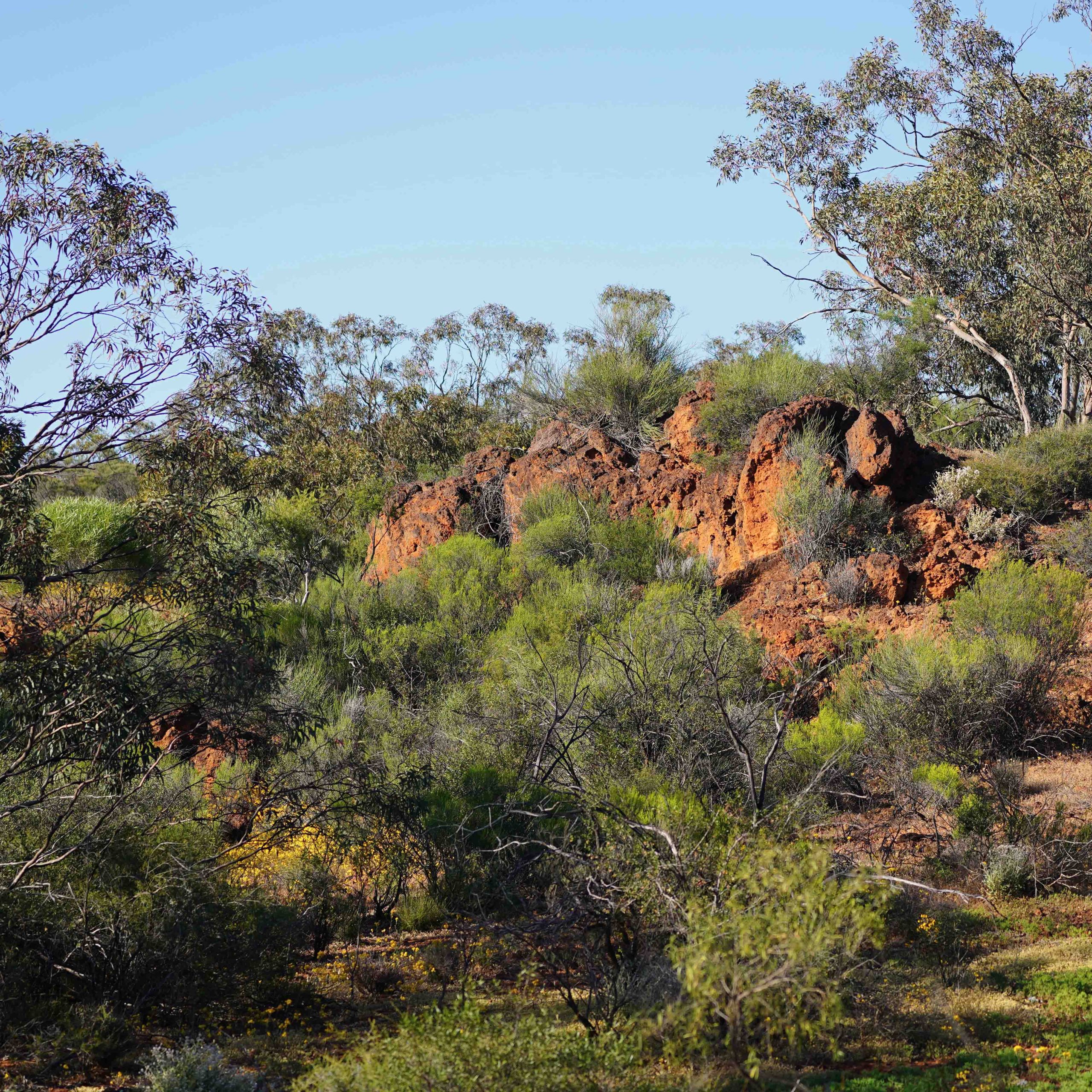 Private Conservation Takes Lead as State Unable to Protect Endangered Ecosystems
Carbon Neutral launches Perenjori Hills Sanctuary to safeguard critical bushland as Auditor General flags major government shortfalls.
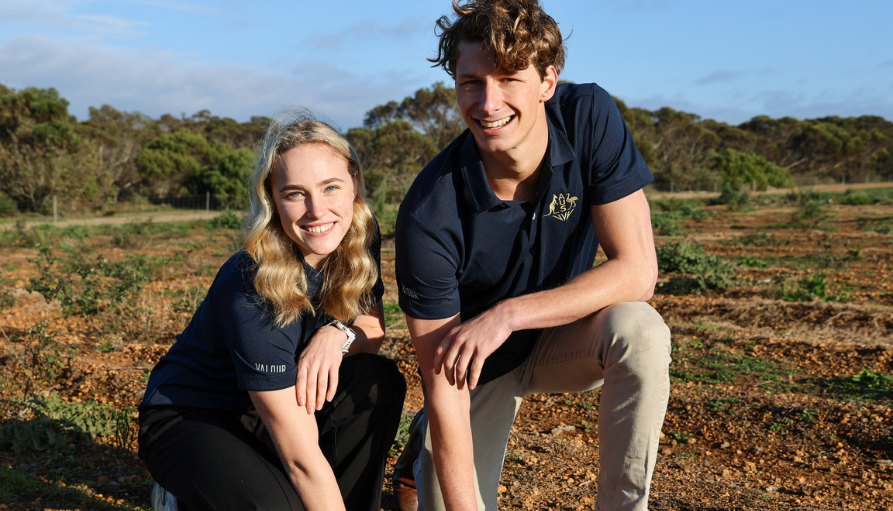 Carbon Neutral Partners with Commonwealth Games Australia to Launch Legacy Leaves.
Carbon Neutral and Commonwealth Games Australia launch Legacy Leaves — the first ever alumni recognition program of the Commonwealth Games. Planting native trees for every athlete appearance since 1930. The project supports large-scale restoration at Wilyun Pools.
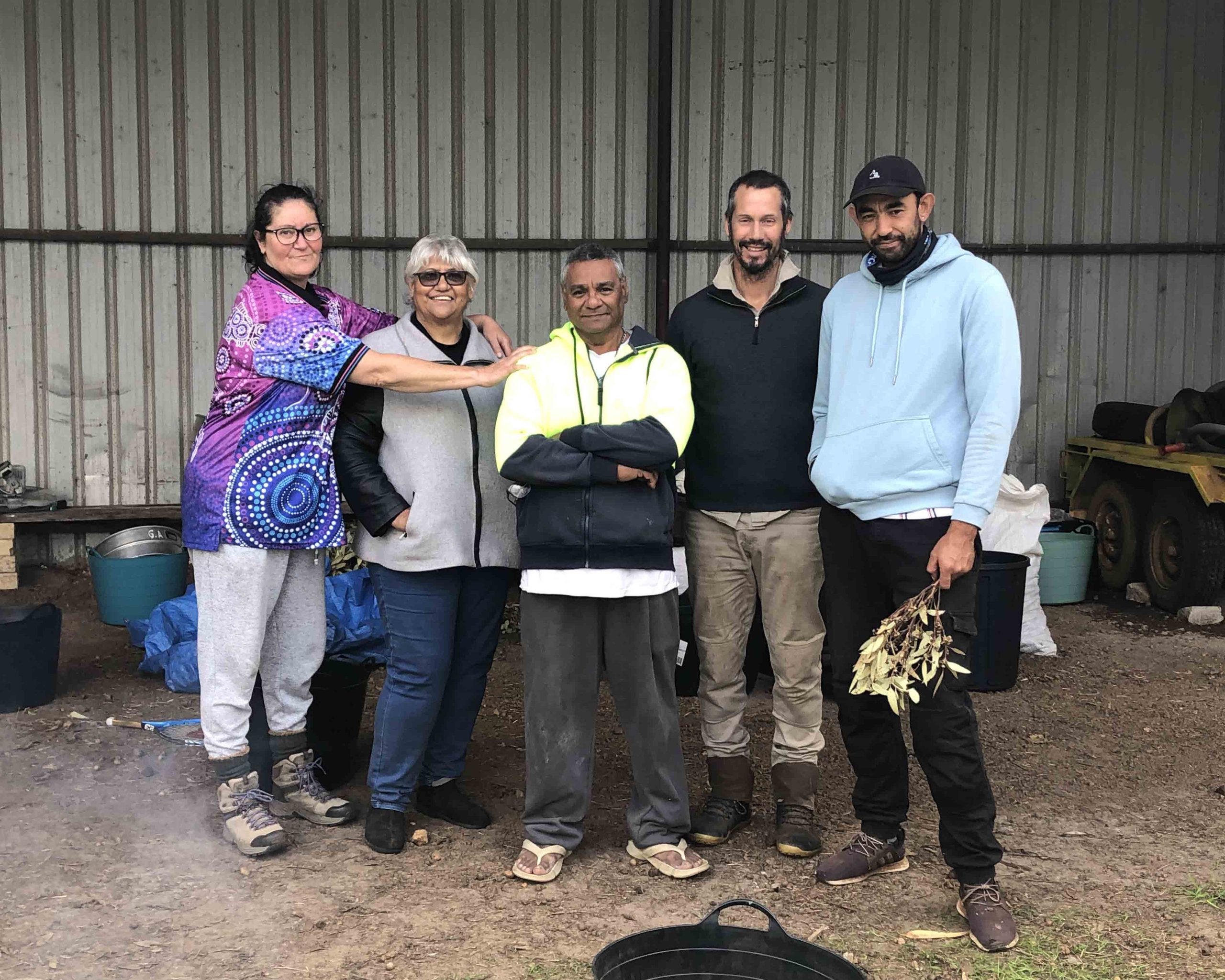 Unlocking Private Climate Finance to Deliver Tangible Benefits for Indigenous Communities
As expectations around climate change continue to rise, Australia’s carbon offset market is quietly emerging as one of the most effective mechanisms for financing environmental and social restoration. For businesses…